Overview
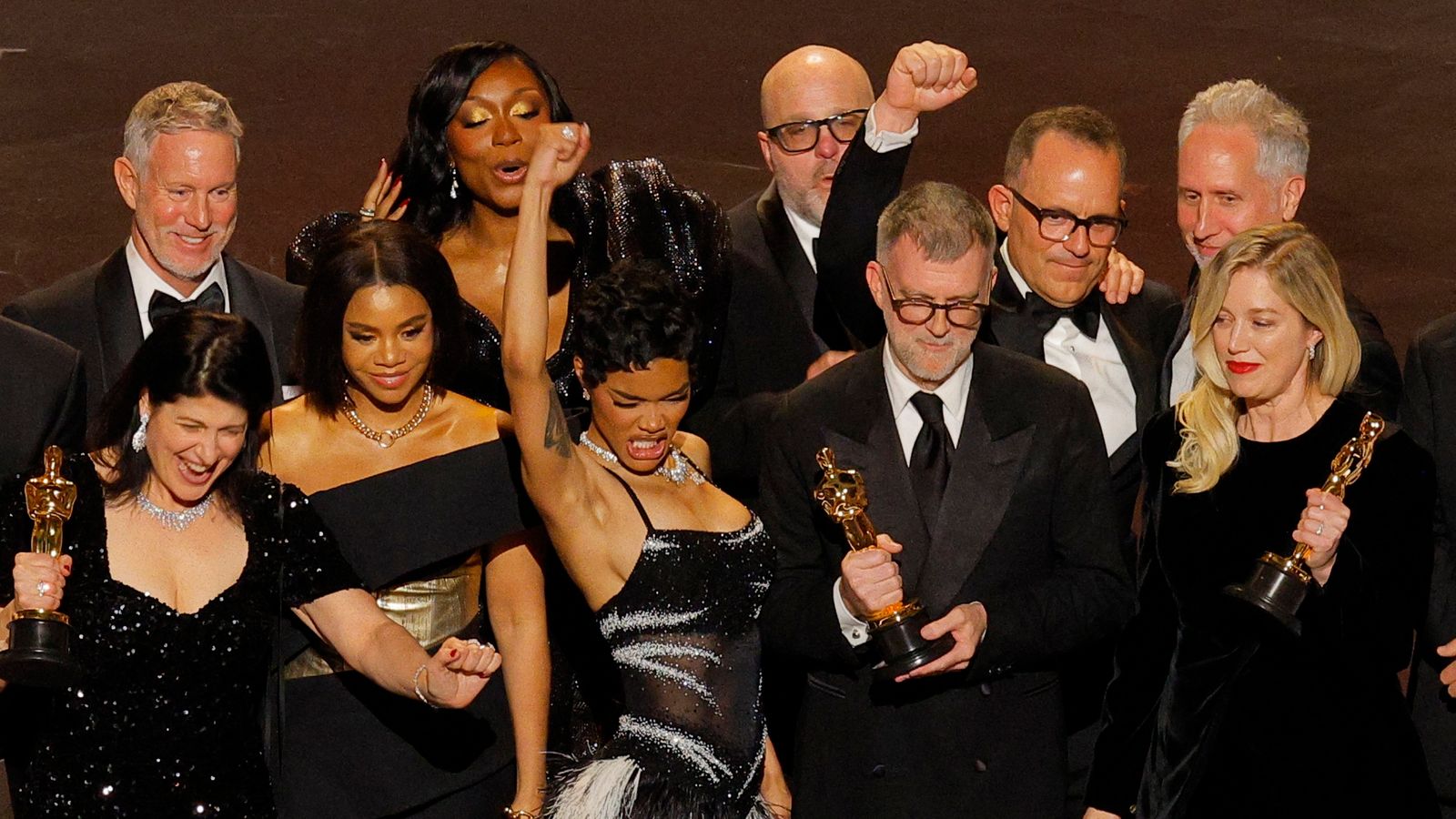
The 2026 Oscars delivered more than cinematic accolades; it surfaced a mosaic of political messages, industry dynamics, and a momentary disruption in ceremony norms. As red carpets and acceptance speeches unfolded, observers noted how the night reflected broader tensions in culture, diplomacy, and soft power. This analysis breaks down what mattered, who was affected, and what comes next for entertainment and policy intersections.
What Just Happened
The ceremony awarded a slate of top honors to films and performances that resonated across global audiences, while several winners threaded timely political statements into their narratives. In parallel, organizers faced an unexpected moment of symmetry: a surprise tie that sparked conversations about voting processes, audience engagement, and the credibility of award outcomes. While entertainment wins dominated headlines, the real story lay in how the show functioned as a microcosm of contemporary geopolitics—artists signaling stance on human rights, climate, and governance, and studios navigating international markets amid shifting regulatory landscapes.
Public & Industry Reactions
Reaction from fans and critics focused on two threads. First, supporters praised performances and films for capturing current anxieties—migration, conflict, and resilience—helping to foreground policy debates in a nonpartisan cultural setting. Second, some insiders questioned whether the tie exposed vulnerabilities in voting and transparency, urging future reforms to award governance, credentialing, and auditability. Across social platforms and media commentary, viewers debated the balance between artistic expression and institutional rigor, with policymakers and pundits weighing potential reforms to ensure credibility without diminishing creative freedom.
Policy Signals and Cultural Influence
The Oscars continue to function as a global cultural barometer. The night underscored how entertainment can shape public perspectives on international aid, climate action, and human rights advocacy. Political statements embedded in acceptance remarks and film themes have the potential to influence public discourse, fund-raising campaigns, and cross-border collaborations. Simultaneously, the tie event has raised questions about procedural integrity in high-profile awards, potentially informing future guidelines around voting processes, transparency, and stakeholder communication.
What This Means for 2026 and Beyond
- Entertainment as soft diplomacy: The ceremony reinforced the role of film as a diplomatic tool, with studios expanding partnerships in regions experiencing geopolitical sensitivity.
- Policy and regulation implications: The tie sparked conversations about governance standards in high-visibility awards, potentially prompting reviews of voting rules, auditor involvement, and public accountability mechanisms.
- Public engagement and civic discourse: As audiences increasingly expect transparency, major industry bodies may adopt more robust disclosures around voting, campaigning, and potential conflicts of interest.
- Economic and market effects: Oscar wins continue to influence box office, streaming leverage, and international distribution. With global audiences watching closely, studios may adjust strategies to maximize cross-border appeal while navigating regulatory regimes in different markets.
Key Takeaways for 2026
- The Oscars served as a mirror for contemporary political anxieties and hopeful narratives, reinforcing the link between culture and policy.
- A surprise tie highlighted the need for clearer procedures and credibility in high-stakes awards, with potential ripple effects on governance practices in entertainment.
- Moving forward, policymakers, industry leaders, and audiences will likely push for a balance between creative freedom, transparency, and accountability in both art and its global reception.
Conclusion
The 2026 Oscars did more than crown winners; they sparked conversations about how culture intersects with governance, diplomacy, and public policy. As the industry navigates calls for greater transparency and influence, the ceremony’s outcomes could influence not only the entertainment landscape but also the broader dialogue on governance, funding, and international engagement in the years ahead.