Overview
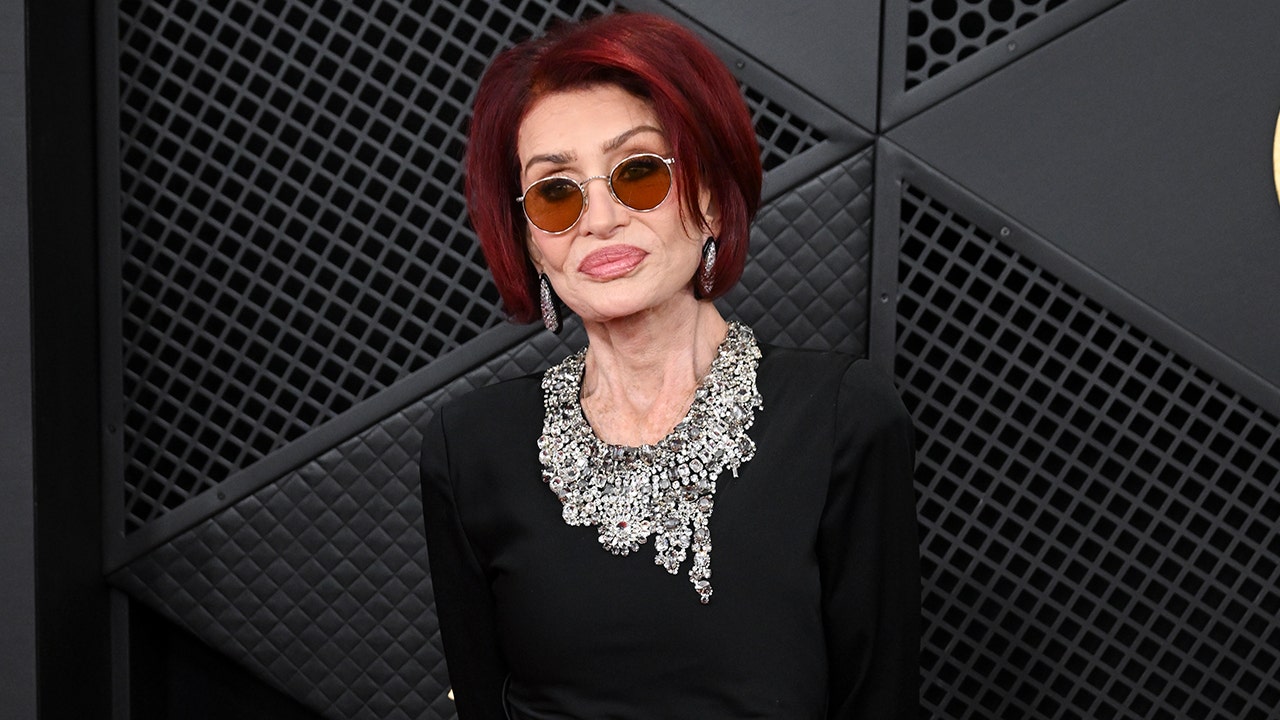
A recent exchange on a popular culture podcast spotlighted a recurring tension in 2026: should actors, musicians, and presenters use high-profile award ceremonies as stages for political commentary? Sharon Osbourne’s critique, advocating that viewers deserve relief from global events, highlights a broader trend in which entertainment platforms increasingly collide with political messaging. For policymakers, industry leaders, and audiences, the question is whether such interventions amplify civic engagement or risk normalizing partisan messaging in spaces traditionally designed for culture and celebration.
What Just Happened
On a widely listened-to podcast, Osbourne argued that award shows and related entertainment programs should stay separate from political debates. Her stance aligns with a camp of viewers who seek escapism from ongoing crises and economic pressures. Critics, however, contend that celebrities possess a platform with potential civic impact and that silence from the entertainment world can be read as indifference to pressing issues.
Public & Industry Reactions
Audience reception to celebrity political commentary remains mixed. Some viewers applaud figures who leverage their visibility to spotlight policy concerns, while others push back, expressing fatigue with ongoing politicization of entertainment. Industry responses range from variants of caution—warning that provocative speeches can polarize audiences or alienate segments of the market—to endorsements of open dialogue as a form of modern civic storytelling. For advertisers and streaming platforms, these dynamics create a delicate balance between audience retention and political expression.
Policy, Regulatory, and Market Implications
- Policy discourse in the cultural sector: The debate underscores how audience expectations around free expression intersect with corporate responsibility guidelines, platform policies, and advertising standards. Organizations may re-evaluate event formats, content moderation, and sponsorship terms to manage reputational risk while preserving creative freedom.
- Economic and consumer impact: If segments of the audience tune out politically charged entertainment, platforms could see shifts in engagement metrics, sponsorship value, and ticket or viewership numbers. Conversely, a subset of audiences may be drawn to entertainment that explicitly foregrounds policy issues, potentially creating niche markets for content that blends culture and governance.
- Governance signals for media companies: Executives may consider clearer communication about the purpose of award shows, including whether events intend to entertain, inform, or mobilize audiences. Transparent messaging can mitigate confusion and set expectations for what constitutes permissible commentary during broadcasts or related programming.
What Comes Next
- Industry trend monitoring: Analysts will watch for patterns in how networks and streaming services handle celebrity commentary during major ceremonies. A move toward explicit guidelines or stylistic shifts in award shows could indicate a strategic preference for content that prioritizes entertainment value while acknowledging public sentiment.
- Civic engagement vs. entertainment fusion: Researchers and policymakers may explore whether celebrity commentary translates into deeper civic participation or remains largely symbolic. This could inform future debates about media literacy initiatives and the role of celebrities in public discourse.
- Audience segmentation strategies: Content creators might tailor programming or post-event formats to address diverse audience appetites—offering both light, escapist entertainment and deeper, issue-focused discussions in separate but accessible formats.
Context and Analysis
The collision of politics and pop culture is not new, but it remains fluid in 2026. Celebrity voices can elevate awareness of policy concerns and mobilize audiences, yet there is a legitimate concern about overexposure to political messaging in spaces designed for relief and entertainment. The key for policymakers and industry leaders is to acknowledge the demand for balance: protecting the space where fans seek respite while ensuring that meaningful civic dialogue remains accessible and respectful.
Impact on Public Perception and Governance
Public perception hinges on perceived authenticity and relevance. When celebrities speak on issues that matter to viewers, it can spark curiosity and debate. However, if audiences see messaging as performative or disconnected from everyday experiences, the intended impact may backfire, leading to skepticism about both entertainment and politics. The governance question for platforms is to provide clear expectations and maintain trust by avoiding content that appears instrumentalized or cynical.
Forward-Looking Considerations
- Stakeholder alignment: Entertainment unions, network executives, and policymakers may collaborate on guidelines that protect creative expression while ensuring responsible discourse.
- Digital and streaming formats: Short-form clips, post-event panels, and fact-checked explainers could become standard to complement live ceremonies, helping audiences digest complex policy topics without feeling overwhelmed.
- Civic education synergies: Partnerships with educational organizations to translate entertainment-driven policy discussions into actionable knowledge could enhance the positive societal impact of celebrity advocacy.
In sum, Sharon Osbourne’s critique of political speeches at award shows spotlights a pivotal question in 2026: should entertainment spaces remain sanctuary first and civic platforms second, or should they actively blend relief with informed discourse? The evolving response from audiences, networks, and policymakers will shape how future ceremonies navigate the delicate balance between storytelling, persuasion, and responsible commentary.