Overview
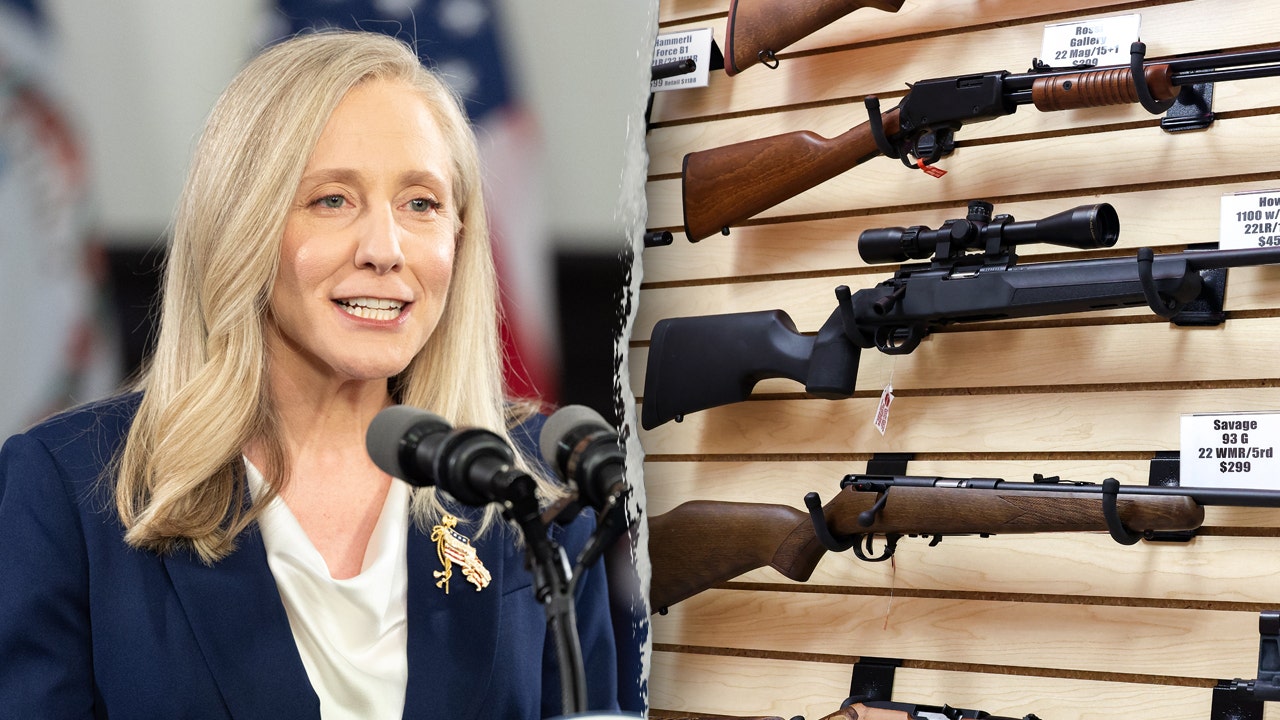
In a year marked by renewed battles over gun safety, Virginia’s Democratic leadership has unveiled a sweeping assault weapons ban that signals a hard-line stance on firearm regulation at the state level. Across the mountain divide in neighboring West Virginia, Republican lawmakers are weighing a markedly different path: expanding access to machine guns. The juxtaposition underscores how state-level policy choices are becoming central to the national debate on gun control, public safety, and political strategy ahead of upcoming elections.
Policy Snapshot: What Virginia Is Proposing
Virginia’s proposal centers on a broad prohibition on modern sporting rifles and other semi-automatic weapons widely used in mass shooting incidents. The ban is pitched as a comprehensive tool to reduce lethality in gun violence, including strict definitions of prohibited firearms, enhanced penalties for possession, and a framework for enforcement and buyback or compliance where feasible. Advocates stress that the policy would close loopholes, limit access to high-capacity firearms for civilian use, and align the state with jurisdictions that have enacted similar measures in recent years.
In parallel, Virginia Democrats are signaling accompanying measures that could include enhanced background checks, stricter licensing requirements, red-flag provisions, and funding for gun-safety programs. While the specifics vary by bill, the core aim is to tighten access to the most lethal weapons while strengthening enforcement and public safety infrastructure.
What West Virginia Is Considering
On the other side of the regional spectrum, West Virginia Republicans are weighing options to expand, not restrict, firearm access, including the possibility of allowing ownership of machine guns under certain conditions. The proposal is framed around regulatory clarity, potential tax revenue considerations, and the preservation of second amendment rights as part of broader political identity in the state. Critics warn that expanding machine gun access could raise public safety concerns, while supporters argue it would reduce black-market activity and preserve lawful ownership.
Impact on Constituents and Local Governance
Virginia’s proposed policy is likely to affect a broad portion of gun owners, potential buyers, dealers, and law enforcement agencies. If enacted, retailers would face new compliance requirements, and law enforcement would need updated training and resources to enforce stricter prohibitions and child-safety measures. The policy could also influence local municipalities, which may adopt additional restrictions or face pushback from gun-rights advocates.
In West Virginia, any move to ease machine gun ownership would shift regulatory and enforcement dynamics, including background checks, transfer processes, and compliance with federal laws governing machine codes of ownership and registration. Local communities could experience tensions between civil liberties concerns and public safety priorities, particularly in urbanizing areas or near transit corridors.
Political Response and Strategic Calculations
Virginia’s approach places Democratic lawmakers at the forefront of the national gun-safety agenda, aligning with a broader electoral strategy that leverages public concern over mass shootings and youth safety. The policy serves as a litmus test for the party’s ability to translate outrage into legislative action and to mobilize base voters around issue-focused campaigns. It also invites opposition from gun-rights groups and Republican lawmakers who argue that the policy could infringe upon constitutional rights and infringe on lawful ownership.
West Virginia’s position reflects a contrasting political calculus: framing gun access as an issue of personal freedom, economic interests, and regulatory clarity. Republicans may view this as a way to appeal to a broad spectrum of voters, including rural constituencies with strong gun cultures, while offering a counterpoint to Democratic enforcement narratives. Democrats in the state and national level are likely to challenge such moves as unsafe or ill-advised, emphasizing safety, youth protection, and crime reduction.
What Comes Next
If Virginia advances the assault weapons ban, the bill’s fate will hinge on committee approvals, potential amendments, and the ability to garner cross-party support for enforcement provisions. The political process could expose fault lines within the Democratic caucus, the influence of public opinion after high-profile incidents, and the degree to which urban and suburban counties align with statewide policy.
In West Virginia, any expansion of machine gun access would likely require careful consideration of federal regulatory constraints, licensing standards, and potential impacts on crime statistics. The policy debate could set the stage for wider discussions about state autonomy in firearm regulation and the balance between individual rights and public safety.
Context: A National Debate in States Leading the Way
The Virginia versus West Virginia dynamic reflects a broader national pattern: states are increasingly testing divergent approaches to gun regulation in a polarized political environment. The outcomes of these policy experiments will shape the contours of future federal discourse, influence gubernatorial and legislative races, and inform voter expectations about what “safety” and “freedom” mean in the context of firearms.
Readers should watch upcoming committee hearings, floor votes, and any ballot measures or interim regulations that may emerge from both states. The 2026 political landscape suggests that gun policy will remain a high-stakes, high-visibility issue with tangible consequences for governance, elections, and everyday safety.