DHS Shutdown Fallout
Overview
As the federal government endures a funding lapse for the Department of Homeland Security, Americans are feeling the ripple effects well beyond border controls and visa processing. Travel delays, furlough risks for frontline staff, and a broader chill in security and regulatory operations are surfacing as lawmakers clash over funding and policy priorities. The standoff underscores how funding for a key executive agency can become a litmus test for domestic policy, governance competence, and political strategy ahead of a crowded 2026 political landscape.
What Just Happened
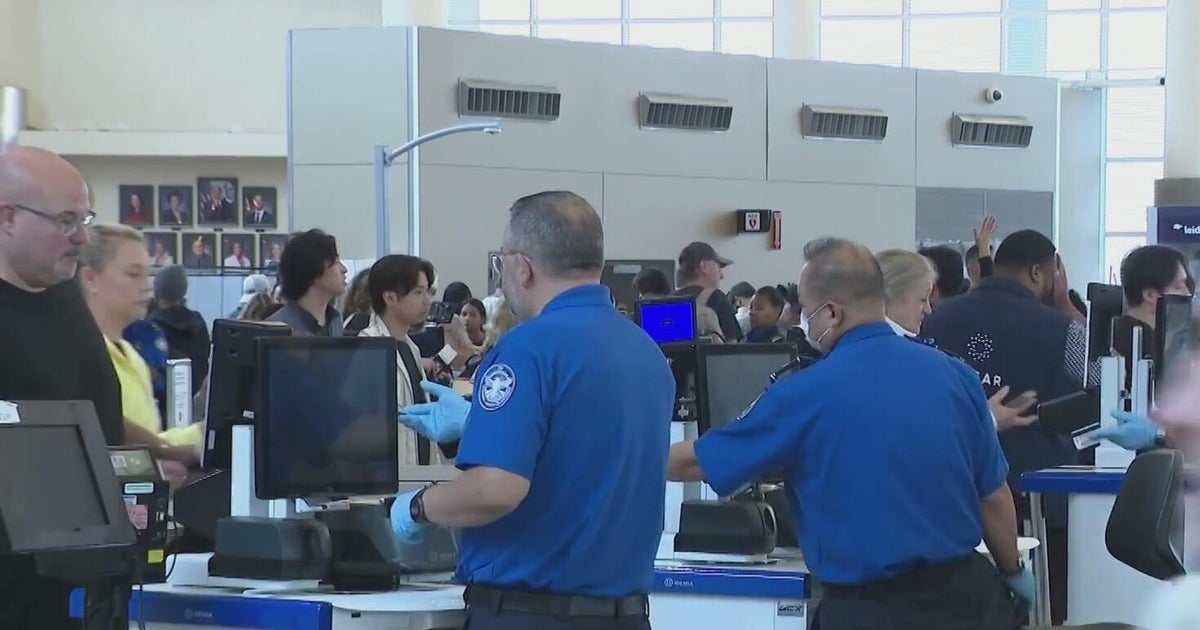
With the expiration of funding for DHS still unresolved, airports and border agencies are bracing for operational slowdowns. In practical terms, travelers report longer check-ins, longer wait times at security lanes, and disruptions to processing for visas, refugee and asylum procedures, and immigration enforcement. The political dynamic is clear: budget negotiations are tightly interwoven with policy fights over immigration enforcement, border security funding, and the reach of executive guidance on enforcement priorities. The stalemate isn’t merely about dollars; it’s a test of how Congress and the administration balance security mandates with civil liberties, economic vitality, and the public’s tolerance for government dysfunction.
Public & Party Reactions
Lawmakers from both parties frame the funding fight in terms of national security, economic impact, and sovereignty. Republicans typically cast the funding lapse as a failure of leadership and a signal that the administration’s immigration and border policies require more legislative oversight. Democrats, while acknowledging the burden on travelers, emphasize the need for a functioning DHS to safeguard communities, process asylum claims efficiently, and maintain critical infrastructure. Outside Washington, business groups and travel industries warn of cascading costs—from disrupted supply chains to diminished tourism and cross-border commerce. Public sentiment is cautious and increasingly frustrated, with constituents pushing representatives to restore funding and avert further disruption.
Policy Snapshot
The current impasse centers on annual appropriations for DHS and a suite of policy disputes tied to immigration status, asylum procedures, border technology investments, and personnel levels. Potentially competing priorities include funding for enhanced border processing facilities, modernization of biometric systems, and the expansion (or contraction) of certain enforcement authorities. The stalemate places pressure on committee chairs, the White House, and conference negotiations to deliver a package that satisfies security concerns while addressing the operational needs of a department that touches millions of lives daily.
Who Is Affected
- Travelers: Longer wait times, potential passport and visa delays, and changes to entry processing timelines.
- DHS Employees: Possible furloughs, reduced overtime, and staffing uncertainties that could erode morale and public safety readiness.
- Businesses and Economies: Delays in travel, trade compliance, and visa programs can ripple into tourism, hospitality, and seasonal staffing sectors.
- Immigrant Communities: Uncertainty around asylum processing, removals, and case backlogs intensify anxieties and can shift local resource allocations.
Economic or Regulatory Impact
A funding lapse disrupts the regulatory tempo that keeps air travel, ports of entry, and immigration processing predictable. Delays in biometric checks, CAPEX for modernization, and data-sharing initiatives may stall. The broader economy bears indirect costs through diminished traveler confidence, slower visa issuances for multinational staffing plans, and potential disruptions to supply chains reliant on a steady flow of goods and workers. In policy terms, the shutdown creates a pendulum effect: more aggressive enforcement rhetoric during a stalemate may come up against practical governance constraints once funding resumes.
What Comes Next
- Short Term: Expect airport advisories, temporary staffing measures, and close attention from industry groups lobbying for quick funding resolution.
- Medium Term: Negotiations will maneuver around DHS policy reforms, enforcement priorities, and funding adequacy for frontline operations.
- Long Term: The shutdown could become a watching brief for 2026 debates about immigration policy, national security funding, and the balance between security and civil liberties.
Political Response
Lawmakers will likely press for a temporary funding patch if the stalemate persists, paired with policy concessions or commitments to future negotiations. The administration may frame a funding agreement as essential to national security and economic resilience, while opposition voices may leverage the disruption to argue for tighter asylum controls or faster border reforms. The dynamic tests the resilience of the political coalition around border policy, domestic governance, and the capacity of Congress to deliver on essential services.
What to Watch
- Movement on a funding bill or temporary continuing resolution that keeps DHS operational.
- Any linked policy agreements on border security, enforcement authorities, or tech modernization investments.
- Shifts in travel industry guidance and consumer communications from DHS and related agencies.
- Public opinion trends as frustrations around delays grow and daily life experiences of travelers become a political signal.
In sum, the DHS funding stalemate is more than a budget dispute; it’s a stress test of the federal government’s ability to deliver essential services while navigating contentious policy terrain. As 2026 politics intensify, the outcome will shape perceptions of governance competence, the trajectory of immigration enforcement, and the resilience of travel and commerce tied to national security infrastructure.