Overview
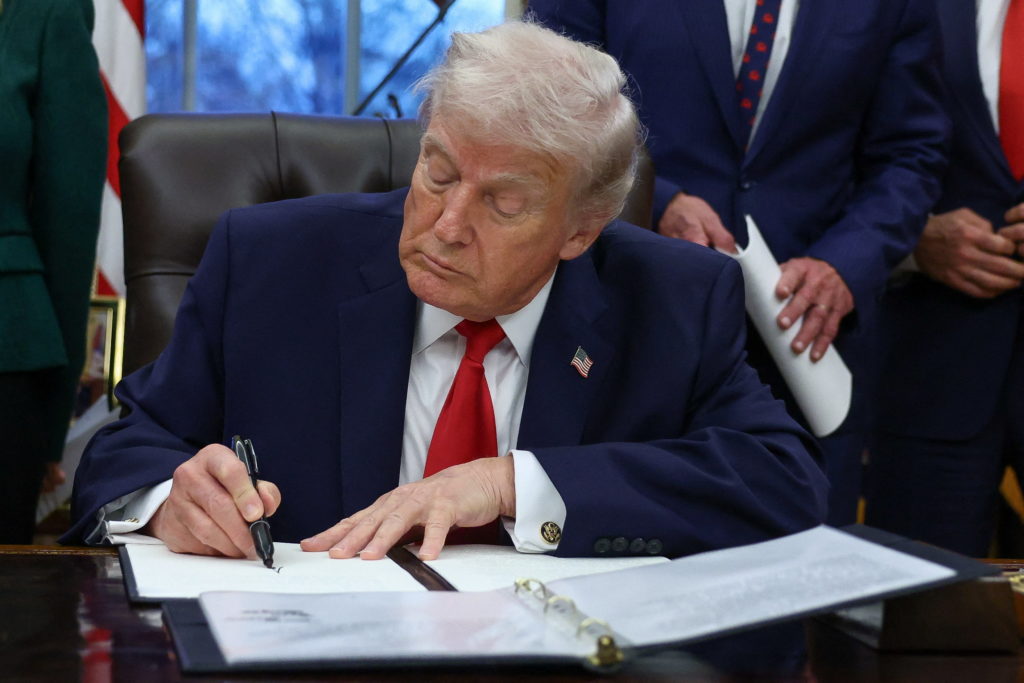
In a move designed to sharpen political contrast ahead of the 2026 midterm elections, former President Donald Trump signed two executive orders centered on boosting home affordability. Framed as a practical response to soaring housing costs, the actions highlight housing policy as a high-stakes issue for voters and a testing ground for executive priorities in a time of tighter federal budgets and divided government considerations.
What Just Happened
Trump unveiled and signed a paired set of executive actions intended to reduce barriers to homeownership and ease the burden of housing costs for low- to middle-income households. The exact mechanisms outlined in the orders cover a mix of incentives for lenders to broaden affordable lending, streamlined approval processes for critical housing developments, and targeted regulatory tweaks meant to lower construction and financing frictions. The White House framed the measures as pragmatism—leveraging executive authority to accelerate tangible improvements in access to safe, affordable housing.
Public & Party Reactions
Supporters within Trump’s base and allied Republicans quickly framed the moves as a concrete policy victory that translates political capital into real-world benefits for homeowners and renters alike. Critics, including some policymakers and consumer advocacy groups, argued that executive orders are limited in scope and could become bargaining chips in broader budget negotiations. The policy gambit places housing affordability at the center of 2026 campaign messaging, inviting scrutiny of who benefits most and how durable these changes will be if Congress adjusts or rescinds related funding or regulatory provisions.
Policy Context and Rationale
Housing affordability has long been a pivotal issue for voters balancing costs, supply constraints, and mortgage access. By acting via executive orders, Trump signals a willingness to use presidential authorities to move faster than the typical legislative cycle. The initiatives aim to address systemic frictions—such as lending criteria, permitting timelines, and the availability of affordable housing units—while navigating potential political pushback around federal intervention and budgetary priorities. The moves reflect a strategy to connect economic grievances with the election calculus, framing housing costs as a direct pathway to improving household financial stability.
What Comes Next
Key questions now center on implementation and durability:
- How will federal agencies translate the executive orders into concrete programs, timelines, and measurable targets?
- What funding streams or regulatory changes accompany these orders, and how might they interact with existing housing programs, tax incentives, or affordable housing mandates?
- Will states and localities align with or resist these directives, given the patchwork nature of housing policy across jurisdictions?
- How will opponents frame the measures in subsequent debates and campaigns, especially if costs or unintended consequences surface?
Impact and Implications for Voters
If the measures materialize into faster permitting, broader access to affordable mortgage products, and increased development in high-need areas, households could experience tangible relief in housing stability and monthly carrying costs. The political impact hinges on the degree to which the policy accelerates housing supply, lowers financing frictions, and translates into lower rents or purchase prices in key markets. For Trump’s campaign, the executive orders provide a narrative of administrative effectiveness and problem-solving prowess on a fundamental economic issue.
Economic and Regulatory Dimensions
The orders intersect with a range of regulatory domains, including housing finance, zoning and land-use policies for new developments, and potential adjustments to incentives for builders and lenders. Critics will monitor for spillovers such as inflationary pressures, debt levels, or unintended distortions in housing markets. Supporters argue that targeted incentives and streamlined processes can unlock supply and ease pressure on households without broad tax increases or sweeping regulatory overhauls.
Strategic Significance
Housing affordability remains a potent electoral lever. By foregrounding this issue through executive action, Trump seeks to demonstrate executive agility and policy impact outside the traditional legislative process. The effectiveness of these efforts in a polarized political environment will help shape perceptions of not only housing policy but the administration’s approach to governance and economic stewardship as voters head toward the midterms.