Overview
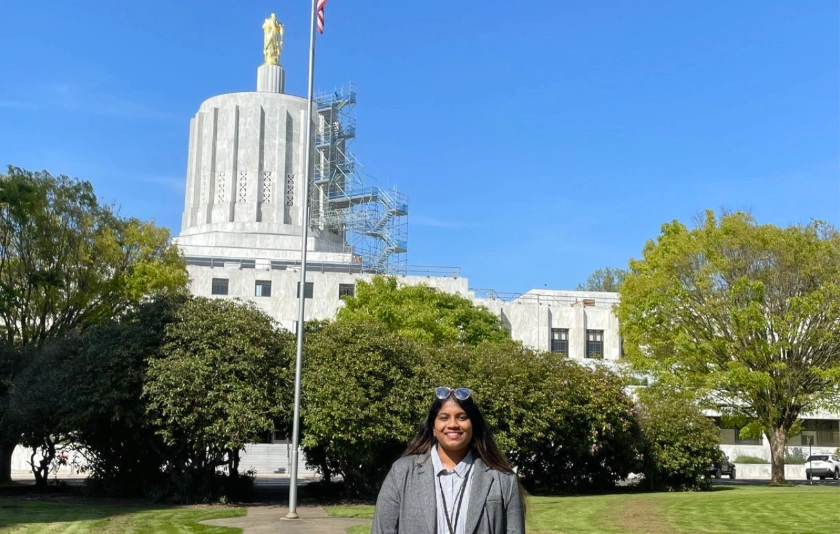
Dulasi Tennakoon BA’25 represents a growing cohort of student leaders who are turning campus ambition into real-world public service. Her journey—backed by Willamette University mentors and kickstarted with a congressional internship—highlights how targeted mentorship, early exposure to government, and hands-on civic experience can forge future leaders who will influence governance at the local, state, and national levels.
What’s Driving This Trend
Across higher education, universities are increasingly positioning programs that pair rigorous academics with practical governance experiences. Students like Tennakoon illustrate a broader strategy: equip high-potential undergraduates with mentorship networks and opportunities to engage directly with lawmakers. The aim is to create a steady pipeline of civically engaged graduates who understand the mechanics of policy, constituent service, and the day-to-day realities of public administration.
Dulasi Tennakoon’s Trajectory
- Mentorship as a catalyst: Tennakoon’s trajectory underscores the impact of seasoned mentors guiding students through the complexities of public life. Thoughtful mentorship helps translate classroom learning into tangible skills—policy analysis, stakeholder communication, and project management.
- Early congressional exposure: Beginning her career with a congressional internship provided Tennakoon with firsthand insight into legislative processes, constituent engagement, and the strategic considerations that drive policy outcomes. This experience can shape her approach to leadership, collaboration, and long-term governance.
- A 2025–2026 lens: As she progresses through BA’25, Tennakoon’s experience mirrors a broader emphasis on early-career leadership development. For universities and local governments, her example signals the value of structured internships, cross-sector mentorship, and pathways to civic service that start in college.
Implications for Local Governance and Policy Talent
- Strengthening governance pipelines: When universities connect students with internships and mentors, they strengthen the pipeline of capable public servants who can tackle complex civic challenges—from infrastructure planning to community development and public accountability.
- Enhancing constituent-centered leadership: Early exposure to the mechanics of representation helps future leaders prioritize constituent needs, fiscal responsibility, and transparent governance—key ingredients for effective local and regional governance.
- Encouraging inclusive civic participation: Programs that illuminate the pathways to public service can broaden who enters governance roles, promoting more diverse perspectives and informed policy-making.
What This Means for 2026 and Beyond
- Investment in mentorship programs pays dividends: Institutions that invest in structured mentorship and early experiential learning are likely to yield a more competent, adaptable generation of leaders capable of navigating evolving political and regulatory landscapes.
- The value of experiential learning in public service: Tennakoon’s example reinforces the potential for internships to translate into longer-term leadership trajectories, influencing policy direction and governance strategies at multiple levels.
- A broader narrative of civic responsibility: As more students engage in hands-on political work, the public’s trust in governance can be reinforced through demonstrated competence, accountability, and clear pathways into public service.
What to Watch
- Graduation-to-career transitions: Monitor how campuses and internship programs convert academic preparation into practical governance roles, particularly in civil service, policy, and community development.
- Mentorship models: Look for innovative mentorship frameworks that pair students with practitioners across government, non-profit, and private sectors to broaden exposure and networks.
- Local impact indicators: Track outcomes such as internship placement quality, student-led initiatives, and subsequent leadership appointments within local government or community organizations.
In sum, Dulasi Tennakoon’s early career milestone reflects a broader, strategic shift in higher education toward cultivating capable civic leaders through mentorship and real-world governance exposure. As campuses continue to refine these programs, the next generation of public servants could emerge more prepared, more diverse, and more responsive to the needs of their communities.