Overview
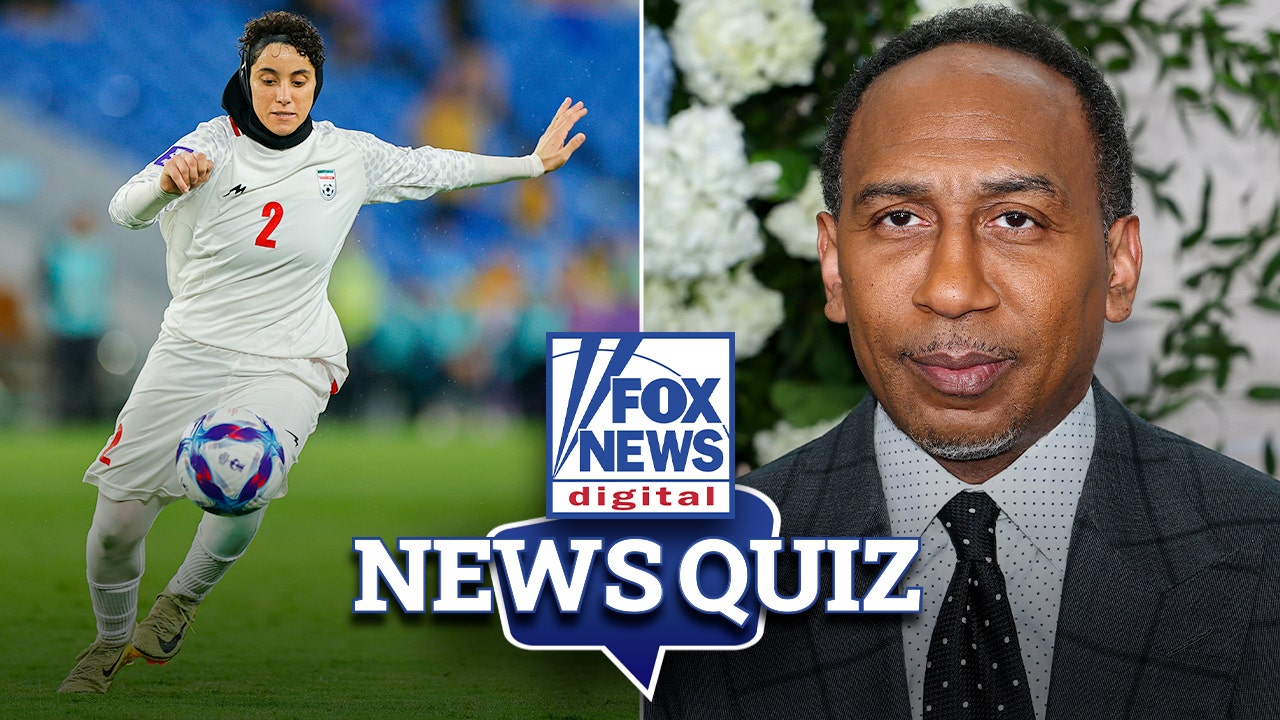
A prominent sports analyst’s surprising move to rule out a White House bid has set off fresh debate about GOP strategies and candidate viability ahead of the 2026 cycle. Compounding the political narrative is an international human-interest story: Iranian women soccer players seeking asylum, spotlighting asylum policies and gendered dynamics in global sport. Together, these strands illuminate how party calculus, immigration policy, and media influence intersect at a pivotal moment for U.S. politics.
What Just Happened
In a rapid shift of early campaign theater, a recognized political-leaning commentator from the sports world announced he will not pursue a presidential run. The decision reverberates through the GOP’s early dynamics, potentially eroding or reshaping perceived support networks, donor appetite, and media narratives around risk, electability, and policy priorities. These dynamics matter as Republican strategists weigh competing profiles, core voter concerns, and the importance of messaging coherence as they prepare for primaries and caucus states.
Simultaneously, coverage of Iranian women soccer players gaining asylum abroad foregrounds the global interplay between sports, human rights, and immigration policy. The development underscores how asylum and refugee considerations can become an international political touchstone, influencing public opinion and policy debates on border controls, refugee processing, and protections for athletes facing persecution or safety threats.
Public & Party Reactions
Within party circles, the response is likely to be shaped by timing, branding, and district-level sentiment. Some in the GOP may seize the absence of a marquee candidate to recalibrate the field, emphasizing policy depth, governance experience, and coalition-building. Others may view the decision as a missed opportunity to consolidate a particular faction’s support ahead of early-state contests. The asylum news in Iran adds another layer, pressuring lawmakers to address asylum pathways, refugee rights, and the human dimension often missing from high-level political discourse. Expect policymakers to test whether foreign policy or immigration positions will become decisive campaign differentiators.
Policy and Political Implications
- Candidate Viability and Party Strategy: The withdrawal by a high-profile commentator-turned-potent voice reshapes perceived electability, forcing other potential contenders to redefine their messaging, coalition-building efforts, and fundraising approaches.
- Messaging Discipline: The GOP may intensify focus on economic policy, national security, and cultural issues to maintain a distinct brand while balancing internal factions. The episode also highlights the importance of media strategy in shaping candidate perception and voter trust.
- Immigration and Human Rights Framing: The asylum case for Iranian female athletes elevates debates about asylum procedures, safety protections for at-risk populations, and the role of international competition in human rights advocacy. U.S. policymakers could feel pressure to articulate clearer asylum standards or bi-national cooperation on refugee safety and processing.
What Comes Next
- Campaign Terrain: Expect continued evaluation of candidate viability, with punditry and donor behavior influenced by shifting visibility of alternative leaders. The field may tighten or redistribute around emerging policy anchors, particularly on economy, healthcare, and border security.
- Immigration Policy Dialogue: Domestic political reactions to asylum cases abroad can spur both humanitarian and regulatory discussions. Lawmakers may push for reforms to asylum adjudication timelines, refugee intake caps, or bilateral agreements to address movement and safety for persecuted individuals, including athletes who face unique risks.
- Media Influence and Governance: The interplay between sports media personalities and political narratives may become a more salient feature of 2026 campaigns, with outlets and influencers shaping public perception of candidate competency and policy priorities.
Forward-Looking Risks
- Electoral Viability Risks: If perceived candidate depth and governance readiness remain in question, the party could face a broader governance legitimacy challenge in the general electorate, especially among swing-state voters concerned with stability and experience.
- Human Rights and Immigration Debate: A polarized discourse around asylum policies risks spiraling into partisan gridlock, potentially delaying practical reforms needed to speed adjudications and protect vulnerable populations, including athletes seeking asylum.
- Global Perceptions of the U.S.: International audiences watch how American political dynamics address asylum and refugee protections, which can influence diplomatic credibility and multilateral cooperation on related issues.
Conclusion
As GOP dynamics adjust to a new reality post-withdrawal, and as asylum stories from abroad surface in domestic discourse, 2026 presents a testing ground for how political strategy, policy detail, and human-rights considerations converge. The coming weeks will reveal how candidates harmonize party branding with governance competence while navigating complex immigration narratives that extend beyond U.S. borders. This is a crucial moment for voters seeking clarity on who can lead with both policy rigor and pragmatic governance.