Overview
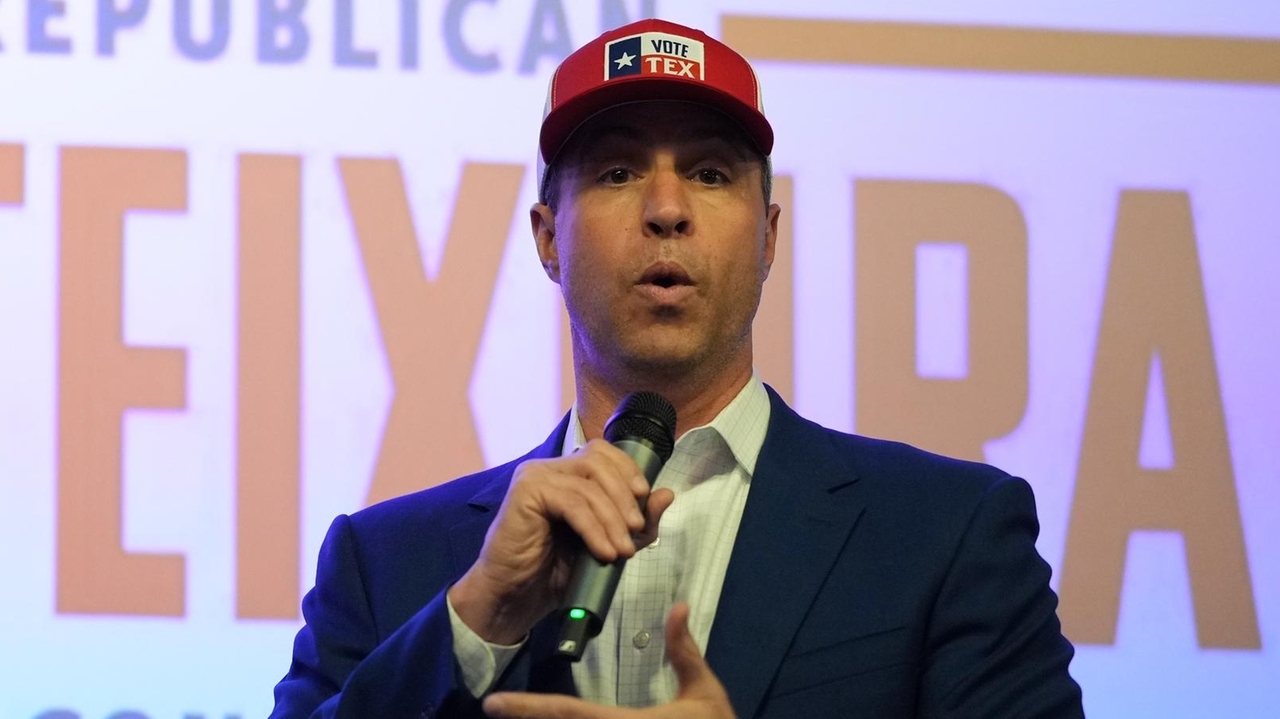
Former MLB standout Mark Teixeira’s move from baseball to politics marks a notable instance of celebrity influence shaping local and national elections. After a career as one of baseball’s most respected first basemen, Teixeira won the Republican primary for Texas’ 21st Congressional District, signaling more than a personal career pivot. It underscores a broader trend: high-profile figures leveraging name recognition, media presence, and a disciplined team to contest congressional seats in competitive districts.
What Just Happened
In a district that has drawn national attention for its swing potential, Teixeira’s victory in the Republican primary positions him as a candidate to watch through the general election cycle. The outcome reflects a strategy that blends athletic discipline with political organizing—recruiting staff, building a local footprint, and aligning with GOP policy priorities that resonate with Texas voters amid an evolving policy landscape. While primary wins are not determinative of general election results, they serve as a barometer for party branding, fundraising capacity, and willingness to mobilize non-traditional candidates.
Public & Party Reactions
Supporters emphasize Teixeira’s work ethic, leadership experience, and ability to communicate across diverse audiences. Critics question the transition from sports to public service, scrutinizing policy depth, fundraising networks, and potential alignment with current party platforms. The primary victory also invites scrutiny of campaign infrastructure—from ground games in the district to digital outreach and PAC support. The political conversation around Teixeira’s candidacy centers on whether celebrity-led campaigns can translate into effective governance and district-level representation.
Policy Implications and Debates
Texiera’s candidacy has brought attention to several policy domains that often dominate Texas elections: tax policy, energy production, border security, and education. Endorsements and fundraising signals suggest a platform that prioritizes conservative economic approaches, regulatory reform, and pro-growth initiatives—areas where the GOP currently seeks to consolidate support among suburban and rural voters. As the campaign unfolds, Teixeira’s effectiveness in translating athletic discipline into policy proposals will be closely watched, particularly on how to balance business-friendly policies with real-world implementation in a diverse district.
What Comes Next
The Texas 21st District is a competitive battleground with federal implications beyond local interests. Teixeira faces a general election where effective messaging will need to address both urban and rural concerns, including job creation, energy reliability, and public services. The campaign’s success will depend on building a robust coalition that includes business leaders, veterans, and community organizations, while articulating a clear stance on national issues that matter to constituents. Fundraising momentum, voter outreach, and a credible policy platform will determine whether Teixeira can convert primary momentum into durable electoral viability.
Strategic Takeaways
- Celebrity candidates are increasingly penetrating congressional races, leveraging name recognition to accelerate fundraising and organizational growth.
- In a district with shifting demographics, a candidate’s ability to translate athletic leadership into policy depth will be under intense scrutiny.
- The outcome of the upcoming general election could influence GOP messaging strategies in similar swing districts across Texas and the broader region.
Key Context for 2026 Analysis
Teixeira’s campaign illustrates how professional sports figures are redefining political leadership trajectories. For political strategists, the case highlights:
- The importance of a disciplined campaign architecture that can sustain a long election cycle.
- How branding and messaging around leadership, reliability, and public service can resonate with diverse voter groups.
- The ongoing relevance of local district dynamics in predicting federal election outcomes and party strength in pivotal suburban markets.