Overview
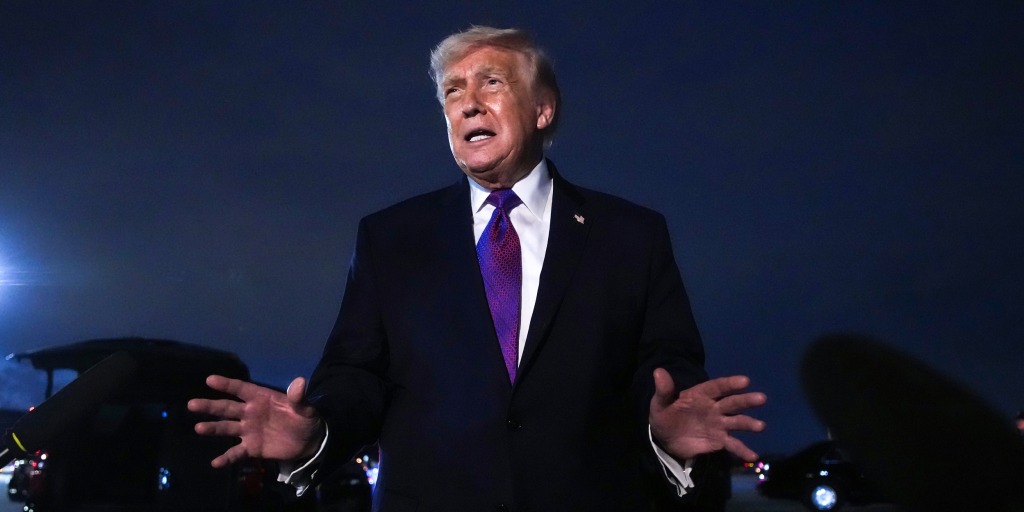
In a moment that blends political theater with substantive policy signals, former President Donald Trump has adjusted his rhetoric on oil prices while state legislators move forward with bills reminiscent of the SAVE America Act. The confluence of a changed public narrative from a leading political figure and new legislative proposals at the state level demonstrates how energy policy has become a focal point in 2026 politics, with potential implications for markets, consumer prices, and the regulatory environment.
What Just Happened
Trump’s recent public remarks appear to recalibrate his stance on oil prices, portraying a more flexible, pragmatic approach to energy markets. While specifics remain to be filled in by campaign conversations and subsequent policy rollouts, the shift signals a broader strategy: positioning energy policy as a lever to address inflation, supply concerns, and geopolitical risk. Concurrently, several state legislatures have introduced measures that echo elements of the SAVE America Act—billing themselves as steps to enhance national security, domestic energy resilience, and supply chain protections. The pairing of a high-profile pivot with grassroots legislative activity underscores how climate, energy, and regulatory debates are becoming increasingly intertwined with party messaging and electoral messaging.
Public & Party Reactions
Reaction to Trump’s shift has been divisive, with supporters praising the emphasis on energy independence and critics warning of the political risk of mixed signals in a volatile oil market. Within party circles, allies frame the oil price stance as a practical pivot aimed at delivering tangible relief for consumers, while opponents emphasize consistency concerns and warn that rhetoric must align with credible policy proposals. At the state level, lawmakers pushing SAVE-like bills are receiving attention for their potential to streamline energy siting, encourage domestic production, or impose price and reliability standards—though details vary widely by jurisdiction. The development highlights ongoing tensions between centralized federal strategy and state-led experimentation in energy governance, a theme that will likely echo through primary campaigns and general elections alike.
Implications for Policy and Politics
Economically, a reframed stance on oil prices could influence market expectations, investor sentiment, and consumer bills. If the rhetoric translates into concrete measures—such as faster permitting for energy projects, targeted subsidies or tax incentives, or regulatory tweaks aimed at reducing price volatility—the administration or its supporters may seek to demonstrate rapid, tangible benefits to households and businesses. At the same time, SAVE Act-like proposals moving through state legislatures could accelerate shifts in how energy projects are approved, funded, and overseen, potentially creating a patchwork of regulatory regimes across states. That fragmentation could complicate interstate energy markets but might also foster innovation and resilience by allowing regions to tailor policy to local energy mixes.
What Comes Next
- Policy articulation: Expect more defined proposals detailing how any oil-price strategy would operate in practice, including whether actions would involve federal coordination, regulatory changes, or market-oriented incentives.
- Legislative cadence: State bills inspired by SAVE-like concepts will progress through committees, with debates over permitting times, environmental safeguards, and consumer protections shaping their trajectory.
- Election overlay: Energy policy remains a high-interest topic in the 2026 cycle. Candidates will likely test messages on price relief, energy independence, and fiscal impact to capture swing voters who felt the pinch of energy costs.
Context and Takeaway
The convergence of Trump’s oil-price messaging with surge of state-level energy bills signals a broader trend: energy policy is increasingly treated as both economic and political leverage. Firms, consumers, and regulators will watch closely for precise policy language, cost-benefit analyses, and how swiftly any proposals could reshape the energy landscape. As 2026 unfolds, the balance between national strategy and state experimentation will likely define a dynamic, contested space where prices, production, and political narratives intersect.