Overview
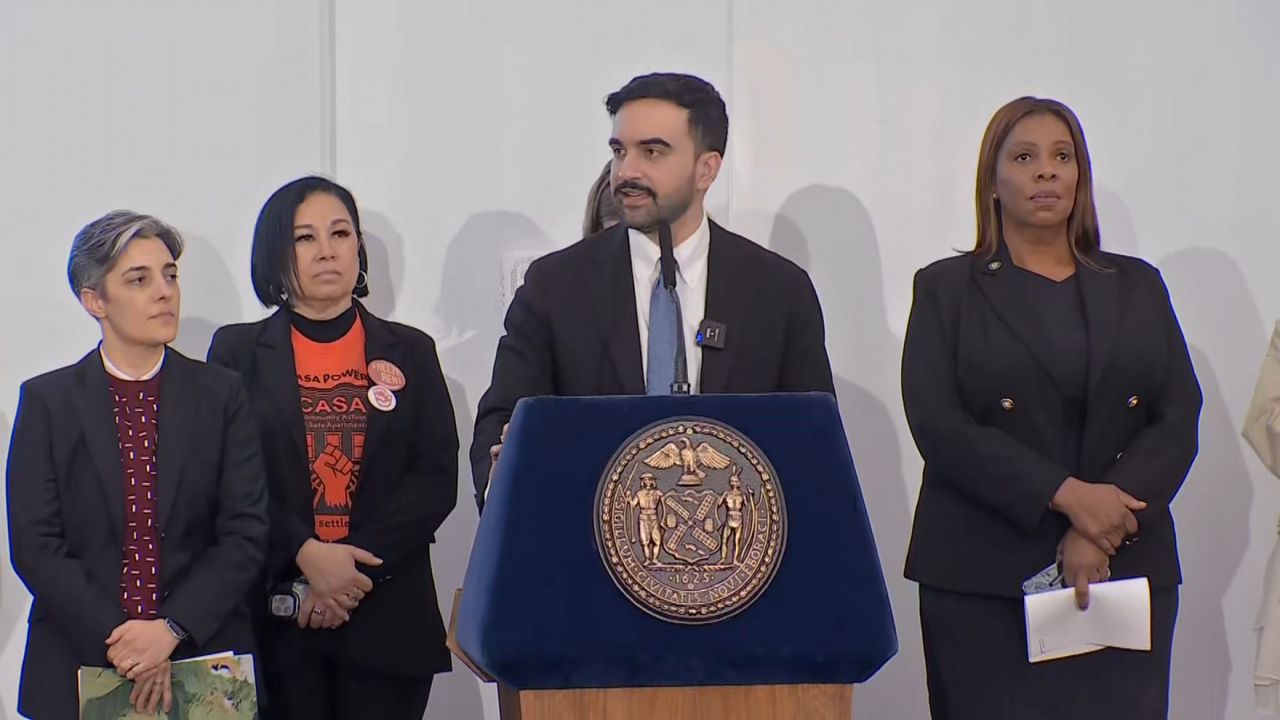
A landmark hearing on rental practices in New York City drew attention to the lived realities of tenants who have long felt sidelined in policy debates. For the first time, housing residents were allowed inside to testify about experiences with rents, evictions, and the systems meant to safeguard affordable housing. The moment mattered not just for residents but for regulators, lawmakers, and the broader public eager for concrete reforms.
Policy Snapshot
The hearing spotlighted several policy questions: how rents are set and escalated, what constitutes abusive or predatory practices by landlords, and the effectiveness of existing tenant protections. Debates centered on strengthening oversight of rental markets, improving transparency around lease terms, and expanding avenues for tenants to challenge unlawful increases or unsafe living conditions. Advocates argued that improving regulatory guardrails is essential to stabilizing neighborhoods under pressure from gentrification and housing shortages. Critics cautioned against overreach that might slow investment or reduce supply, underscoring the need for balanced policy design.
Who Is Affected
Residents and renters across NYC neighborhoods—particularly those in cost-burdened households—are directly touched by these policy questions. Landlords, property managers, and real estate interests are also stakeholders, as they navigate compliance costs and regulatory expectations.Community groups and nonprofit organizations focused on housing access and tenant rights watched closely, recognizing that outcomes in this process could influence long-term housing stability for thousands of families.
Economic or Regulatory Impact
The hearings put a spotlight on potential regulatory shifts with real economic consequences. Strengthened tenant protections could improve housing stability and reduce displacement, but they may also alter costs for building maintenance, compliance, and development timelines. Policymakers are weighing targeted reforms—such as enhanced disclosure requirements for rent increases, clearer rules around evictions, and faster complaint resolution mechanisms—against the risk of unintended effects on rental supply. The broader economic signal is a city negotiating how to preserve affordable housing while incentivizing responsible investment in a market that remains tight.
Political Response
Reaction across political lines has framed the hearings as a test of governance—not just a debate over policy specifics but over accountability to residents. Lawmakers and regulators are positioning themselves as champions of tenants, promising stronger enforcement, clearer standards, and more accessible avenues for complaints and redress. At the same time, some business-facing stakeholders urge careful calibration to avoid chilling investment or slowing construction. The messaging suggests a strategy: demonstrate tangible protections for tenants while maintaining a workable regulatory environment that supports housing development.
What Comes Next
Expect legislative and regulatory work to intensify in the coming sessions. Potential next steps include drafting amendments to rental regulations, expanding tenant rights education, and increasing funding for housing courts and mediation services. Committees may seek to codify best practices for landlord screening, lease disclosures, and safe living conditions. Community advocates will likely press for rapid implementation timelines and robust enforcement mechanisms, while industry groups push for phased rollouts and clear compliance guidelines.
Context and Implications
This development sits at the intersection of housing affordability, regulatory reform, and urban governance. As cities face persistent affordability challenges, the balance between protecting tenants and maintaining a viable rental market remains a central political question. The hearing’s outcome could influence not only New York City’s approach to rental regulation but also serve as a blueprint for other jurisdictions grappling with similar pressures.
Long-Term Significance
If the reforms take shape with strong tenant protections and transparent enforcement, NYC could emerge as a model for modernizing rental governance without stifling investment. The real test will be in the details of implementation, the effectiveness of complaint and dispute-resolution processes, and the willingness of regulators to adapt as market conditions evolve. In a city where housing access is a fundamental civil issue, the trajectory set by these hearings will likely reverberate through elections, budgeting debates, and regulatory policy for years to come.