Overview
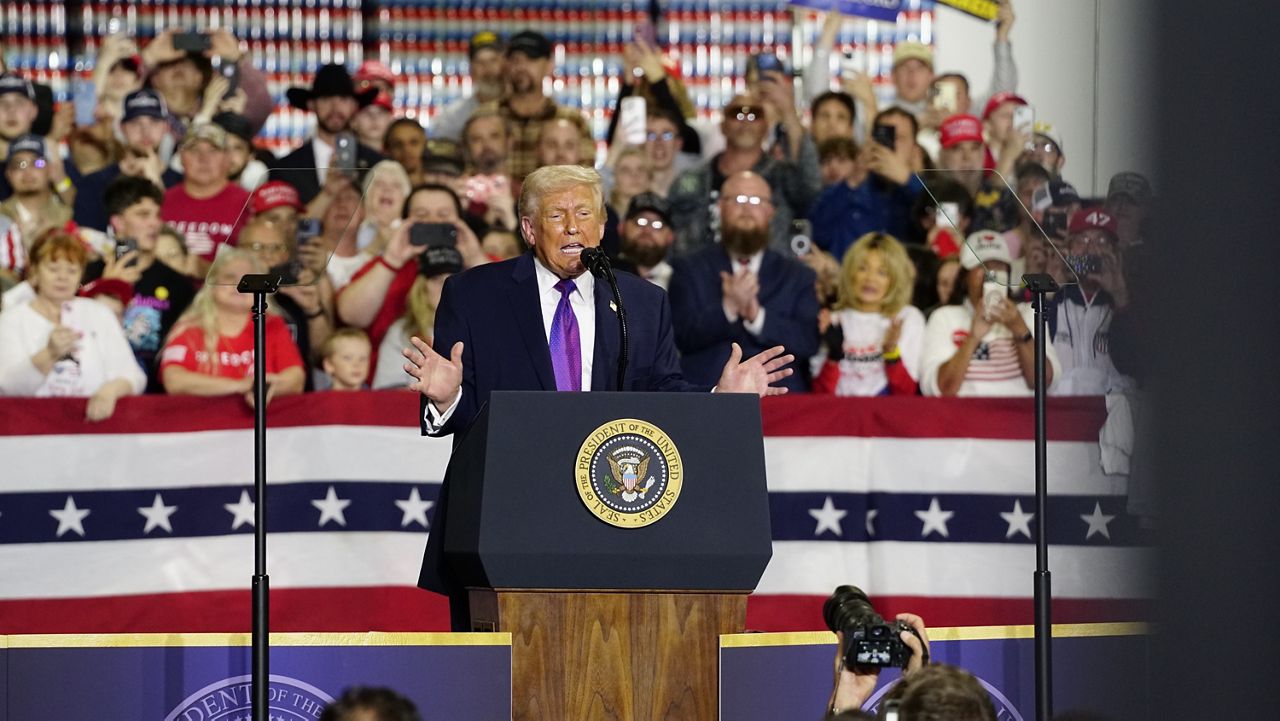
Former President Donald Trump spent a high-visibility day in northern Kentucky, leveraging a logistics facility stop to spotlight his economic record, underscore tax policy themes, and intensify midterm messaging. The visit also placed a spotlight on Rep. Thomas Massie’s reelection bid, signaling how Trump-aligned campaigns are tying economic performance to local races in key battleground districts.
What Just Happened
Trump arrived at a logistics hub to draw a direct line between the nation’s recent tax policy changes and tangible outcomes for workers and businesses. In his remarks, he framed the tax law as a catalyst for growth, job creation, and American competitiveness, aiming to energize his base and influence the 2026 electoral landscape. The stop served a dual purpose: reinforcing the Trump administration’s economic narrative while signaling booster support for Rep. Massie, whose district alignment aligns with Trump’s broader midterm strategy.
Public & Party Reactions
Supporters greeted the former president with familiar enthusiasm, highlighting a belief that recent tax and regulatory shifts have delivered economic momentum. Critics have argued that the messaging emphasizes short-term gains without addressing broader concerns about inflation, wage growth, or supply chain resilience. Within the Republican coalition, the event underscores a strategy to anchor midterm campaigns on concrete economic wins, leveraging tax policy to bolster incumbents and allied candidates in competitive districts. Democratic opposition has tended to frame tax-centric messaging as a midterm tactic rather than a structural policy victory, emphasizing ongoing debates over fiscal sustainability and long-term growth.
Policy Context and Strategic Implications
- Economic narrative and tax policy: The visit underscores a continued emphasis on tax law outcomes as a campaign differentiator. Trump’s team argues that the tax framework has delivered investment signals, job creation, and business sentiment improvements. Opponents counter that growth gains are uneven and tied to broader macro trends, demanding scrutiny of long-term deficits and distributional effects.
- Massie’s reelection angle: By spotlighting Rep. Massie, the Trump-aligned wing of the party signals readiness to mobilize around a shared economic message in districts critical to maintaining party control. This pairing demonstrates how economic performance messaging can be deployed to shield incumbents and push coordinated policy narratives in tight races.
- National midterm signaling: The Kentucky stop is part of a broader pattern where presidential-aligned campaigns test economic messaging in manufacturing, logistics, and infrastructure hubs. The aim is to translate policy outcomes into political leverage, especially in suburban and rural districts pivotal to 2026 outcomes.
What Comes Next
Expect a wave of economically framed campaigning across swing districts as Trump allies push tax-related achievements as a centerpiece of their midterm messaging. If subsequent events continue to emphasize tangible economic indicators—like job creation data, wage trends, and business investment—the messaging could gain traction in districts prioritizing cost-of-living considerations and supply-chain stability. Conversely, critiques are likely to intensify around fiscal sustainability and wage-quality concerns, potentially shaping debates on the long-term efficacy of tax policy changes.
Context and Takeaway
This Kentucky stop illustrates how economic performance messaging remains central to Trump-aligned campaigns as they navigate a complex 2026 electoral environment. For voters, the key questions center on whether tax policy yields durable improvement in wages, job quality, and regional competitiveness, and how incumbents like Massie translate national policy into local benefits. As midterm dynamics unfold, the interplay between economic rhetoric and real-world outcomes will help determine where this message lands with the broader electorate.