Overview
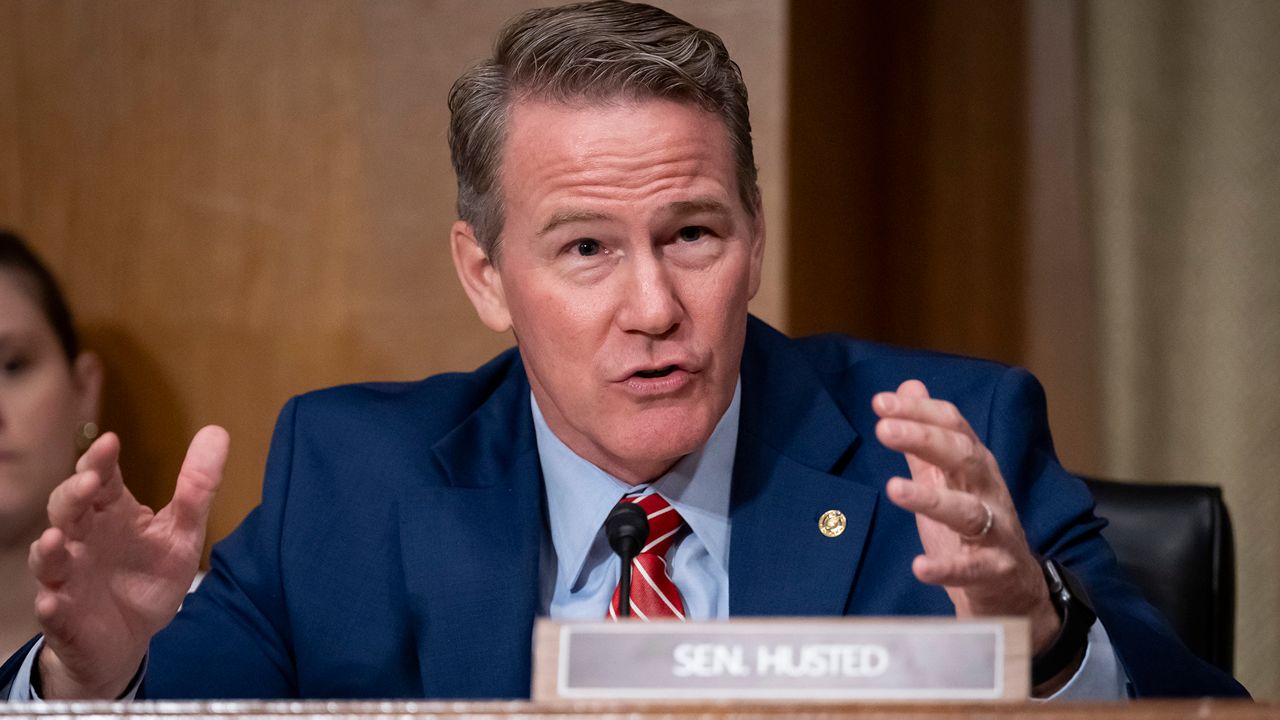
In a development shaping the landscape of political accountability and energy regulation, former Ohio Senate President Larry Obhof’s successor and current Lt. Gov. Jon Husted is expected to testify remotely in the ex-FirstEnergy executives’ corruption trial. Prosecutors believe his testimony could corroborate a web of communications—meetings, emails, and texts—that have featured prominently in the five-week trial. The proceedings illustrate how back-channel interactions between utility interests and public officials can become focal points in large-scale corruption cases.
What Just Happened
Husted’s appearance is anticipated to center on linking several key events and decisions to the alleged improprieties tied to the utility’s political and regulatory activity. Lawyers on both sides have signaled that Husted’s testimony may help fill gaps in the narrative about how discussions behind closed doors influenced public actions and policy outcomes. Remotely delivering testimony underscores the ongoing logistics of high-profile investigations, but it also keeps a prominent national figure in the spotlight as jurors assess motive, credibility, and the sequence of influence.
Public & Political Reactions
Expect a phased reaction from lawmakers and watchdog groups. Supporters will emphasize the importance of robust investigations into utility sector conduct and the accountability that follows. Critics may scrutinize the use of remote testimony, arguing it could affect perceived immediacy or impact. Regardless, the case feeds into broader discussions about how energy policy intersects with political power, and whether safeguards are strong enough to prevent improper influence over regulatory decisions.
Policy and Governance Context
The trial sits at the intersection of energy regulation, political finance, and corporate governance. FirstEnergy’s corporate decisions, often framed within a broader push to influence energy policy and market dynamics, are being dissected for potential quid pro quo arrangements. The implications extend beyond a single company or state—raising questions about the adequacy of disclosure requirements, the independence of regulatory agencies, and the effectiveness of ethical standards within critical infrastructure sectors.
Why This Matters Now
For policymakers and voters, the case emphasizes the need for transparent governance mechanisms in the energy landscape. Remote testimony from high-profile figures signals the continued relevance of accountability in shaping regulatory outcomes. If prosecutors succeed in establishing a clear chain of correspondence that influenced policy actions, it could prompt renewed calls for tighter disclosures, tighter oversight of energy lobbying, and stronger enforcement of anti-corruption statutes.
What Comes Next
The trial will likely proceed with further testimony and documentary evidence. Legal observers will monitor for any shifts in strategy from prosecutors or defense teams as they respond to Husted’s corroborative statements. Depending on the trial’s trajectory, there could be broader discussions about legislative reforms and the role of executives in regulatory processes. The outcome may influence both state-level governance and national conversations about energy-sector integrity.
Conclusion
As ex-FirstEnergy executives’ corruption trial advances, Husted’s remote testimony is poised to be a pivotal moment in the narrative of political accountability and regulatory governance. The cross-section of meetings, emails, and texts continues to illuminate how close ties between political leadership and utility interests can shape public policy—and the standards by which such influence should be judged.