Overview
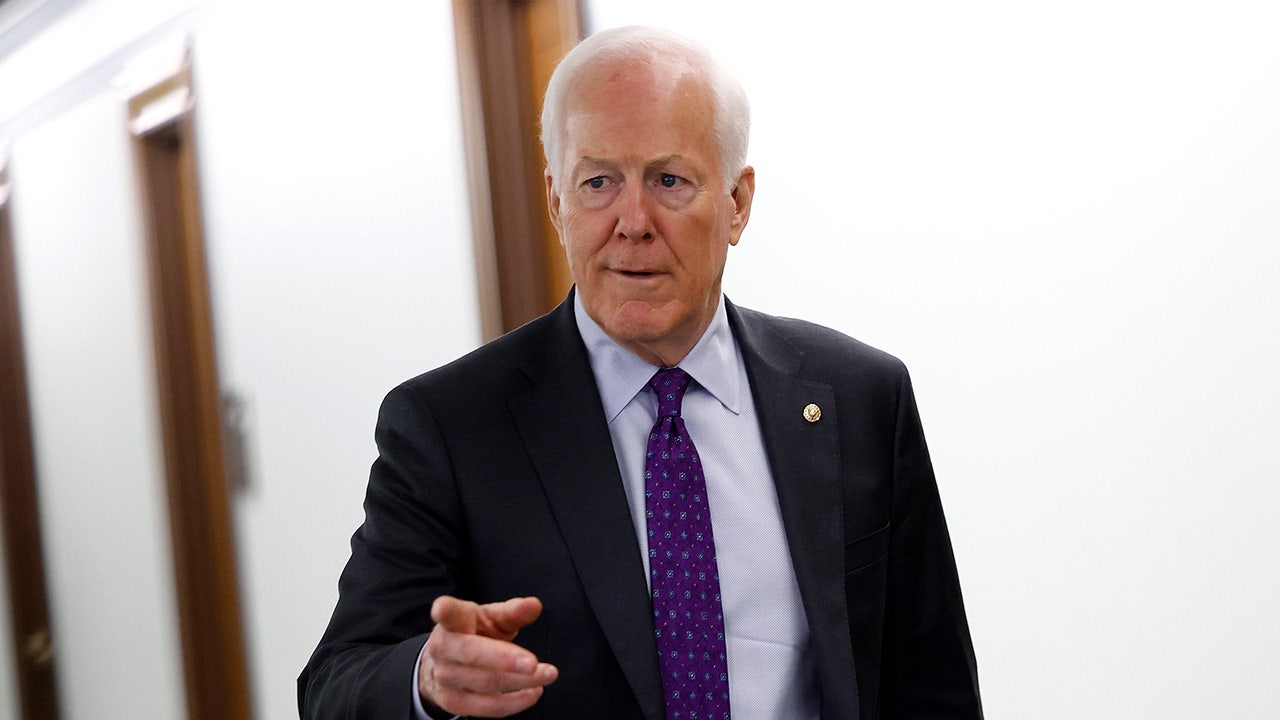
In a notable strategic shift, Senator John Cornyn signaled openness to reforming Senate procedures to help move Donald Trump’s voter ID legislation through a closely divided chamber. The move marks a departure from Cornyn’s earlier resistance to changing filibuster rules and places the 2026 election dynamics at the center of a high-stakes policy fight. As the White House urges action, Republicans must weigh the political and procedural costs of pursuing a path that upends long-standing Senate norms.
What Just Happened
Cornyn publicly urged fellow Republicans to consider filibuster reform as a means to unlock passage for Trump’s voter ID bill. The move comes after months of intra-party debate about the best method to advance a contentious measure that aims to require more stringent identification for voters. The call to revisit Senate rules signals a broader willingness among some GOP leaders to break with tradition in service of a pivotal electoral-related policy.
Public & Party Reactions
Reaction within the party has been mixed. Supporters argue that a reform-tilted approach is necessary to resolve a policy bottleneck and demonstrate a results-oriented governance posture ahead of elections. Critics warn that altering the filibuster could escalate partisan fatigue, intensify intra-party factionalism, and set a precedential gambit that may affect future bipartisan cooperation. Observers are watching how leadership consensus forms, and how rank-and-file senators respond to the pressure to choose between procedural reform and electoral signaling.
Policy Context and Strategic Implications
- The policy stakes: Trump’s voter ID bill represents a major election integrity and voter access debate, with potential implications for turnout, perceived legitimacy, and administrative efficiency at the state level.
- Filibuster reform as a tool: Using a reform framework (such as changing cloture thresholds or carve-outs) would alter the Senate’s power dynamics, enabling a path for the bill with a smaller bipartisan minority than is typically required.
- Strategic timing: With a highly charged political environment ahead of national elections, procedural decisions are increasingly weaponized as part of broader competition over who controls election outcomes and how voting is administered.
Who Is Affected
- Voters: The policy’s implementation could change how voter identification is required at the polls, influencing who can vote and how easily identify verification occurs.
- States: State election offices would navigate new federal expectations and compliance measures tied to federal identification standards.
- Political actors: Candidates, campaigns, party committees, and election administrators are all operating under an evolving procedural landscape that could affect campaign strategy and messaging.
Economic or Regulatory Impact
- Administrative costs: Implementing stricter voter ID requirements typically involves costs related to voter education, ID access, and polling logistics, which could reallocate resources within state election infrastructures.
- Compliance requirements: States may need to update voter rolls, education campaigns, and enforcement guidance, potentially increasing administrative complexity in the near term.
Political Response and What Comes Next
- Expect intensified floor debates in the Senate as leadership tests whether to pursue a filibuster modification or alternative mechanisms.
- If reform moves forward, it could trigger a broader recalibration of how cross-party cooperation is pursued on election-related legislation.
- Opponents will likely push for safeguards to preserve minority rights and avoid shifting the Electoral College or voting access landscape in ways that could be perceived as partisan advantages.
Outlook
The push for filibuster reform to advance Trump’s voter ID bill embodies a broader question about governance under pressure: can the Senate sustain its reputation for deliberation while adopting reform that accelerates a divisive policy? The 2026 cycle will test whether procedural changes can coexist with a functioning, cross-partisan legislative process or if they will deepen partisan fault lines ahead of a consequential election year. As discussions unfold, the coming weeks will reveal how much appetite exists within the GOP for altering long-standing norms—and how opponents mobilize to shape the precedent such changes would set.