Overview
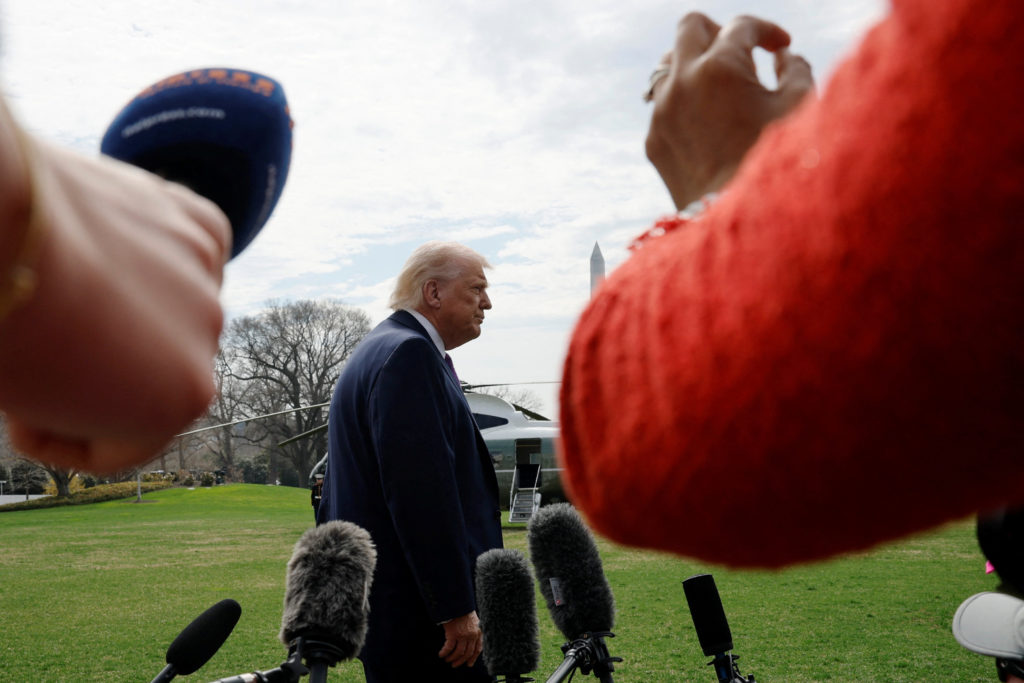
In a highly watched exchange on U.S. policy toward Iran, former President Donald Trump framed his response to the question of how to end the Iran war as “more of the same.” The remark reinforces a profile of consistency in his approach to foreign policy: prominent skepticism toward major shifts in strategy, a preference for hardline leverage, and a readiness to double down on pressure rather than pursue major diplomatic gambits. For analysts, the statement signals not a pivot toward new diplomacy but an insistence on continuing the existing pressure-driven framework, with potential implications for credibility, alliance cohesion, and long-term strategic goals.
What Just Happened
Trump’s comment suggests he views the current course—sanctions, maximum pressure rhetoric, and international pressure campaigns—as the baseline from which any further moves should be evaluated. In practical terms, that means policymakers and observers should expect few if any dramatic policy pivots in response to Iran’s evolving regional role, its nuclear ambitions, or shifts in the diplomacy landscape. Supporters may frame this as stability and decisiveness; critics will see it as risk-averse and potentially unsustainable if Iran proves more adept at navigating sanctions or exploiting diplomatic gaps.
Public & Party Reactions
Within conservative and Trump-aligned circles, the “more of the same” stance is likely to be celebrated as consistency and toughness. It may galvanize Republican base voters who favor a hardline posture and skeptical engagement with diplomacy, especially if paired with a messaging emphasis on national security and deterrence. Among opponents and moderate Republicans, the response could center on concerns about missed opportunities for diplomacy, regional stabilization, and the broader cost of protracted confrontation for American interests—economic, diplomatic, and strategic.
Policy Implications and Strategic Context
- Credibility and deterrence: Sustained emphasis on pressure can preserve a clear signal to Iran and its regional allies, but it risks eroding trust if sanctions regimes fail to deliver tangible, lasting changes. The administration would need careful messaging to avoid stagnation being read as inflexibility.
- Alliance dynamics: Traditional U.S. partners may press for renewed diplomatic channels, enhanced verification mechanisms, and a more transparent coordination framework to prevent miscalculations. Any perceived rigidity could complicate coordination with allies in Europe, the Middle East, and within multilateral forums.
- Diplomatic opportunities: Even a “more of the same” posture might still accommodate targeted diplomacy—narrow, confidence-building steps, or parallel negotiations addressing specific issues (nuclear restrictions, regional security, or hostage dynamics). The key question is whether such steps would be framed as incremental tweaks or as meaningful de-risking measures.
- Domestic political signaling: A stance of continuity resonates with voters who prioritize strong national defense and predictable policy trajectories. However, it can also invite critiques about missed chances to re-engage diplomacy or to address the humanitarian and economic costs of sanctions on civilians.
- Economic considerations: Sanctions-heavy strategies carry visible tolls on energy markets, supply chains, and global oil dynamics. Policymakers must weigh the economic ripple effects against strategic aims, ensuring that domestic economic resilience remains a parallel objective.
What Comes Next
- Strategic clarity: The administration or future leadership facing Iran would benefit from articulating a coherent set of red lines, achievable milestones, and a timetable that bridges deterrence with the possibility of diplomacy. Even minimal shifts—such as enhanced regional crisis management or flexible sanctions relief tied to verifiable steps—could recalibrate incentives without abandoning the core pressure framework.
- Diplomatic entry points: Expect negotiations to re-emerge in some form, likely driven by Iranian calculations about sanctions relief, regional influence, and domestic political pressures. Any renewed talks would require careful sequencing to avoid conceding too much too soon while signaling genuine openness to progress.
- Communications discipline: Framing is crucial. A message of steadfastness must be balanced with transparent criteria for evaluating progress, to maintain domestic support while preventing interpretations of inaction from stoking regional instability or allied distrust.
Tone and Takeaway
This moment crystallizes a broader theme in contemporary U.S. foreign policy: the tension between steadfast pressure and the pragmatic opportunities for diplomacy. By signaling “more of the same,” the discourse elevates deterrence as the default, but it also invites scrutiny from allies, adversaries, and domestic constituencies about whether escalation alone suffices to resolve a long-running regional challenge. For observers and decision-makers, the central question is whether the current approach yields sustainable strategic gains or if a calibrated opening—however limited—could unlock a more durable peace without sacrificing essential security assurances.