Overview
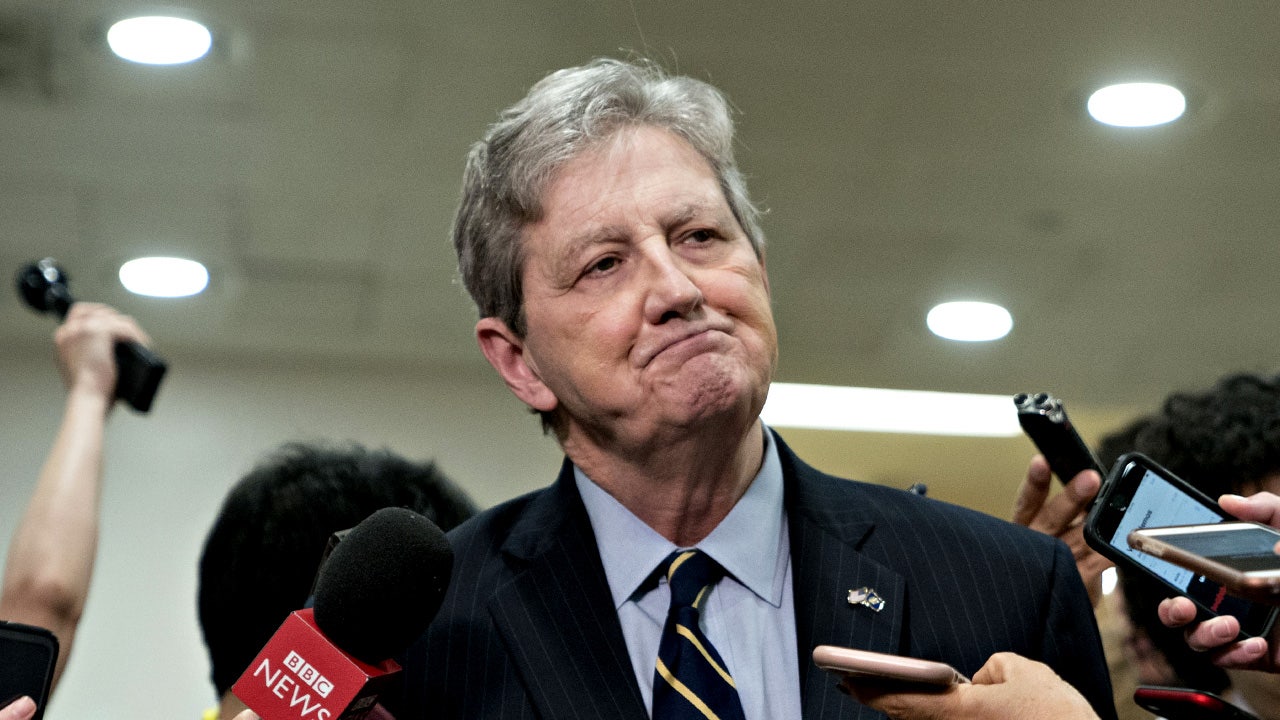
A tense moment at a Senate hearing underscored the high-stakes clash over federal policy and the rhetoric surrounding population and demographic priorities. A Democrat-called witness alleged the Trump administration pursued a “population purge,” a charge that triggered a forceful, if candid, rebuttal from Senator John Kennedy (R-La.). The exchange captured the high-decibel dynamic of a Capitol Hill landscape where policy arguments collide with framing, optics, and electoral calculations.
What Just Happened
During a recent Senate hearing, a witness testifying on a matter of federal policy leveled a provocative accusation at the Trump administration, invoking the phrase “population purge.” The phrase is loaded with moral and political weight, intended to signal drastic shifts in how federal programs or regulatory actions could affect demographic groups or population management policies. In quick succession, Senator Kennedy pushed back with a blend of humor and forceful skepticism, signaling that inflammatory rhetoric can derail policy discussions and complicate pragmatic governance.
Public & Party Reactions
The exchange quickly became a focal point for partisan commentators and lawmakers. Supporters of the administration framed the incident as a distraction from substantive policy debates, emphasizing the need to focus on outcomes, efficiency, and legal constraints. Critics seized on Kennedy’s response as an example of maintaining guardrails against hyperbole in Congress while still acknowledging the seriousness of alleged policy overreach. The moment fed into broader conversations about how the administration communicates with Congress and how legislators hold federal agencies accountable without veering into sensationalism.
Contextual Background
Policy debates that orbit population management and regulatory actions are perennial in Washington, often resurfacing as hearings examine federal funding, social programs, or health and welfare initiatives. The rhetoric around “population” as a political lever has a long history, including disputes over resource allocation, program eligibility, and statutory authority. This incident reflects the current moment’s heightened sensitivity to such terms and the political risks of any perceived overreach.
Policy Stakes and Implications
- Substance vs. rhetoric: The core issue is whether federal policies are aligned with legal frameworks, administrative prudence, and evidence-based outcomes, or whether political narratives are driving policy design.
- Governance and oversight: The hearing highlighted ongoing tensions between Congress and the executive branch over oversight of regulatory actions, funding allocations, and program integrity.
- Public confidence: How lawmakers handle provocative claims matters for public trust in institutions. Clear, evidence-driven discussion can help, while inflammatory language risks polarization.
What Comes Next
Observers should watch for:
- Follow-up testimony and data disclosures that clarify the scope of the policy in question and any measurable impacts on populations.
- Committee responses, including potential subpoenas, amendments to legislation, or new oversight measures aimed at ensuring accountability.
- Broader political dynamics as the administration seeks to defend its regulatory posture while opponents push back with accusations of overreach or mischaracterization.
Longer-Term Significance
The episode illustrates how symbolic language in policy debates can shape legislative trajectories and public perception. As Congress weighs regulatory actions and program design, lawmakers will likely seek to anchor discussions in verifiable data, judicial boundaries, and transparent decision-making processes to avoid fuel for partisan fires. The degree to which such exchanges influence legislative outcomes may hinge on committee leadership, the availability of independent analyses, and the ability of policymakers to translate heated rhetoric into durable governance decisions.