Overview
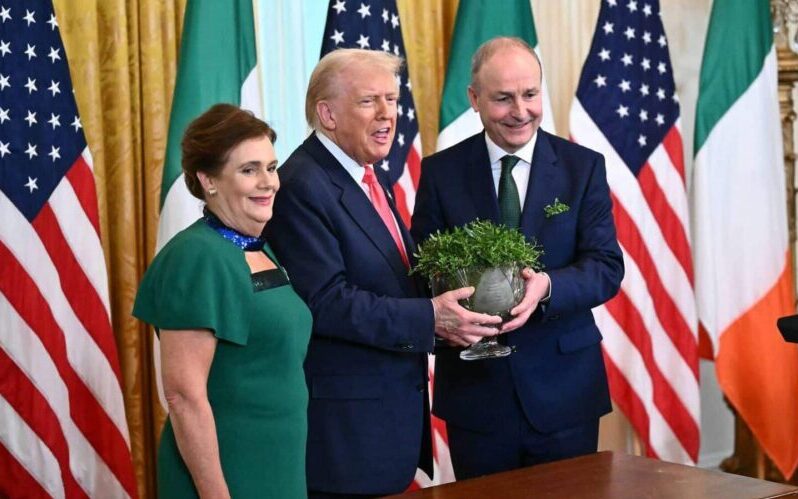
In a 37-minute exploration of the state of Irish America, recent political analysis turns on a familiar tension: is Ireland’s influence waning in the United States, or can cultural symbolism—most notably St. Patrick’s Day—be leveraged to sustain a strategic edge? As Irish heritage remains a visible thread in American political life, observers ask whether soft power tactics can translate into tangible policy outcomes, electoral leverage, or bipartisan goodwill.
What Just Happened
The discussion centers on two converging ideas. First, the enduring presence of Irish American communities in major political hubs and the role they play in fund-raising, canvassing, and media narratives. Second, the continued ceremonial significance of St. Patrick’s Day as a platform for bilateral messaging and cultural diplomacy. The core question: does the ceremonial resonance translate into measurable political capital for Ireland, or has the moment passed in a landscape of shifting demographics, evolving ethnic identities, and a crowded policy agenda?
Public & Party Reactions
Within political circles, reactions are mixed. Some lawmakers emphasize the value of historical ties, trade relationships, and shared values as justification for continued support and engagement with Irish partners. Others caution against overreliance on symbolic gestures, urging a focus on concrete policy outcomes—trade access, security cooperation, climate collaboration, and cross-Atlantic regulatory alignment—that matter to voters across the political spectrum. The media narrative reflects a broader debate: is soft power a durable instrument in an era of domestic priorities and rising skepticism toward foreign entanglements, or can carefully timed symbols catalyze durable policy gains?
Policy Implications for 2026 and Beyond
- Diplomacy through symbolism vs. substantive policy: The tension between cultural diplomacy and concrete outcomes remains central. Soft power can smooth the path for negotiations on trade, defense cooperation, and immigration policy, but it must be backed by tangible benefits to U.S. households and businesses.
- Irish policy priorities in a polarized environment: Ireland’s ability to influence U.S. policy may hinge on aligning with bipartisan concerns—economic growth, green technology collaboration, and the integrity of the Common Travel Area. Advocates argue that a practical agenda, not just symbols, will determine lasting leverage.
- The role of Irish American donors and domestic politics: Donor networks and political action committees with Irish American ties can affect campaign messaging and candidate appeals around cultural heritage, immigration reform, and transatlantic trade. However, the impact will depend on whether campaigns translate cultural affinity into policy commitments that resonate with a broad electorate.
What Comes Next
Looking ahead to 2026, three trajectories shape the outlook:
- Reinforced symbolic diplomacy: Expect more high-visibility events tied to St. Patrick’s Day and other cultural observances, paired with renewed cultural exchange programs and joint public diplomacy messaging.
- Policy-driven engagement: Expect focused proposals on trade, cybersecurity collaboration, climate resilience, and pharmaceutical regulation that leverage transatlantic norms to appeal to both sides of the aisle.
- Electoral and constituency dynamics: Irish American constituencies may influence local and national debates on immigration policy, economic development, and international investment, but success will require translating heritage into measurable benefits for diverse voters.
Conclusion
The question of Ireland’s soft power in the United States is not binary. Symbolic ties and cultural milestones will continue to open doors, yet lasting influence depends on delivering concrete policy outcomes that align with American priorities. As the White House spotlights St. Patrick’s Day and Irish diplomacy continues to evolve, the most effective strategy blends cultural resonance with tangible, bipartisan policy accomplishments that advance both U.S. and Irish interests.