Overview
A prominent Republican voice recently framed the prospect of Sharia law as a “serious problem” in the United States, arguing that its tenets conflict with the Constitution. The remark underscores a broader, ongoing debate within conservative policy circles about religion, law, and governance in America. Analysts say the discussion is less about imminent policy changes and more about shaping public perception, coalition-building, and outlining a regulatory or legislative agenda for the 2026 political cycle.
What Just Happened
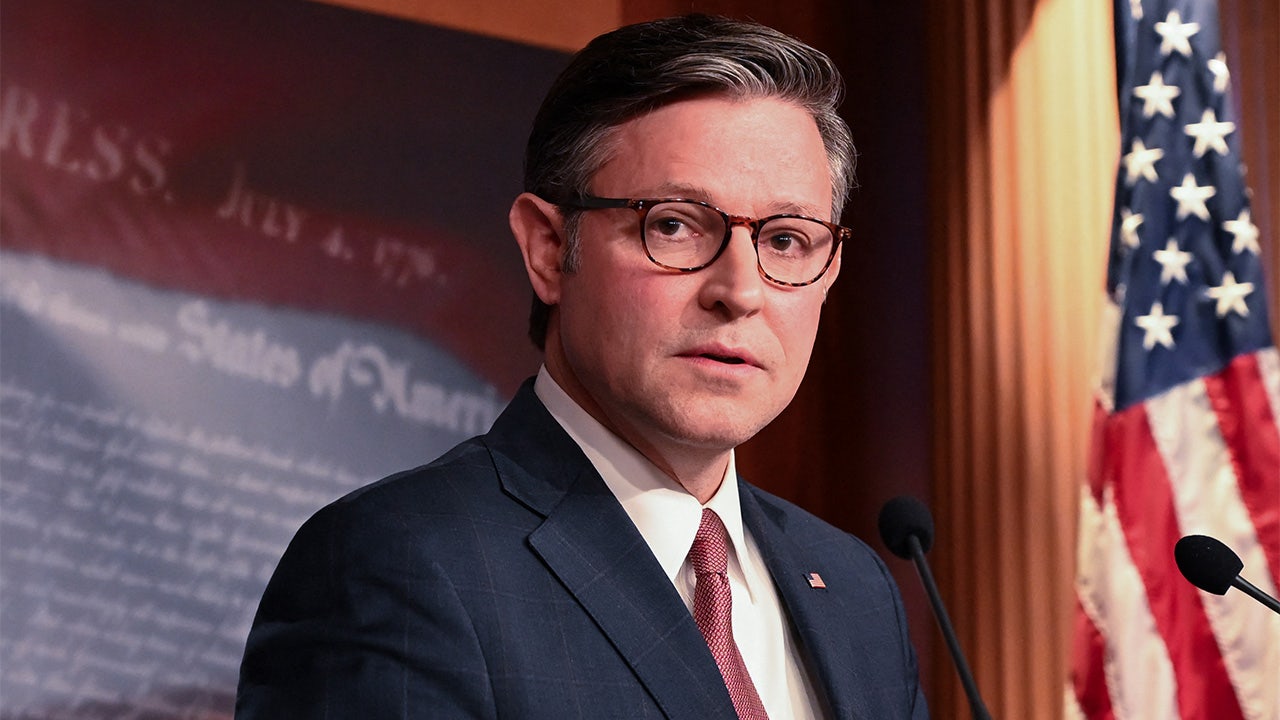
In a public appearance, Speaker Mike Johnson drew attention to what he described as a potential threat from Sharia principles seeping into American institutions. The comments align with a long-standing conservative concern that some religious or cultural frameworks could challenge constitutional guarantees, especially around free speech, religious liberty, and equal protection under the law. While proponents argue for vigilance against any legal framework that undermines constitutional rights, critics caution that fear-driven rhetoric can polarize policy debates and distract from practical governance.
Public & Party Reactions
Within conservative circles, the remarks are likely to energize a faction prioritizing constitutional integrity and litigation-ready oversight. Critics inside the broader political spectrum may view the talk as a signaling tactic meant to mobilize a base around cultural and religious issues rather than to push concrete policy proposals. The dialogue has the potential to influence party messaging on civil liberties, immigration, and education policy, particularly around coursework, faith-based school governance, and community standards.
Policy Snapshot
The core of the discussion centers on safeguarding constitutional guarantees while remaining vigilant against any legal regime or doctrinal tenet that could undermine secular governance or equal protection. Policy conversations may focus on:
- Strengthening oversight mechanisms for institutions with significant public impact (education, judiciary, and government-adjacent organizations).
- Clearing ambiguities between religious liberty protections and anti-discrimination laws.
- Considerations for civil liberties in the context of national-security or immigration policy debates.
Who Is Affected
Citizens who interact with public institutions—schools, courts, and government services—could feel the ripple effects of heightened scrutiny. Advocacy groups, religious organizations, and civil-liberties nonprofits may become more active in legal challenges or policy submissions, seeking to clarify boundaries between faith-based practices and constitutional rights.
Economic or Regulatory Impact
Direct economic impacts are not immediately evident. However, the rhetoric can influence regulatory priorities and funding decisions, particularly for education, social services, and community programs that operate at the intersection of faith, culture, and public life. If policy proposals advance, potential costs could include:
- Compliance requirements for institutions to demonstrate adherence to constitutional principles.
- Increased training or oversight to ensure non-discrimination in public programs and procurement.
- Possible legal costs associated with new or clarified regulatory standards.
Political Response
The discourse is likely to shape intra-party dynamics as lawmakers position themselves on cultural-legal issues. It may affect committee assignments, public messaging, and the crafting of future legislative packages related to religious liberty, anti-discrimination enforcement, and national-security policy. National political consultants could see this as a strategic pivot to mobilize supporters around core constitutional values, especially in a climate where cultural issues influence primary and general election outcomes.
What Comes Next
Observers expect continued emphasis on how constitutional principles intersect with religious expression and public life. Potential next steps include:
- Legislative drafts addressing the balance between religious freedom and equal protection.
- Hearings or inquiries on civil-liberties safeguards within federal and state agencies.
- Public messaging campaigns designed to reassure or recalibrate voter concerns around religious and constitutional boundaries.
Context
The remarks arrive amid a broader 2026 policy environment where debates about regulation, governance, and civic identity are prominent. While the immediate focus is on constitutional compatibility, the longer-term effect could be a clarifying moment for GOP strategy, influencing how party leaders frame future policy priorities related to religion, education, civil rights, and national security.
Immediate Reactions
- Political observers will watch for how this rhetoric translates into legislative action or budget priorities.
- Legal scholars may weigh in on constitutional interpretations and potential challenges to regulatory proposals.
- Civil-society groups are likely to capitalize on the moment to advocate for robust protections of religious liberty coupled with nondiscrimination standards.
Long-Term Significance
This discourse signals a potential shift toward more explicit framing of constitutional boundaries in policy debates. Depending on how it evolves, it could affect candidate alignment, legislative agendas, and voter mobilization around values-based governance in the 2026 election cycle. The interplay between religious liberty, civil rights, and regulatory oversight will remain a key lens through which analysts assess policy trajectories and political risk.