Overview
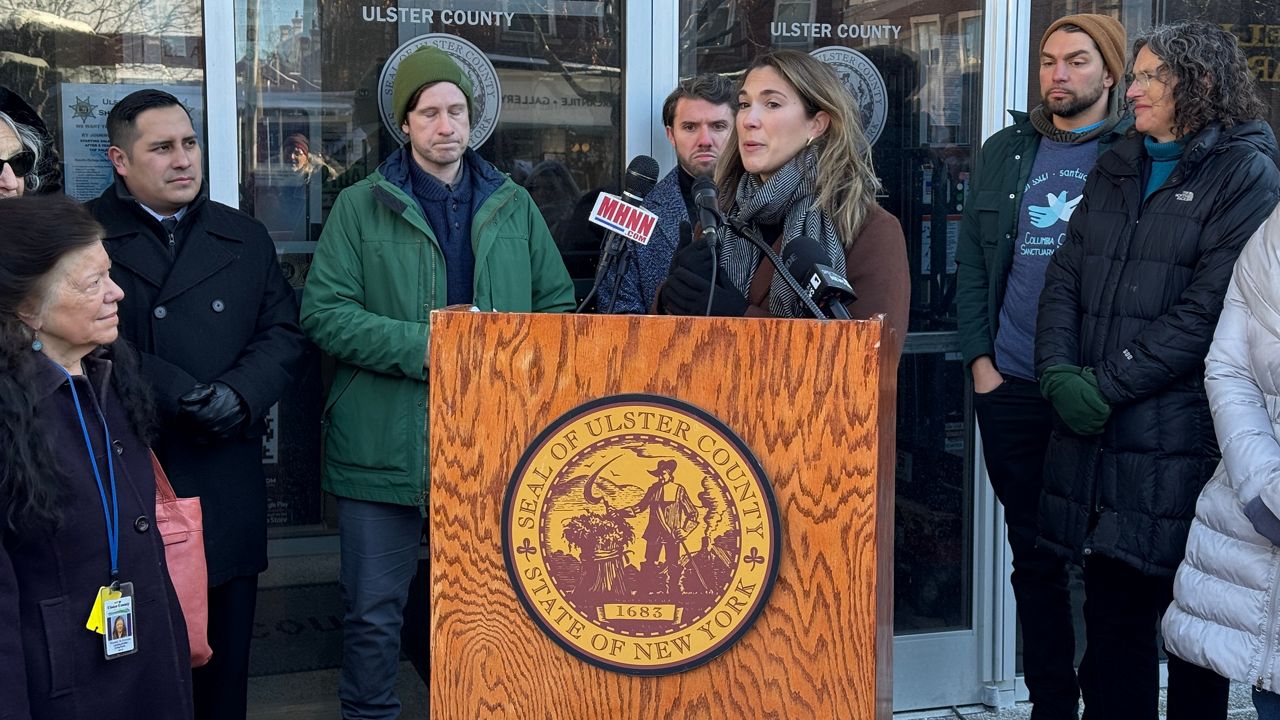
A new local policy initiative seeks to pilot a property tax exemption for full-time residents in Ulster County, backed by Senator Michelle Hinchey and County Executive Jen Metzger. The proposal envisions a targeted tax relief program designed to ease the cost of homeownership for households with deep roots in the community. While framed as a practical tool for housing affordability and stabilizing local demographics, the plan also raises questions about budgetary trade-offs, equity, and administrative practicality.
Policy Snapshot
- What’s being proposed: A pilot program offering property tax exemptions to residents who meet full-time residency criteria within Ulster County.
- Intent: To incentivize long-term settlement, reduce annual carrying costs for homeowners, and support community stability in a region facing housing pressures.
- Scope: Details are still being refined, including eligibility thresholds, exemption size, duration of the pilot, and funding mechanisms.
- Governance: The bill would require cooperation between state lawmakers, county officials, and local assessing authorities to define “full-time resident” metrics and administer the exemption.
Who Is Affected
- Primary beneficiaries: Homeowners and property owners who meet full-time residency criteria and qualify under the program’s rules.
- Indirect effects: Renters could experience downstream impacts through housing market dynamics, potential shifts in rental values, and changes in local tax revenue allocations that fund schools, infrastructure, and public services.
- Stakeholders: Local residents, real estate professionals, school districts, municipal services, and the county budget office.
Economic or Regulatory Impact
- Budget implications: The exemption would reduce property tax receipts for the county and possibly schools and municipalities funded by levies, necessitating careful calibration to avoid service gaps.
- Market signals: If successful, the policy could encourage longer-term occupancy and reduce turnover, potentially stabilizing neighborhoods and contributing to predictable funding streams for essential services.
- Administrative considerations: Implementing clear residency verification, preventing abuse, and maintaining transparent reporting will be central to program integrity. The pilot’s outcome will influence whether the policy expands or is scaled back.
Political Response
- Local champions: Supporters argue the policy aligns with a practical, citizen-focused approach to governance, directly addressing housing affordability and community retention.
- Potential criticisms: Opponents may contend that exemptions create unequal treatment among taxpayers, shifting tax burdens onto non-qualifying residents or businesses. Questions about fairness, fiscal sustainability, and regional competitiveness may surface.
- Partisan dynamics: As a local initiative with state involvement, the proposal could become a priority for lawmakers seeking tangible, governance-oriented reforms, while attracting scrutiny over budgetary impacts.
What Comes Next
- Legislative pathway: The bill will move through state and local committees, with hearings likely to explore eligibility criteria, cost estimates, and governance structures.
- Study and evaluation: If enacted as a pilot, stakeholders will monitor participation rates, fiscal effects, housing stability metrics, and community sentiment to determine scalability.
- Communications and outreach: Clear information campaigns will be needed to explain eligibility, application processes, and the long-term goals of the program to residents and property owners.
Context and Outlook
This initiative sits at the intersection of housing policy, local governance, and fiscal stewardship. By targeting full-time residents, Ulster County aims to cultivate stable neighborhoods and a more predictable tax base, while also navigating the trade-offs that come with tax relief measures. The policy could signal a broader trend toward targeted, place-based relief tools at the state-local level, especially in regions balancing housing affordability with budget realities.
In a broader 2026 policy landscape, the proposal reflects a pragmatic approach to local challenges: address the cost of ownership for dedicated residents, maintain essential public services, and test governance mechanisms that could inform similar efforts elsewhere. The coming months will reveal whether this pilot can balance equity, fiscal integrity, and community vitality without imposing undue burdens on other taxpayers.