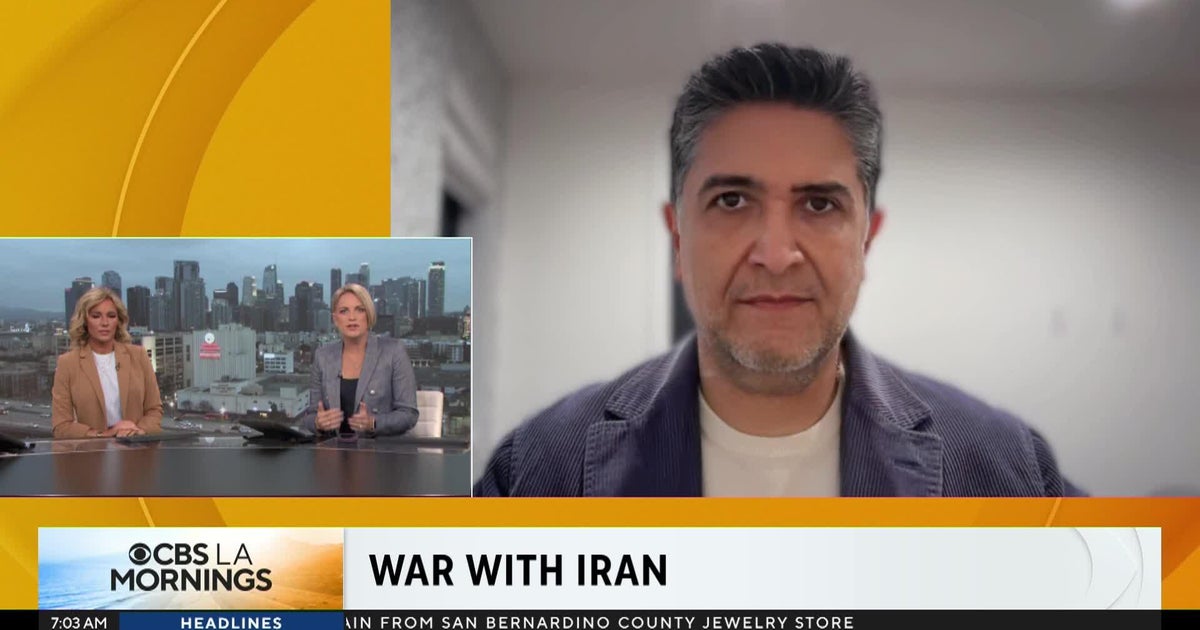
Situation Brief
Tensions surrounding Iran have escalated, drawing renewed attention to how Washington pursues deterrence, diplomacy, and alliance coordination in a volatile Middle East theater. Recent developments—ranging from retaliatory strikes and proxy-armed activity to renewed rhetoric about enrichment and regional influence—underscore a crisis that is as much about signaling and stamina as it is about immediate tactical outcomes. For U.S. policymakers, the core questions are how to prevent a broader confrontation, preserve freedom of navigation and energy flows, and maintain credible deterrence against both Tehran’s nuclear ambitions and its auxiliary efforts across the region.
Strategic Stakes
The central dilemma is clear: Iran is testing the limits of international norms and Western flexibility at a moment when U.S. options are constrained by domestic political dynamics and coalition pressures. The administration faces pressure to demonstrate resolve without triggering an escalation loop that could widen conflict with Iran or draw regional allies into unintended confrontations. Key strategic levers include sanctions enforcement, enforcement of international maritime norms, cyber and space-domain resilience, and calibrated diplomatic outreach aimed at de-risking potential miscalculations.
Impact on U.S. Interests
- Security: Any miscalculation threatens regional stability and could disrupt oil markets, which would reverberate through global supply chains and inflation dynamics in the United States.
- Alliances: The U.S. must balance pressure on Iran with maintaining robust cooperation from partners in Europe, the Gulf, and beyond. Synchronizing messaging and sanctions while avoiding rifts with allies remains a delicate task.
- Diplomacy vs. Deterrence: Washington is navigating a spectrum between potent economic penalties and strategic engagement channels that can reduce risk, while preserving a credible warning against further escalations.
Global Power Dynamics
Iran’s actions are positioned within a broader contest for regional influence among major powers, including Russia and China, both of which have shown appetite for expanding relationships in the volatile Middle East. The dynamic complicates the U.S. goal of a stable, rules-based order in a critical corridor for energy and commerce. Washington’s response will likely center on reinforcing regional security architectures, leveraging sanctions coalitions, and enhancing intelligence-sharing with trusted partners to pre-empt and deter destabilizing moves.
Forward-Looking Risks
- Escalation Trap: A misinterpreted move by either side could spark an inadvertent cycle of retaliation, pulling in proxies and increasing civilian harm.
- Nuclear Containment: Efforts to constrain Iran’s nuclear program remain a high-stakes objective. Any perceived weakening could trigger renewed international commitments and domestic political pressure.
- Diplomatic Deadlock: If talks stall, the risk rises of a protracted standoff with limited overt progress, which could embolden hardliners within Iran and complicate regional diplomacy.
- Economic Fallout: Sanctions regimes, if broadened or tightened, could ripple through global markets, affecting energy prices and inflation in democracies already grappling with cost-of-living pressures.
What Comes Next
Analysts expect a multi-track approach from Washington: a measured blend of sanctions enforcement and targeted diplomacy, combined with reinforced deterrence through allied naval presence and intelligence coordination. Expect increased emphasis on signaling aimed at deterring provocative steps by Tehran, while keeping doors open for negotiations on nuclear constraints and regional behavior. Domestic considerations in the United States—economic resilience, defense budgeting, and bipartisan consensus on foreign policy—will shape how assertive or restrained the administration can be.
Policy and Political Context
This moment sits at the intersection of hard-power signaling and strategic risk management. For U.S. policymakers, the objective is not merely to punish or placate Tehran, but to sustain a credible, adaptable strategy that can withstand shocks—whether from domestic politics, regional actors, or external powers seeking to exploit uncertainty. The coalition framework remains pivotal; Washington will likely continue to cultivate and rely on Gulf partners, European allies, and select regional actors to maintain pressure while safeguarding stability and access to essential resources.
Bottom line
The evolving Iran scenario is a stress test for U.S. policy: how to deter dangerous moves, preserve leverage for diplomacy, and maintain a coherent line across diverse actors and theaters. As events unfold, the core question is whether Washington can translate firm restraint into strategic advantage—keeping Iran from crossing irreversible thresholds while managing the broader contest for regional and global influence. For observers and decision-makers alike, the coming weeks will reveal whether diplomacy can regain momentum or whether the conflict settles into a protracted, high-stakes standoff.