Overview
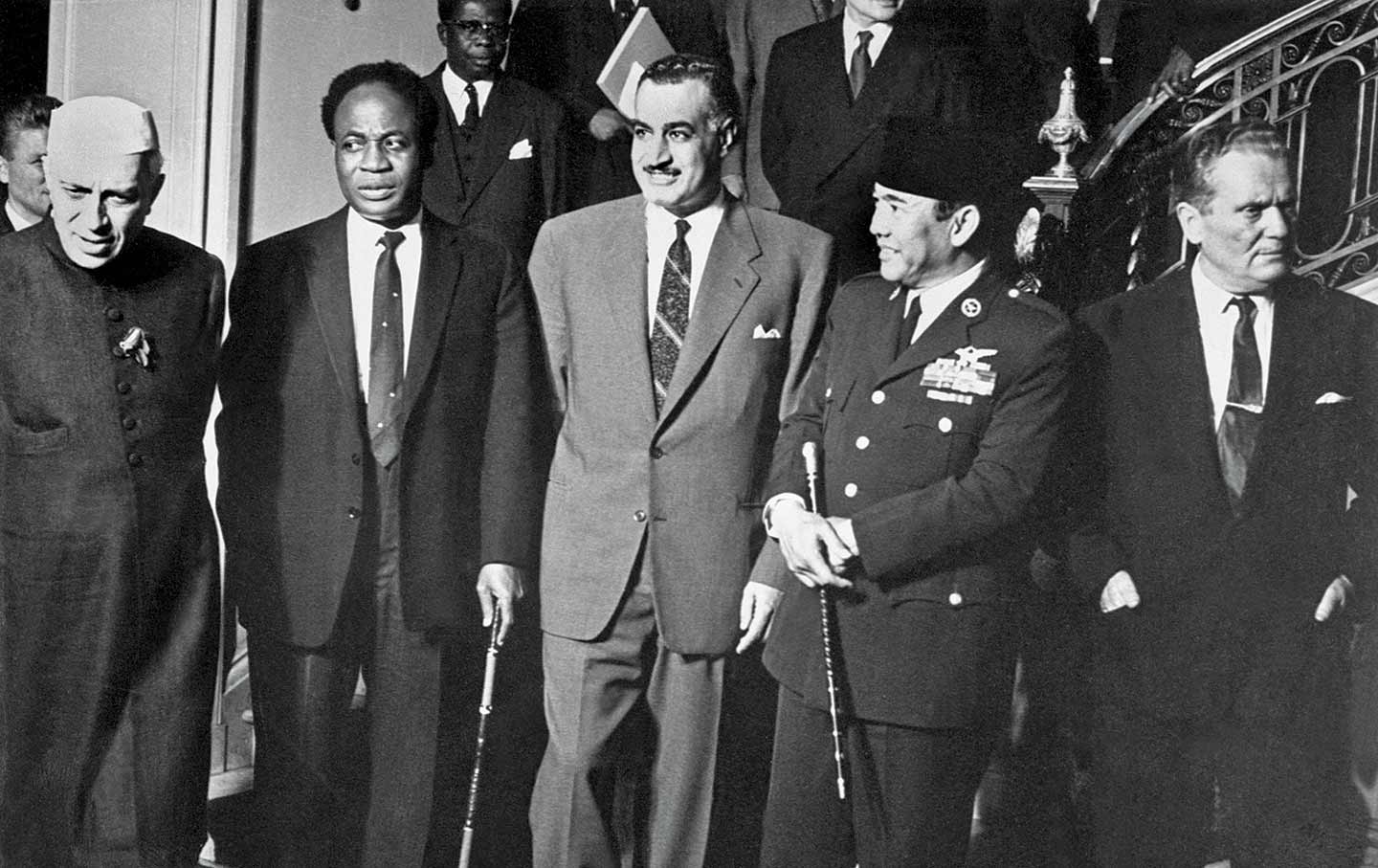
Kwame Nkrumah’s story remains a touchstone for understanding how liberation movements reshaped global politics—and how their legacies continue to influence contemporary governance, diplomacy, and economic strategy. Recent scholarly and journalistic explorations trace Nkrumah’s leadership in Ghana and how his push for Pan-African solidarity intersected with the American civil rights era. This analysis synthesizes those threads to map why Nkrumah’s approach matters for policymakers, investors, and citizens navigating a multipolar world in 2026.
Situation Brief
Nkrumah emerged as a central figure in Africa’s mid-20th-century push against colonial rule, advocating a bold project of economic independence, social welfare, and political unity. His emphasis on sovereignty, development planning, and international nonalignment challenged traditional power centers and inspired movements across the continent. The broader arc reveals how decolonization, Cold War dynamics, and transatlantic civil rights activism converged to redefine authority, legitimacy, and governance models worldwide.
Strategic Stakes
The central stakes revolve around sovereignty vs. global influence, state-led development vs. market liberalization, and regional integration as a pathway to resilience. Nkrumah’s era tested the balance between progressive social investment—education, health, infrastructure—and the pressures of maintaining strategic autonomy amid competing global blocs. The lessons appear relevant for today as emerging economies navigate debt, investment, and security guarantees in a contested geopolitical landscape.
Impact on US Interests
For the United States, the narrative of Nkrumah’s leadership offers a sobering mirror on how allied nations pursue development models that diverge from orthodox approaches. It underscores the importance of credible, inclusive governance in stabilizing regions critical to energy security, supply chains, and strategic competition. The civil rights movements in the United States historically influenced international norms around justice and democracy; conversely, Nkrumah’s internationalism helped shape African voices within global forums. The cross-pollination of ideas highlights opportunities and tensions in U.S.-Africa relations, foreign assistance, and multilateral engagement today.
Global Power Dynamics
The legacy of Nkrumah-era strategies remains instructive as global power realignments unfold. Africa’s strategic importance—its natural resources, youthful populations, and regional trade corridors—places it at the center of competing visions for development and governance. In parallel, Western, Asian, and regional powers seek to shape economic and political outcomes through investment, diplomacy, and security partnerships. The enduring question is how to balance sovereignty with cooperation in a world where influence is increasingly segmented among diverse actors.
Forward-Looking Risks
- Debt sustainability and the viability of large-scale development programs without compromising social protections.
- The risk of political backsliding if governance remains bifurcated between elite interests and mass empowerment.
- The potential for external actors to leverage regional fragilities for strategic leverage, complicating nation-building efforts.
- The challenge of translating historical liberation narratives into modern, inclusive economic policy that supports growth and stability.
Policy Implications for 2026 and Beyond
- Emphasize democratic governance and accountability in development strategies to sustain legitimacy and reduce corruption risk.
- Foster regional integration initiatives that expand intra-African trade, enhance infrastructure, and improve resilience to shocks.
- Align civil rights-inspired social protections with credible economic policies to build broad-based support for reform.
- Encourage transparent foreign partnerships that prioritize local capacity, technology transfer, and long-term sovereignty over resource extraction.
What Comes Next
For policymakers and observers, the Nkrumah legacy offers a framework to assess how liberation-era ideals translate into contemporary governance outcomes. The focus should be on pragmatic, rights-centered development that respects sovereignty while encouraging inclusive growth. As Africa and other developing regions exert greater influence on global affairs, U.S. strategy should adapt to these shifts—engaging in principled diplomacy, fair trade, and sustained investment in human capital. The aim is to build durable partnerships that advance security, prosperity, and dignity for people both in Africa and around the world.
Conclusion
Nkrumah’s story is more than a historical portrait; it is a lens for understanding how decolonization, civil rights, and global leadership intersect in today’s political economy. By studying the successes, tensions, and legacies of his era, analysts and policymakers can craft strategies that are principled, practical, and responsive to a rapidly evolving international order.