Overview
In the wake of a fraught midterm cycle, Trump’s latest public messaging signals a deliberate bid to redefine the political conversation as the 2026 election landscape takes shape. Analysts say the plan blends rally-style persuasion with targeted outreach aimed at key Republican constituencies, while also testing the boundaries of party unity. The signal is clear: Trump intends to remain at the center of the Republican narrative, shaping candidate conversations and motivating a base that remains highly energized but strategically volatile.
What Just Happened
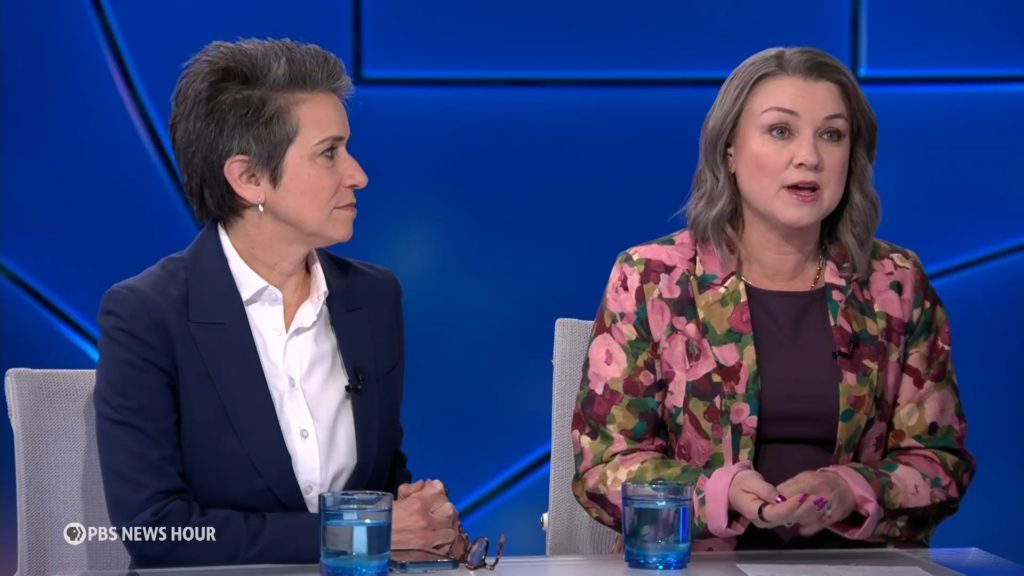
Public commentary from veteran political observers, including Tamara Keith and Amy Walter, highlights a concerted effort to frame the midterms as a referendum on the former president’s leadership and a broader test of the party’s responsiveness to voters’ concerns. The messaging rollout leans on a mix of populist themes (crime, immigration, economic anxiety) and affirmations of party discipline, designed to keep the coalition intact while pressing for policy and personnel choices aligned with Trump’s core priorities. At the same time, Trump aides are signaling a willingness to draw sharp contrasts with opponents, potentially pressuring rivals to align with or repudiate his agenda.
Public & Party Reactions
Within GOP circles, reactions are a blend of cautious optimism and wary caution. Supporters view the messaging as essential to mobilize a high-turnout base and to keep pressure on swing voters who may be receptive to economic or cultural arguments. Critics, including some establishment Republicans, worry that the strategy could widen intra-party fault lines or provoke backlash if the messaging appears to oversimplify complex policy debates. Democrats, meanwhile, closely monitor the messaging cadence for potential vulnerabilities or missteps that could be leveraged in the 2026 campaign environment.
Strategy in Focus
The core of the discussion centers on how Trump’s midterm messaging translates into long-term political leverage. Key questions include:
- Will the messaging translate into durable coalition-building, or will it intensify factional tensions within the party?
- How will Trump navigate policy specificity versus broad, emotionally resonant appeals?
- What role will faith, national security, and economic talk play in shaping voter perception ahead of 2026?
Political observers note that the effectiveness of this approach hinges on disciplined delivery, credible policy anchors, and the ability to maintain unity while pushing a distinctive, high-visibility agenda. The challenge for Trump and allied candidates is to convert robust enthusiasm into practical support that translates into durable policy influence and electoral gains.
What Comes Next
Looking ahead, several dynamics could shape the trajectory of Trump’s midterm messaging strategy:
- Candidate alignment: Whether allied candidates adopt a coherent version of the messaging or pursue divergent paths could determine the strength of the movement’s overall brand.
- Policy specificity: The extent to which the campaign articulates clear policy proposals will influence perceived credibility and governance readiness.
- Regulatory considerations: Any push for regulatory changes tied to campaign themes may trigger scrutiny from Democrats and independent watchdogs regarding feasibility and impact.
- Electoral environment: As the 2026 landscape evolves, the messaging may adapt to shifting concerns—economy, public safety, and cultural battles—while attempting to maintain a steady focus on core themes.
Context and Implications
The 2026 political cycle arrives with heightened scrutiny of political rhetoric, campaign finance considerations, and the balance between populist messaging and governance realism. Trump’s midterm messaging is a bellwether for how the Republican coalition intends to compete: with a bold, unambiguous voice that seeks to mobilize the base while negotiating with a broad electorate desperate for tangible policy outcomes. Observers will watch not only the content of the messages but how they are deployed across rallies, interviews, and digital platforms, and how opponents respond with counter-messaging that can either dilute or amplify the impact.
Why it matters for voters
For voters navigating a crowded political field, the midterm messaging signals what issues may dominate in 2026 and how candidates will frame discussions about crime, economy, immigration, and national identity. The degree to which this messaging translates into credible policy proposals, effective governance, and responsive leadership will influence voter confidence and decision-making in the pivotal years ahead.
Note: The article focuses on strategic dynamics, messaging tactics, and potential effects on the 2026 election landscape, with attention to party cohesion, voter outreach, and policy signaling.