Overview
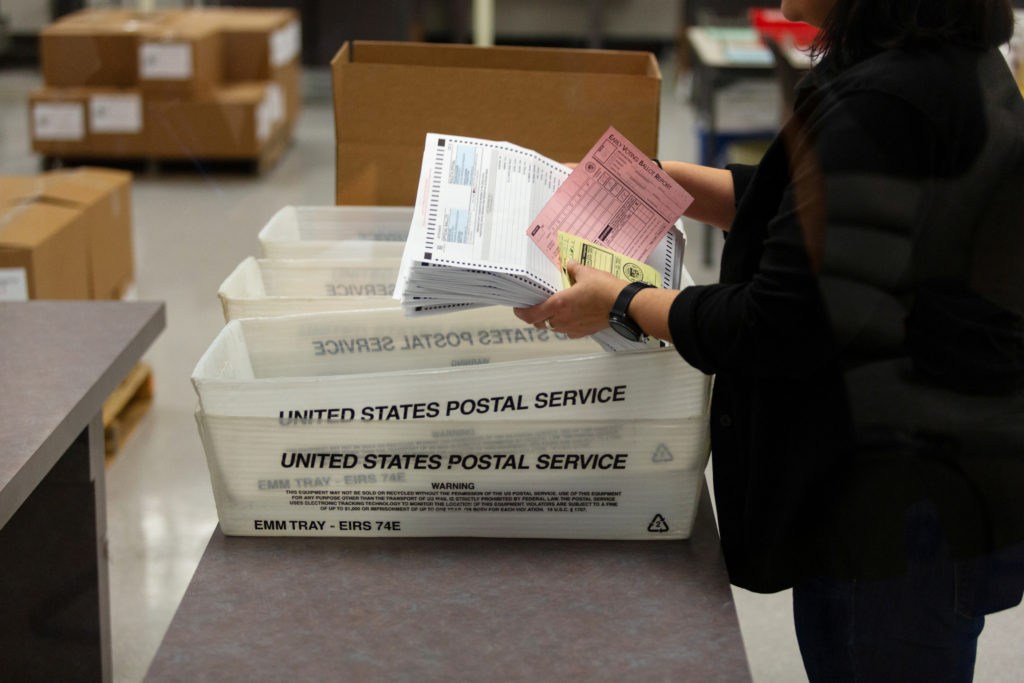
Arizona’s political frontier is once again becoming a focal point in the broader interplay between federal investigations and Republican party strategy ahead of the 2026 elections. The Republican leader of Arizona’s state Senate disclosed that he has provided FBI agents with records tied to the 2020 presidential race. The move underscores ongoing federal scrutiny of former President Donald Trump’s widening falsehoods about the outcome in the state and signals how party leaders are navigating investigations while calibrating messaging and policy posture for upcoming campaigns.
What Just Happened
- A key figure in Arizona’s Senate leadership delivered election-related files to the FBI, expanding the public footprint of the federal inquiry into the 2020 race.
- The development reflects the federal government’s continued attention to allegations that have surrounded the 2020 election and attempts to challenge or cast doubt on the results.
- While the action is procedural on its face, it carries heavier electoral and political signaling, particularly for Republican officials who must balance loyalty to the party’s narrative with the practical demands of governance and accountability.
Public & Party Reactions
- Republican voices may frame the records transfer as part of a broader effort to cooperate with federal authorities and to improve transparency around election administration.
- Critics within and outside the party are likely to view the move as a barometer of how Republican leadership is handling the aftermath of election-fraud allegations, emphasizing or questioning reliability and legitimacy depending on ideological alignment.
- Democrats and election-integrity advocates are expected to use the development to press for continued reforms, oversight, and clarity around the 2020 election processes, arguing that transparency helps protect confidence in future elections.
Policy Snapshot: What This Means for Election Oversight
- This episode highlights the persistent tension between partisan narratives and factual accountability in the aftermath of contested elections.
- It underscores a broader trend of increased federal involvement in election integrity matters, with potential implications for how states cooperate with investigations and how records are requested, preserved, and analyzed.
- The episode may influence ongoing discussions about election administration standards, including candidate certifications, auditing practices, and the security of electoral infrastructure.
Who Is Affected
- State lawmakers and election officials in Arizona, who must maintain compliance with federal inquiries while navigating state-level governance and public accountability.
- U.S. political actors, as the case contributes to the national dialogue on how election disputes are handled and how federal investigations intersect with state-level elections.
- Voters, who may interpret ongoing investigations as signals about transparency, accountability, and the reliability of election processes in their locale.
Economic or Regulatory Impact
- Direct economic impact is limited in the short term; however, the situation can influence the political economy of elections—fundraising dynamics, campaign messaging, and public confidence in voting systems.
- Regulatory implications could emerge from reinforced emphasis on records preservation, disclosure standards, and intergovernmental cooperation during investigations.
Political Response
- The development is likely to trigger tailored political messaging: Republicans may emphasize cooperation with authorities and the importance of clarifying facts, while Democrats might advocate for stronger safeguards and independent audits to bolster public trust.
- The incident could shape upcoming policy debates over election administration funding, oversight mechanisms, and partisan accountability measures.
What Comes Next
- Expect continued requests for documentation by federal investigators and potential follow-up inquiries, audits, or testimony.
- Public discourse may shift toward how the 2020 discourse continues to influence the 2026 political environment, including candidate positioning on election integrity and regulation.
-watchers should monitor for additional records disclosures, any new legal developments, and shifts in party messaging that align with or resist the findings of the investigation.
Forward-looking Outlook
- The broader arc suggests a sustained environment of heightened scrutiny around election administration and political rhetoric about past elections.
- As the 2026 cycle approaches, the balance between transparency, accountability, and political narratives will shape how voters evaluate candidates’ positions on elections, governance, and trust in democratic institutions.
Notes for readers
- This analysis focuses on the strategic and governance implications of the records transfer, rather than delving into the specifics of any allegations or legal conclusions.
- The evolving landscape of federal-state cooperation in election matters will continue to inform policy discussions, campaign strategies, and voter sentiment in the coming months.