Overview
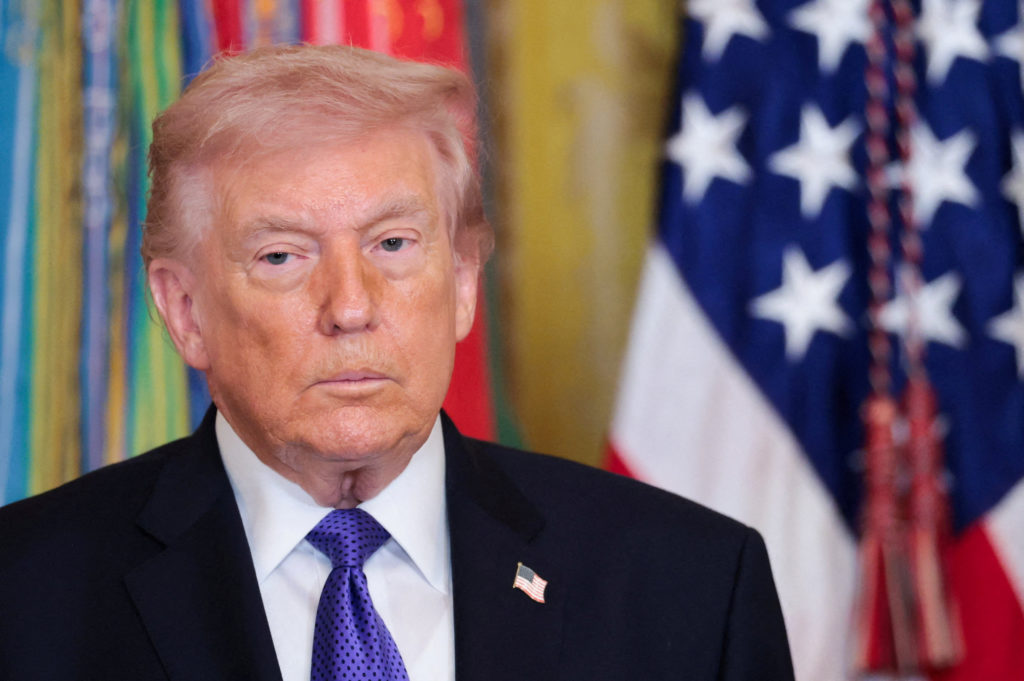
In a high-stakes live briefing, former President Donald Trump faced a questions-and-answers session focused on Iran. The event arrived amid broader debates over U.S. policy toward Tehran, nuclear diplomacy, and regional security in a volatile Middle East. While the host country and international observers weigh Iran’s trajectory, the remarks also reverberate through U.S. domestic politics, influencing 2026 campaign narratives and party strategy.
What Just Happened
During the news conference, Trump fielded questions about Iran’s nuclear program, regional behavior, and the potential for renewed diplomacy or pressure strategies. Expectation surrounding the session centered on whether the former president would lay out a distinctive approach that differs from current administration messaging, signal a return to tougher sanctions rhetoric, or advocate for a negotiated framework with new terms. While specifics varied, the exchanges underscored a willingness to foreground Iran as a central strategic issue in the broader national discourse.
Public & Party Reactions
Reaction to the briefing is shaping campaign dynamics. Supporters may frame the discussion as a decisive stance on a critical national security issue, reinforcing a appearance of strength and decisiveness on foreign policy. Critics, meanwhile, may question the feasibility and cost of aggressive policy options or push for more predictable, consultative approaches. Within the Republican landscape, interpretations will hinge on whether the remarks are seen as a principled pivot or a tactics-driven message to energize the base ahead of elections. In the Democratic camp, commentators may emphasize the importance of calibrated diplomacy, alliance-building, and measurable progress on containment and nonproliferation.
Policy Context and Strategic Stakes
Iran remains a pivotal issue in U.S. foreign policy, touching on nuclear nonproliferation, regional balance of power, and energy security. The administration’s current stance—whether it emphasizes strict sanctions, renewed diplomacy, or a hybrid approach—continuously informs market expectations, defense budgeting, and ally coordination. For lawmakers and analysts, the briefing offers a lens into how a Trump-adjacent policy framework could influence negotiations with European partners and regional players, including Gulf states and global powers like Russia and China.
Economic and Regulatory Impacts
Policy directions regarding Iran have wide-reaching economic implications. Sanctions regimes, export controls, and financial restrictions affect not only Tehran but also global markets and multinational corporations with exposure to the Middle East. Any shift in rhetoric or action could lead to volatility in energy markets, shifts in investment confidence in the region, and recalibrations in sanctions enforcement and compliance regimes. Businesses operating in or with the region should monitor potentially new licensing requirements, secondary sanctions risk, and the evolving regulatory posture.
What Comes Next
Observers should watch for how the administration and its allies respond to the briefing’s strategic cues. If the conversation tilts toward a tougher, more sanctions-heavy stance, expect a push for legislative support in Congress, potential escalation in enforcement actions, and intensified diplomacy with key partners. Conversely, a pivot toward negotiated diplomacy would likely prompt a new round of negotiations, confidence-building steps, and potential adjustments to existing sanctions architecture. Regardless of the immediate policy tilt, Iran will continue to be a focal point in national security briefings, campaign messaging, and congressional oversight.
Why It Matters for 2026
As the 2026 political landscape takes shape, Iran policy remains a barometer for a candidate’s leadership vision on national security, alliances, and the willingness to pursue aggressive or conciliatory strategies. The live briefing contributes to a broader narrative about the direction of U.S. foreign policy, the durability of bipartisan consensus on Iran, and how political rhetoric translates into real-world policy moves. For voters, the episode highlights the practical implications of foreign policy choices on energy, markets, and regional stability, reinforcing the need for informed scrutiny of proposed approaches.
Note: This analysis focuses on the broader political and strategic implications of the live Q&A on Iran, presenting a neutral, forward-looking perspective suitable for a 2026 U.S. political analysis audience.