Situation Brief
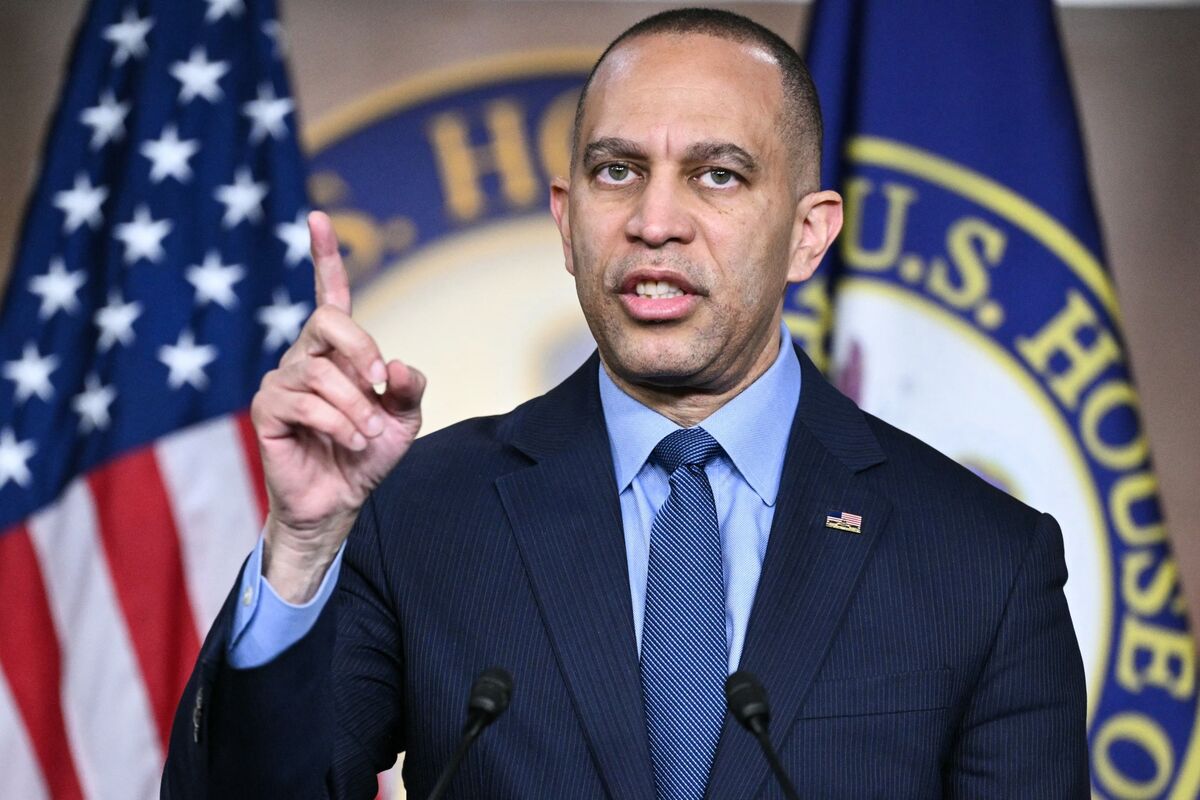
A recent congressional episode has spotlighted a renewed contest over who controls U.S. military engagement abroad. Republicans in Congress blocked a war powers resolution designed to limit President Donald Trump’s authority in the Iran context. By denying a congressional check, they effectively granted the administration wider latitude to pursue or escalate military action without fresh legislative authorization. Democrats, meanwhile, largely backed the move to curtail executive authority, signaling a sharp partisan divide over how the United States should manage foreign commitments during a time of public ambivalence about ongoing conflicts.
This set of developments arrives at a moment when the Iran situation lacks a clear mandate, a defined endgame, or broad domestic support. For many observers, the episode crystallizes a broader pattern: foreign crises often outpace domestic consensus, leaving Congress grappling with constitutional duties, political calculations, and the long-term consequences for American credibility.
Strategic Stakes
The immediate strategic question is not merely about one decision in isolation but about the precedent it sets for executive power in national security. If Congress systematically curtails presidential war authority, the administration may become more agile in responding to rapid geopolitical shifts. Conversely, if lawmakers wire in robust checks, they push back against unilateral moves but risk appearing gridlocked during fast-moving crises.
For opponents of the administration’s Iran policy, the contested power dynamic serves as leverage to demand clearer objectives, measurable benchmarks, and a transparent authorization path. Supporters of the executive approach argue that in volatile theaters, speed and decisiveness are essential to protect national interests and allied security arrangements. The political calculus becomes a proxy for a broader debate about how the United States should balance credibility, deterrence, and restraint in a multipolar world.
Impact on US Interests
Looking ahead, the war powers dispute will influence several layers of U.S. strategy. On the diplomatic front, congressional resistance to open-ended military entanglements can complicate coordination with allies who expect a coherent, explained, and time-bound approach. On the military side, better oversight may help ensure a more disciplined mission scope, avoiding mission creep and reducing the risk of protracted deployments that strain resources at home.
For markets and the economy, heightened uncertainty around policy direction can translate into volatility in energy markets, defense procurement cycles, and vendor confidence among international partners. Businesses with exposure to global supply chains and defense contracting may adjust risk premiums or reallocate capital in response to perceived policy clarity—or lack thereof.
Public & Party Reactions
Public opinion on foreign interventions has historically been fickle when the costs and casualties aren’t immediately visible at home. In this cycle, Democratic lawmakers have framed the vote as a matter of constitutional duty and fiscal prudence, emphasizing the need for clear authorization and measurable goals. Republicans have defended greater presidential latitude in national security matters, arguing that waiting for congressional consensus could impede timely, decisive action.
Within party dynamics, the split highlights a broader strategic divergence: Democrats casting themselves as custodians of restraint and checks-and-balances, Republicans positioning themselves as advocates for executive agility. The long-term political implications hinge on how each coalition translates this fight into public messaging, messaging that can resonate with voters who weigh security concerns, economic stability, and the human costs of overseas engagement.
What Comes Next
Several scenarios loom as the Iran situation evolves. Congress could pursue additional oversight mechanisms, including targeted authorizations or sunset provisions that grant limited authority while mandating periodic reassessments. The administration might seek fresh legislative authorization to formalize any sustained deployment or escalate, which would force a new political contest and potential reforms to how the executive branch communicates risks and objectives to the public.
Amid these debates, international partners are watching carefully. The absence of a clear, widely supported mandate could complicate coalition-building and long-term commitments in a volatile region. Conversely, a well-defined authorization framework that aligns strategic objectives with measurable benchmarks could bolster alliance confidence, deter adversaries, and provide a clearer path toward de-escalation or exit if objectives are achieved.
Bottom line for policymakers and voters: the current war powers clash is more than a procedural skirmish. It signals a turning point in how the United States negotiates the balance between presidential initiative and congressional accountability in foreign affairs. The coming months will reveal whether lawmakers can forge a governance framework that reconciles urgent national security needs with transparent, democratically legitimate decision-making.