Overview
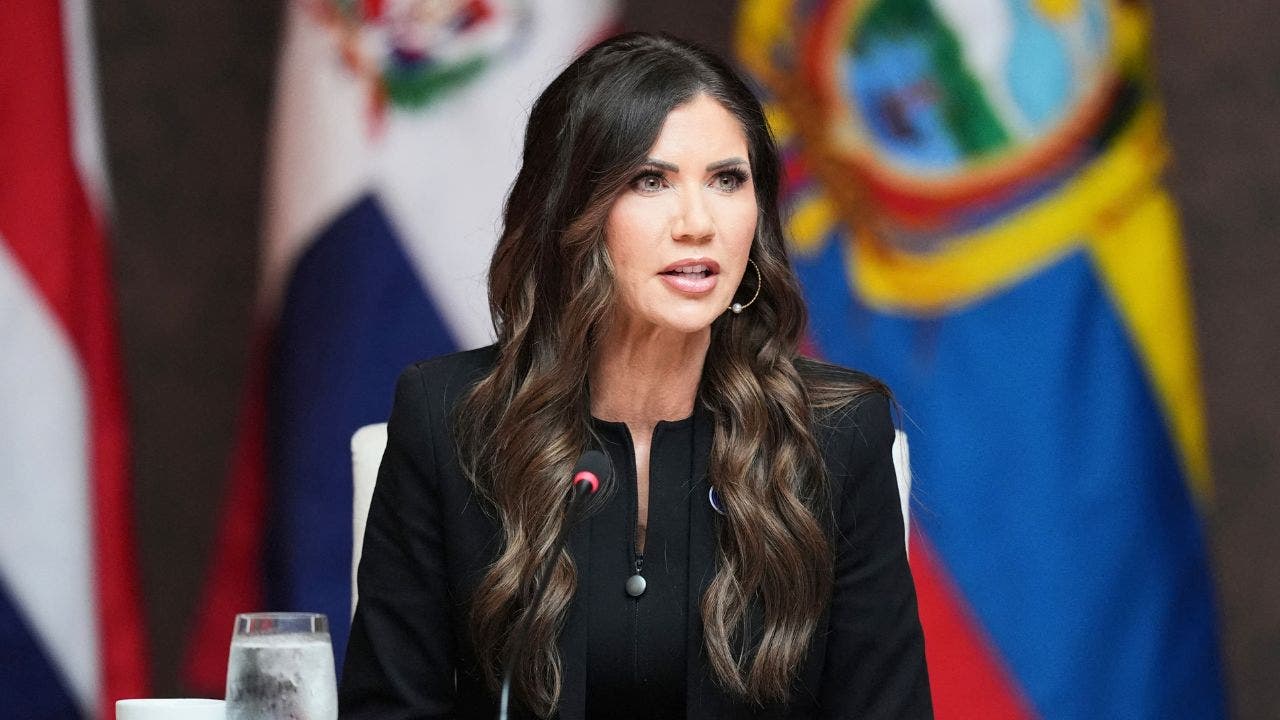
A high-profile reshuffle with geopolitical undertones unfolded at a recent summit, as Kristi Noem publicly thanked former President Donald Trump for a newly created Shield of the Americas special envoy role. The designation follows Trump’s decision to remove Noem from the Department of Homeland Security earlier in the year, signaling a deliberate reorientation of leadership and messaging around regional security cooperation in the Western Hemisphere. The development spotlights how presidential teams in the 2026 cycle are signaling policy continuity, personnel leverage, and strategic messaging to domestic audiences and international partners.
What Just Happened
- The moment: At a summit held this weekend, Noem publicly credited Trump with a new envoy role intended to advance the Shield of the Americas initiative, a multi-country collaboration focused on security, governance, and resilience across North and South America.
- The political throughline: This move follows Trump’s controversial but strategically crafted pattern of rotating high-profile figures into diplomacy-adjacent roles, positioning allies in visible, policy-adjacent posts that transmit a message of continuity and readiness ahead of key elections.
- The institutional wrinkle: The newly created envoy title elevates a partisan ally into a role with international optics, raising questions about the balance between partisan branding and formal diplomatic authority in the post- DHS era.
Public & Party Reactions
- Within Trump-aligned circles, the appointment is framed as a practical reinforcement of the United States’ regional posture, underscoring a consistent approach to hemispheric security regardless of domestic political shifts.
- Across the broader political spectrum, observers are parsing the move for its signaling value: does the envoy role imply a durable policy architecture that can outlast election cycles, or is it primarily a messaging tool tied to the 2026 electoral calendar?
- Analysts and opposition voices may scrutinize the role for its potential impact on interagency coordination, resource allocation for regional initiatives, and the messaging legitimacy of appointing a former DHS leader to a regional security position.
Policy Signals and Strategic Context
- Regional security emphasis: The Shield of the Americas framework emphasizes hemispheric collaboration against transnational threats, from drug trafficking to cyber and border challenges. Elevating a trusted political operative to envoy status signals a commitment to accelerating these partnerships.
- Governance and resilience focus: The role is likely to prioritize governance improvements, border management cooperation, and disaster resilience across allied nations, leveraging shared standards and information exchange.
- Partisan branding versus practical governance: The appointment could be read as both a policy signal and a political maneuver designed to sustain a narrative of proactive leadership in tough policy domains that resonate with national security voters.
What Comes Next
- Coordination and program design: Expect clarifications on the envoy’s mandate, authorities, and how this role interacts with the State Department, DHS legacy functions, and various regional security pacts.
- Funding and resources: Observers will monitor whether the envoy role comes with dedicated funding streams, staffing, and formal channels to influence policy implementation across multiple countries.
- electoral signaling: As the 2026 cycle intensifies, the position may serve as a vehicle for illustrating a long-term hemispheric strategy, potentially shaping campaign discourse around immigration, border security, and international cooperation.
Impact on US Domestic Policy and Governance
- Interagency dynamics: The creation of a high-profile envoy can reshape interagency collaboration patterns, potentially accelerating joint exercises, intelligence sharing, and border management initiatives if authorities are clearly delineated.
- Message discipline: The envoy role reinforces a narrative that the United States maintains an active, constant posture in the Western Hemisphere, aiming to reassure partners and deter adversaries through visible leadership.
- Governance implications: For domestic audiences, the move underscores the importance of consistent policy messaging, even as administrations transition, highlighting how personnel choices can influence public perception of US commitment to regional stability.
Outlook and Analysis
- Strategic continuity: The envoy appointment aligns with a broader strategy to maintain continuity in hemispheric policy despite leadership changes at the national level. It signals that the United States intends to keep up momentum on regional security initiatives.
- Electoral tempo: Expect ongoing debates about the use of high-profile appointments as campaign tools versus enforceable policy roles. The balance between political branding and substantive governance will be a point of contention in the weeks leading to 2026.
- Global positioning: The move situates the United States as an actively engaged regional player, potentially shaping how allies calculate their own security postures and collaboration priorities with Washington.
In sum, Kristi Noem’s thank-you for a newly minted Shield of the Americas special envoy role embodies the intersection of domestic political signaling and international governance strategy. As 2026 approaches, the role will be watched closely for its ability to translate rhetoric into concrete regional impact, collaboration among partners, and resilience against transnational threats.