Overview
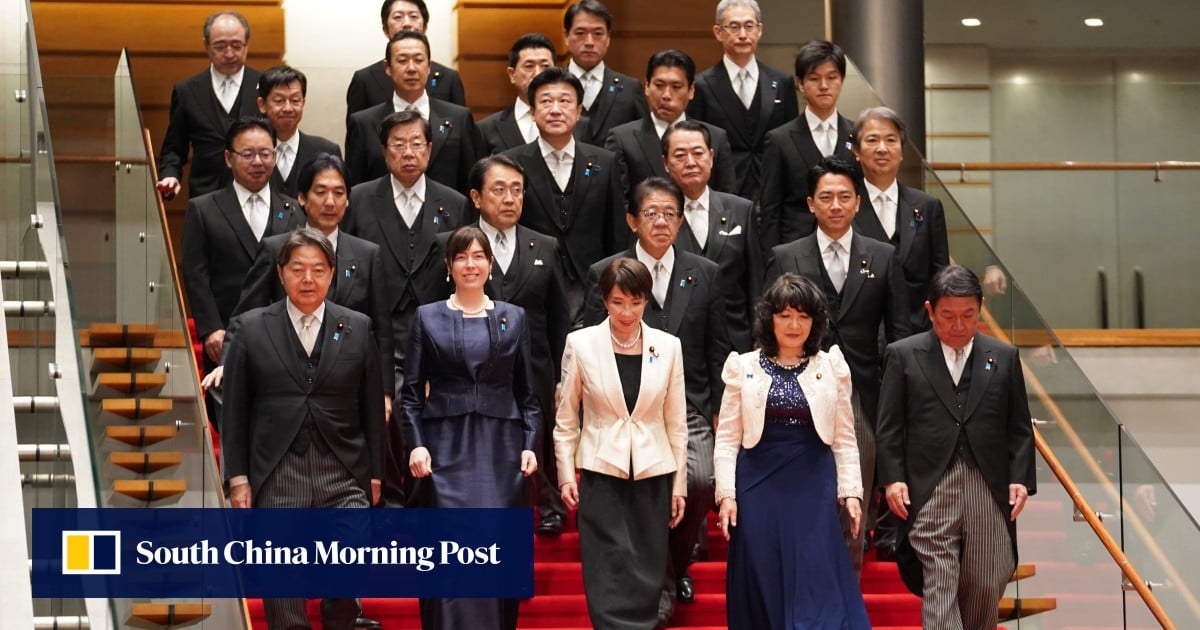
Japan has marked eight decades of postwar democracy, yet the path to gender parity in politics remains stubbornly uneven. As the 2026 political landscape takes shape, women remain underrepresented in national and local offices, party leadership, and key policy debates. This trend matters beyond symbolism: gender diversity in decision-making has tangible implications for policy direction, economic equality, and Japan’s ability to respond to aging demographics and regional security challenges.
Understanding the Gap
Two core dynamics drive the persistent gender gap in Japanese politics. First, cultural and institutional norms have long limited women’s upward mobility within political parties, candidate selection, and network access. Second, structural barriers—such as limited childcare support, campaigning costs, and the unwritten expectations surrounding family and caregiving duties—constrain women from sustaining campaigns or climbing to influential posts. While some progress has occurred, the pace is slow, and breakthroughs tend to be uneven across regions and parties.
Policy and Political Debates
Several policy discussions intersect with the gender representation issue. Proposals center on:
- Electoral reform and candidate quotas or incentives to diversify lists and leadership benches.
- Childcare and family support reforms to reduce the non-trivial opportunity costs of running for office.
- Corporate governance and public-sector diversity mandates that could influence broader societal norms.
- Education and mentorship programs aimed at cultivating political ambition among women from a young age.
Impact on Governance and Economic Policy
Diverse legislatures tend to broaden policy perspectives, particularly on issues like gender pay gaps, childcare infrastructure, and family-friendly work environments. In Japan, where the population is aging and the economy faces structural constraints, increasing women’s political and economic participation could drive inclusive growth and more comprehensive social safety nets. A more representative leadership could also influence foreign policy and regional engagement, including approaches to Japan’s security alliances and multilateral diplomacy.
Who Is Affected
The effects of a gender-balanced political environment are felt across the spectrum:
- Women candidates and incumbents seeking greater influence within parties and governments.
- Working families that rely on effective social infrastructure and childcare support.
- Small and medium-sized enterprises (SMEs) and business groups advocating for policies that enhance female entrepreneurship and workforce participation.
- Regions with slower gender parity progress, where local governance may differ significantly from national trends.
What Comes Next
Expect continued advocacy around quotas or flexible candidate selection rules, paired with targeted investments in childcare and work-family support. Political parties may test pilot programs in regional elections, measuring how increased female representation shapes policy outcomes and electoral performance. International observers may also monitor Japan’s progress as part of a broader assessment of gender equality in governance across democratic systems.
Global Context and Implications
Japan’s experience sits within a wider trend of democracies reckoning with gender parity in leadership. The 2026 policy environment in Japan could influence regional diplomacy, including engagement with G7 partners and regional economic blocs prioritizing inclusive growth. If progress accelerates, Japan could position itself as a model for balancing tradition with modern governance, while failing to advance could reinforce perceptions of stagnation in one of the world’s largest advanced economies.
Bottom Line
Eight decades into democracy, Japan still faces a critical test: turning social and institutional openings into sustained political representation for women. The policy choices and cultural shifts in 2026 will shape not only domestic governance but Japan’s role on the international stage as it negotiates aging demographics, economic resilience, and regional leadership.