Overview
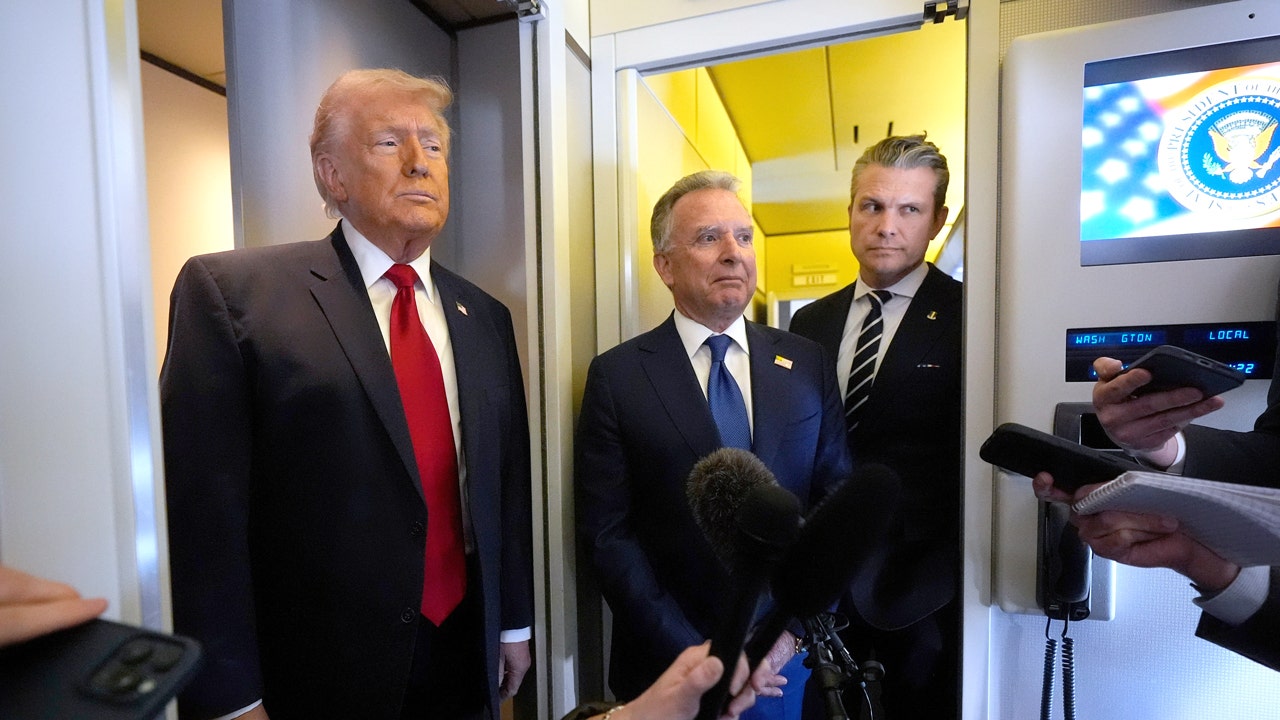
In a high-stakes turn of international diplomacy, President Donald Trump framed a rapid, hard-edged narrative around Iran, claiming that joint military actions have destroyed significant Iranian naval and air capabilities and urging Tehran to surrender. The remarks come as energy markets and geopolitics intersect, complicating the domestic conversation about gas prices, security commitments, and the boundaries of U.S. military intervention.
What Just Happened
Trump issued a public assertion that a coordinated strike campaign has neutralized 44 Iranian ships and a broad tally of aircraft, portraying the outcome as an unequivocal defeat of Iran’s military capacity. The rhetoric centers on a binary choice for Tehran: capitulate or face continued, escalating pressure. While the president’s account emphasizes decisive success, experts and policymakers will scrutinize verifiability, proportionality, and the potential for unintended escalation in a volatile region.
Strategic Stakes
- Military effectiveness and credibility: The claim positions the United States and its allies as decisive actors, potentially deterring adversaries. However, the risk of miscalculation, collateral damage, or misfi ngered targets remains a concern for regional stability.
- Diplomatic signaling: The call for surrender signals a maximalist posture that could complicate traditional channels of de-escalation and prompt Tehran to redouble its regional proxies and strategic depth.
- Domestic politics and energy policy: The administration is balancing national security messaging with domestic anxieties about energy prices, which can be sensitive in an election cycle and influence policy signals abroad.
Impact on US Interests
- Security commitments in the Persian Gulf and allied security guarantees are tested as Iran potentially ramps up asymmetric retaliation (cyber, missiles, and regional proxies).
- Alliance management, particularly with partners in Europe and the Middle East, depends on clear, verifiable outcomes and sustained coalition cohesion.
- Global markets watch for escalation that could disrupt oil and gas supplies, influencing inflation, monetary policy, and consumer energy costs.
Global Power Dynamics
The narrative touches on broader geostrategic currents: U.S.-China competition for influence in the Middle East, Iran’s relationships with regional actors, and how major powers assess risk in a volatile theater. Washington’s posture could recalibrate negotiations, sanctions, and deterrence strategies across the region.
Forward-Looking Risks
- Escalation risk: A narrow objective claimed as decisive could provoke proportional or disproportionate responses from Iran or its allies, potentially widening conflict zones.
- Diplomatic avenues: If claims are perceived as exaggerated or unverified, credibility challenges could hamper future diplomacy and crisis management.
- Economic ripples: Even heightened rhetoric alongside limited tangible restraint can influence oil markets and consumer prices, potentially letting inflationary pressures linger.
What Comes Next
Officials will likely face questions about verification, proportionality, and the desired end-state. Expect a renewed push on diplomatic backchannels, possible sanctions adjustments, and contingency planning for the Persian Gulf theater. Domestic policymakers will weigh security commitments against energy market resilience and economic impacts, shaping messaging ahead of upcoming political contests.
Context
This event sits at the intersection of hard-line national security postures and the need for credible, transparent military objectives. In a period of intensified great-power competition, the administration’s framing of a “surrender” demand raises questions about strategy, risk thresholds, and the pathway to stable deterrence.
Immediate Reactions to Watch
- State and defense officials’ testimony and independent verification of operational outcomes.
- Reactions from allied capitals, particularly in Europe and the broader Middle East.
- Market responses to perceived risk in energy supply and geopolitical stability.
Key Takeaway
As the United States signals a potentially transformative shift in its posture toward Iran, analysts and policymakers will closely examine both the stated objectives and the underlying intent: preserving strategic leverage, avoiding open-ended conflict, and managing the domestic implications of a volatile international landscape. The coming weeks will reveal whether this rhetoric translates into durable policy gains or heightens risks in a fragile regional balance.