Overview
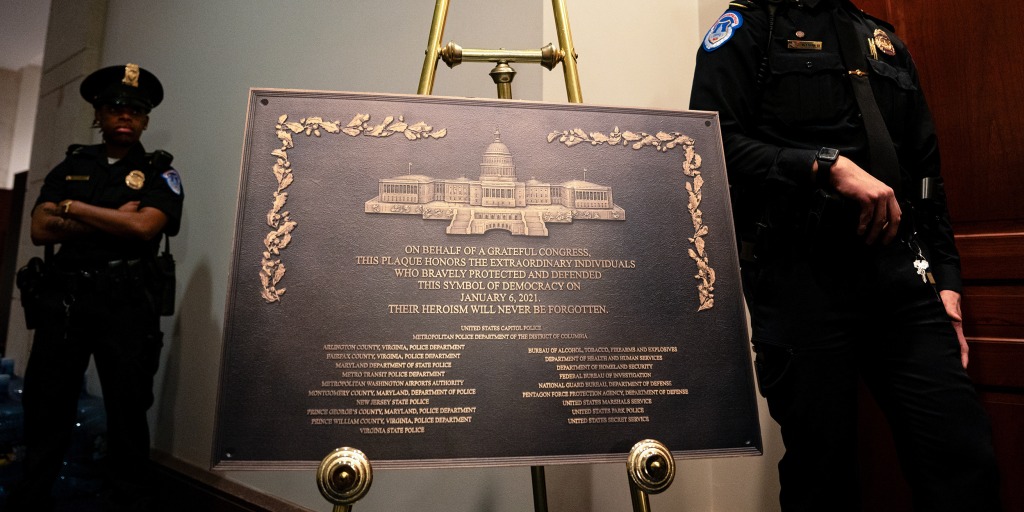
A long-delayed decision culminated in the Senate approving the installation of a commemorative plaque at the U.S. Capitol to mark the events of January 6, 2021. The move comes after persistent resistance from House Republicans and reflects evolving dynamics around accountability and the Capitol’s symbolic messaging. The installation is more than a memorial; it signals how lawmakers are sequencing historical interpretation and political optics in a volatile period ahead of elections.
What Just Happened
For years, a formal plaque acknowledging the January 6 events stalled in legislative limbo. The Senate’s vote to proceed with installation breaks the impasse and places a tangible marker on the Capitol’s history. The decision arrives despite prior resistance from the House GOP, which had refused to display the plaque on its own, underscoring a broader partisan divide over how the day’s events should be commemorated and interpreted in future civic education efforts.
Public & Party Reactions
Supporters argue that recognition and documentation of the assault on the Capitol are essential for accountability, transparency, and national cohesion. They frame the plaque as a necessary educational tool that preserves the memory of a pivotal moment in American democracy and reinforces the rule of law.
Opponents in the GOP have contended that the manner and timing of the plaque’s installation risk politicizing a tragic event, potentially inflaming partisan tensions while offering limited educational value to the public. The Senate action, in this view, is a strategic move to reclaim a narrative space that some members believe has been hijacked by partisan rhetoric rather than bipartisan remembrance andward accountability.
Policy and Governance Context
The plaque’s installation sits at the intersection of memory, governance, and political accountability. Proponents view it as a genuine effort to institutionalize a factual, nonpartisan record of a defining moment, while critics worry about unfurling narratives that could polarize an already divided Congress. Beyond symbolism, the decision has practical implications for how the Capitol’s spaces are used, how future memorials are approved, and how historical interpretation is managed within the legislative branch.
What Comes Next
- Public ceremonies and official unveilings are likely to accompany the plaque, with lawmakers allocating time to reflect on the events and their consequences for American democracy.
- The episode could influence how future memorialization debates are handled across both chambers, including processes for approving exhibits and educational displays.
- In the broader political landscape, the move may become a talking point in campaigns, highlighting contrasts over accountability, governance, and how history is presented to the public.
Impact on Governance and Accountability Debates
The decision underscores ongoing tensions around how institutions confront contested chapters of recent history. It puts a spotlight on the balance between honoring victims, ensuring an accurate record, and avoiding partisan exploitation of tragic events. Observers will be watching whether this installation translates into a broader appetite for bipartisan approaches to accountability, memorialization, and civics education in Congress.
Context for the 2026 Political Landscape
As the 2026 political cycle accelerates, symbolic acts like the Capitol plaque become tools for setting framing and tone. The Senate’s action may influence how lawmakers negotiate other accountability measures, investigations, and public-facing messages about the integrity of institutions. For voters, the episode highlights the ongoing strain between memory, political strategy, and governance—an enduring feature of the American political landscape.