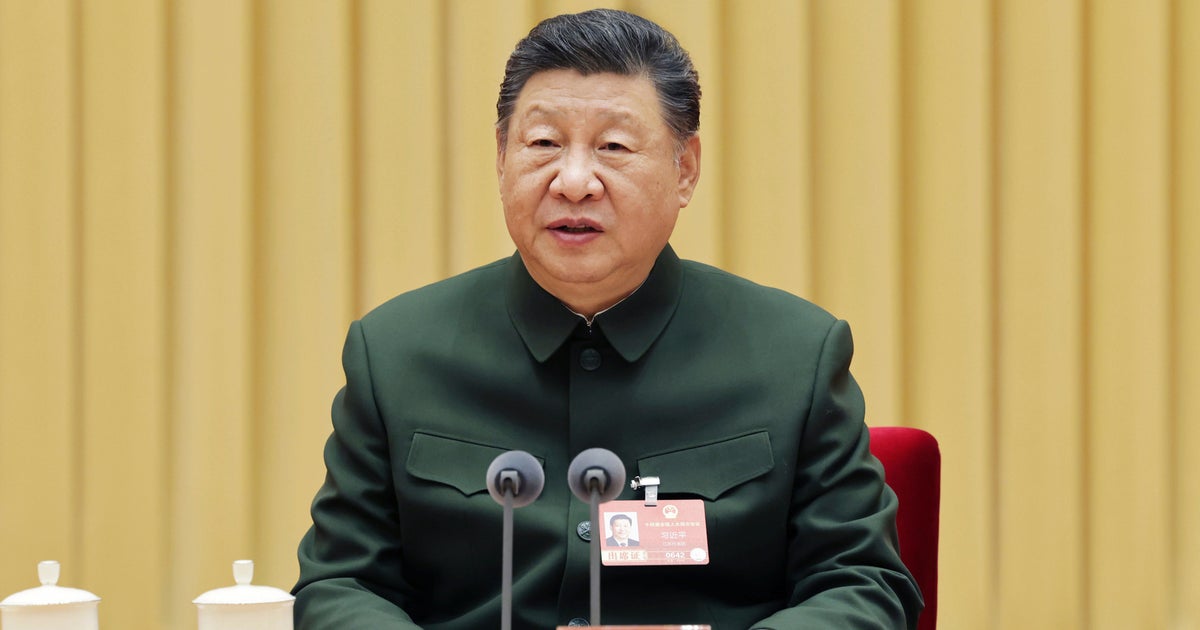
Situation Brief
China’s leadership remains focused on tightening political loyalty as it conducts a high-profile military purge and pursues an anti-corruption investigation. In recent weeks, state media and official channels have highlighted reinforced party discipline, loyalty to the core leadership, and tighter control over senior military and civilian cadres. The developments come amid a broader campaign to purge perceived dissent and ensure alignment with President Xi Jinping’s strategic agenda ahead of shifting regional dynamics and an evolving external environment.
Strategic Stakes
Xi’s call for unwavering political allegiance signals a dual objective: stabilize internal control and reassure domestic and international markets that the party’s governance remains centralized and predictable. By linking anti-corruption probes with loyalty demands, Beijing appears to be aiming to curtail factionalism, deter potential rivals, and streamline decision-making across security and policy domains. The moves also underscore a broader narrative: ongoing modernization of China’s military and administrative apparatus under tight ideological supervision.
Impact on Governance and Security
- Military and security oversight: The purported purge touches senior commands and influential defense partners, potentially reshaping readiness, modernization initiatives, and joint planning with civilian security organs. Expect intensified vetting, more routine political reviews, and elevated scrutiny of loyalty pledges within the PLA and related ministries.
- Administrative discipline: The anti-corruption probe reinforces the message that graft and malfeasance undermine party legitimacy. Expect ongoing investigations to target networks surrounding procurement, contract awards, and project oversight, with consequences for local officials and regional authorities who may have previously enjoyed protection.
- Economic governance: The convergence of discipline and anti-corruption rhetoric could influence state-led project cycles, investment approvals, and risk assessment processes. Firms operating in China’s strategic sectors may face heightened compliance scrutiny and tightened political risk controls.
Public & Global Reactions
Domestically, observers and analysts are parsing the balance between perceived stability and outsize political concentration. In international markets and among foreign partners, the emphasis on loyalty and anti-corruption may prompt reassessments of risk, procurement norms, and ongoing collaborations with Chinese security and industrial bases. While some allies welcome a predictable policy environment, others worry about opaque decision-making, potential disruption to long-term joint ventures, and the broader implications for governance transparency.
Forward-Looking Risks
- Policy continuity versus volatility: If loyalty enforcement intensifies, policy consistency could improve in the near term, but elite power shifts may create uncertainty around reform pace and regulatory changes.
- Military modernization cadence: Purges within the armed forces could delay or recalibrate modernization programs, exercises, and interoperability with partner militaries, potentially affecting regional security calculations.
- External signaling: The emphasis on loyalty and anti-corruption realism may present China as a stabilized yet more centralized state, influencing how other powers calibrate diplomacy, trade negotiations, and competition in strategic technologies.
What Comes Next
Expect continued public messaging highlighting party discipline as a cornerstone of governance. Government organs may publish summaries of loyalty criteria, leadership expectations, and disciplinary procedures to normalize the narrative. Investigations are likely to broaden to peripheral networks linked to major projects, with periodic announcements designed to reaffirm control while avoiding destabilizing collateral effects. For international audiences, monitoring shifts in defense procurement, cross-border defense collaborations, and technology transfer policies will be essential to gauge evolving dynamics.
Tone and Take
The ongoing political loyalty push, coupled with anti-corruption probes and military purges, signals a climate where central leadership seeks to safeguard unity, accelerate strategic initiatives, and minimize internal fragmentation. For observers, the trend warrants careful watching of how governance, defense, and economic governance interact under heightened party oversight—especially in an era of shifting global competition and regional influence.