Overview
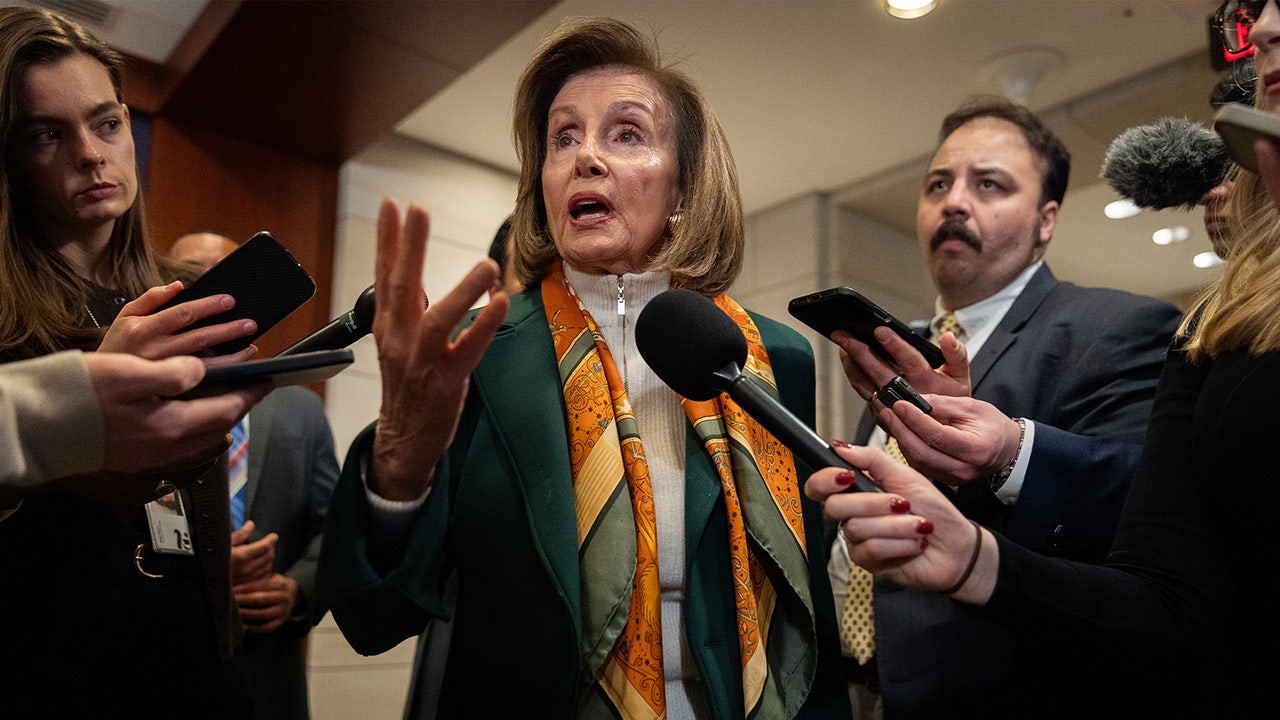
In a moment of sharp contrast within the U.S. political discourse, Nancy Pelosi reaffirmed her defense of Barack Obama’s Libya interventions while denouncing Donald Trump’s Operation Epic Fury. The exchange spotlights enduring tensions over when and how the United States should use military force, and how lawmakers frame these choices across party lines. As debates intensify in 2026, Pelosi’s remarks map a strategic stance that ties past policy decisions to contemporary security considerations and political signaling.
What Just Happened
Pelosi’s comments center on a longstanding disagreement over the proper use of U.S. military power. She defended the Obama-era Libya strikes as a calculated effort to deter regional chaos and protect civilians, arguing that international coalitions and targeted actions can be justified when diplomacy stalls and human rights concerns loom. In the same breath, she criticized Trump’s Operation Epic Fury, framing it as misaligned with strategic objectives or lacking clear authorization or sustainable regional outcomes. The juxtaposition is not merely a retrospective defense of a past decision; it serves as a clear argument about consistent principles guiding American foreign policy across administrations.
Public & Party Reactions
Expect a mix of applause and critique across political lines. Supporters may view Pelosi as championing a principled, doctrine-based approach to U.S. intervention, emphasizing accountability, international legitimacy, and the precautionary use of force. Critics could argue that anchoring policy to past administrations risks imposing rigid banners on current strategic environments, especially as regional dynamics evolve with Russia, China, and non-state actors. In congressional debates, the diverging views on Libya versus contemporary operations will feed into broader questions about executive authorization, congressional oversight, and the role of the United States in fragile states.
Situation Brief
Libya remains a touchstone for debates about humanitarian intervention, regime change, and the limits of military engagement. Pelosi’s stance reinforces a narrative that foreign policy consistency matters, particularly when past actions are invoked to calibrate present choices. The discourse also reflects a broader political strategy: drawing lessons from history to argue for deliberate, legally grounded action rather than impulsive operations framed around political objectives or electoral signals.
Strategic Stakes
- Legitimacy and precedent: How past interventions inform current decision-making and congressional expectations for oversight.
- Legal frameworks: The ongoing scrutiny of authorization and international law in U.S. military actions abroad.
- Credibility and deterrence: The impact of principled positions on American credibility when outlining red lines, humanitarian stakes, and strategic aims.
- Domestic signaling: How contrasting stances on Obama-era actions versus Trump-era operations influence voter perceptions of leadership consistency and governance standards.
Impact on U.S. Interests
The debate ties directly to national security, alliance cohesion, and regional stability. For policymakers, the Libya example underscores the importance of clear objectives, proportional force, and post-action governance—factors crucial to sustaining credible deterrence and preventing mission creep. As lawmakers weigh future engagements, Pelosi’s framework encourages a principled, rules-based approach that seeks international support and clear exit strategies.
Global Power Dynamics
Observers will watch how U.S. domestic narratives about past versus present interventions shape allied expectations and adversarial signaling. A consistent, legally grounded stance may reassure partners about Washington’s commitment to multilateral norms, while perceived inconsistency could complicate efforts to coordinate responses to crises in the Middle East, North Africa, and beyond.
Forward-Looking Risks
- Political polarization: Deepening divides over intervention ethics could hamper swift, unified action in future emergencies.
- Legal ambiguity: Ongoing debates about congressional authorization and executive powers create risk for decision-making speed and legitimacy.
- Strategic alignment: If the U.S. is seen as inconsistent, allies may recalibrate expectations around support, burden-sharing, and regional strategy.
What Comes Next
Expect continued emphasis on the balance between humanitarian concerns, legal justifications, and strategic outcomes in U.S. foreign policy discourse. The Pelosi stance may influence upcoming committee hearings, debates on authorizations for force, and bipartisan calls for clearer frameworks governing future military actions. In the 2026 political landscape, the conversation around Libya-era actions versus contemporary operations will remain a litmus test for how policymakers translate historical lessons into coherent, actionable strategy.
Tone
The piece adopts a geopolitical, analytical lens while remaining accessible to a broad U.S. audience. It emphasizes strategic principles, legal grounding, and the implications for governance and national interests without sensationalism.