Overview
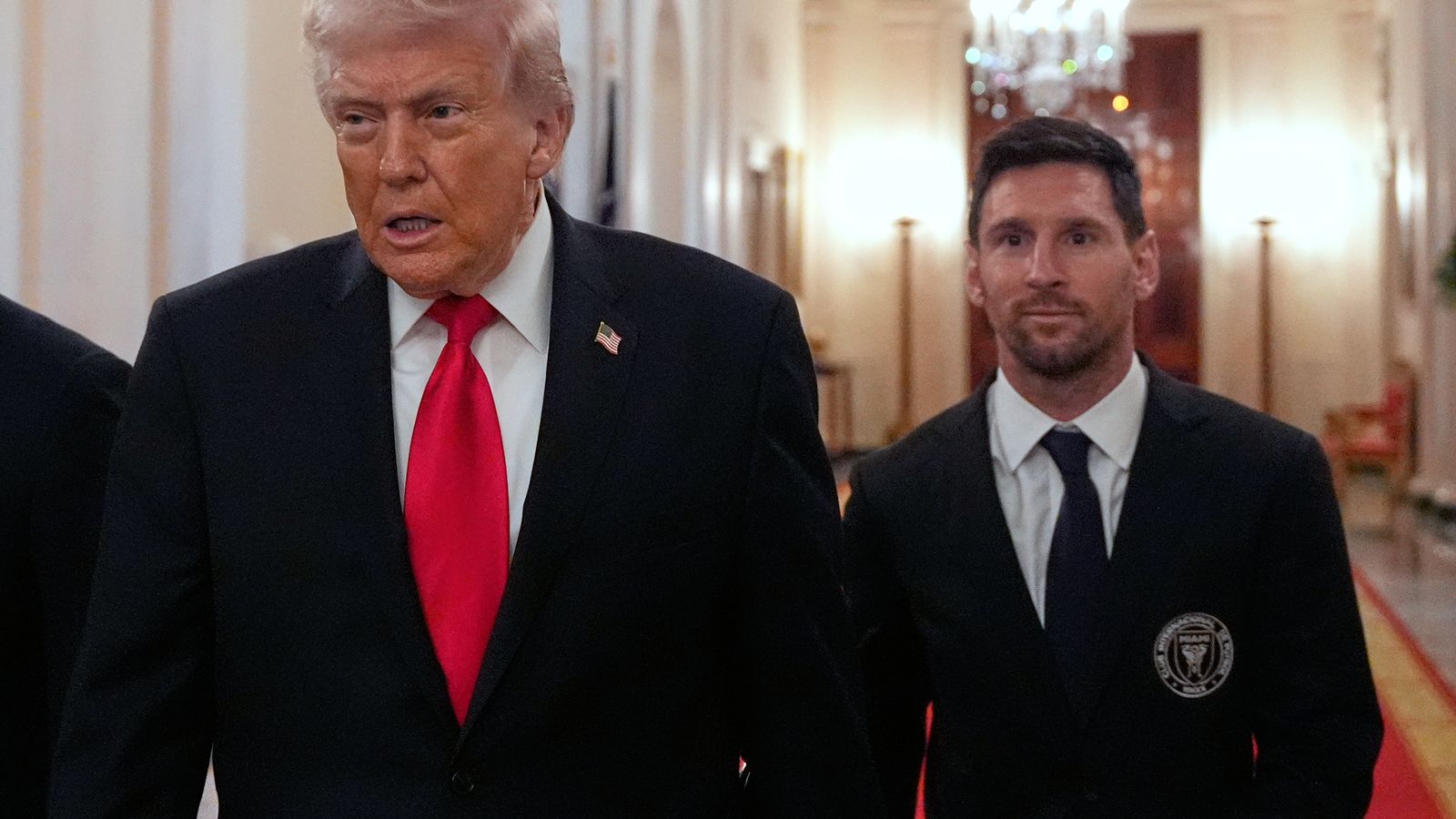
Lionel Messi’s visit to the White House – a spectacle that mixed sports diplomacy with political signaling – arrives at a moment of recalibrated attention to Latin America in U.S. foreign policy. The spectacle, framed by a glittering pink soccer ball and a global superstar’s star power, underscores how cultural icons can become proxies for broader diplomatic conversations. While not a policy pivot in itself, the moment offers a read on how Washington seeks to shape perceptions, deepen soft-power ties, and frame conversations about cooperation with regional partners.
What Just Happened
Messi crossed a frontier not in terms of geography alone, but in the arena of political symbolism. The event blends sport, diplomacy, and media attention, signaling a carefully crafted narrative: U.S.-Latin America relations can leverage cultural diplomacy to complement traditional state-to-state engagement. Observers note that such moments are less about immediate policy wins and more about signaling shared values—talent, achievement, and widely recognized international influence. The White House event positions Argentina as a high-profile ally in a broader U.S. effort to maintain constructive dialogues with Latin American partners.
Public & Political Reactions
Analysts emphasize that the optics of a sports icon at the White House are designed to reach diverse audiences: American sports fans, Latin American communities, and international observers. Reactions from policymakers are likely to focus on themes of collaboration, mutual interests, and people-to-people connections rather than contentious policy clashes. Critics may caution against over-reading symbolism, urging policymakers to translate attention into concrete cooperation on trade, migration management, and regional security. In Washington diplomacy, the moment serves as a reminder that cultural prominence can broaden the appetite for policy conversations without guaranteeing imminent shifts on Capitol Hill.
Regional Context
The episode arrives amid ongoing attention to how the United States engages with Latin America amid migration pressures, energy and commodity markets, and regional security concerns. Visuals of a global sports icon at the White House can help humanize complex policy debates, making it easier for audiences to connect to issues such as economic development, advanced healthcare, and educational exchanges. For the region, the moment reinforces a narrative that U.S. engagement remains multifaceted—combining hard power considerations with cultural and soft-power diplomacy that emphasizes shared achievements and mutual admiration.
US Strategic Position
From Washington’s perspective, leveraging soft power alongside traditional diplomacy can help stabilize partnerships in a region where political shifts and economic volatility influence policy outcomes. The Messi visit is a strategic instance of signaling: it communicates that the United States values cultural diplomacy as a complement to economic and security cooperation. While not a direct policy instrument, such moments can shape the tone of discussions about trade rules, innovation collaboration, and people-to-people programs that form the backbone of enduring ties with Latin American partners.
Economic and Migration Implications
Cultural diplomacy has downstream effects on policy conversations. Opening doors to educational exchanges, sports diplomacy initiatives, and joint research can indirectly influence economic ties and migration narratives. Policymakers may seize the moment to highlight concrete proposals—such as bilateral investment in infrastructure, joint healthcare initiatives, or scientific collaborations—that align with the broader goal of more resilient regional cooperation. While not a fiscal policy overhaul, the spectacle can catalyze public interest and political appetite for collaborative projects.
Political Signals
Key political signals from this moment include:
- Emphasis on shared cultural achievement as a bridge for policy dialogue.
- A readiness to pair symbolic moments with tangible, bilateral programs.
- An acknowledgment that public sentiment and international perception matter in shaping cooperation with Latin America.
Outlook
Looking ahead, expect U.S. policymakers to translate the symbolism into more concrete engagement on issues such as economic integration, climate resilience, and smart-city partnerships in the region. The effectiveness of this approach hinges on sustaining momentum beyond media spectacles, turning attention into measurable outcomes—investments, agreements, and joint initiatives that benefit both sides. For Latin American partners, the episode reinforces that U.S. engagement remains multi-dimensional: not just policy and regulation, but also cultural affinity and shared aspirations.
What to Watch
- Whether the Messi moment precedes or coincides with new bilateral initiatives in trade, technology, or education.
- Whether there is an uptick in joint cultural and sport diplomacy programs that can seed policy discussions.
- How domestic audiences in the U.S. and Latin America perceive the narrative and whether it influences political support for cooperative agendas.
In sum, Messi’s White House visit is less about a concrete policy shift and more about strategic signaling. It highlights the power of cultural diplomacy to shape the tone of US-Latin America relations and to frame future discussions around cooperation, shared values, and mutual opportunity.