Situation Brief
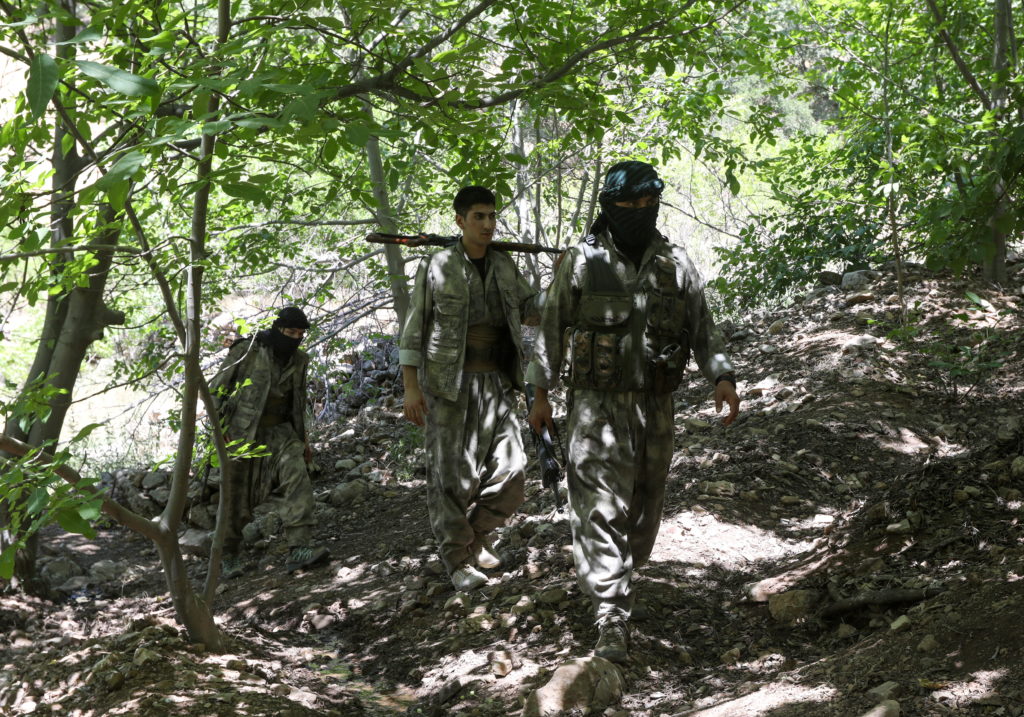
The Kurdish community, spanning across parts of Iran, Iraq, Syria, and Turkey, has long played a pivotal but complex role in Middle East security. In recent discussions about a wider confrontation with Iran, experts warn that Kurdish involvement could become a force multiplier for pressure on Tehran’s defenses. At the same time, this engagement risks pulling neighboring Iraq deeper into conflict and complicating coalition dynamics that have sought to stabilize the region.
Strategic Stakes
Kurdish factions are not a monolith. Different groups differ in aims, governance structures, and external backers. If Kurdish forces align with anti-Iranian campaigns or offer intelligence and border operations, Iran could face intensified pressure along its western frontiers. The calculus here is not merely military; it’s about legitimacy, cross-border spillover, and the potential recalibration of regional alliances that have evolved since the Islamic Republic’s early post-2000s security posture.
Impact on Iraq and Regional Stability
Iraq sits at the crossroads of Kurdish autonomy movements and Tehran’s influence network. Kurdish engagement in Iran-related hostilities could elevate Iraq’s security risk profile, increase cross-border skirmishes, and complicate Baghdad’s attempts to maintain a neutral, balanced stance. For U.S. and allied policymakers, this raises questions about border security, humanitarian corridors, and the risk of a broader regional escalation that could disrupt oil markets and international supply lines through critical chokepoints.
Geopolitical Dynamics and Global Power Considerations
The potential Kurdish role intersects with broader regional geopolitics:
- Iran’s strategic posture could harden in response to external pressure, affecting its missile and drone programs, border security tactics, and domestic political messaging.
- Kurdish actors may seek greater autonomy or leverage as warographics shift, influencing governance debates in Iraqi Kurdistan and neighboring regions.
- External powers (the United States, regional partners, and global players) must recalibrate deterrence, diplomacy, and crisis-management frameworks to prevent miscalculations that could widen the conflict.
What This Means for U.S. Interests
For Washington and its partners, the evolving scenario demands careful risk assessment and calibrated engagement:
- Strategic risk: Any widening of the theater could strain coalition resources and complicate diplomatic channels with Baghdad, Erbil, and allied capitals.
- Humanitarian risk: Escalation risks displacement, civilian harm, and the disruption of essential services in border areas.
- Economic risk: Oil supply resilience and regional energy security could be affected if frontline movements threaten critical infrastructure or chokepoints.
- Diplomatic risk: The U.S. may need to reinforce regional dialogue mechanisms to prevent inadvertent escalatory steps that could pull more actors into a broader conflict.
Forward-Looking Risks
- Escalation feedback loops: Small border skirmishes could spiral if Kurdish groups gain more operational latitude, inviting heavier Iranian countermeasures.
- Political fragmentation: Domestic politics in Kurdish regional authorities and allied actors might press for hardline stances, complicating any shared strategy for de-escalation.
- Shifts in alliances: Shifts in external patronage could redraw existing security arrangements, potentially marginalizing moderate voices and elevating hardliners on all sides.
What to Watch
- Moves on the ground: Monitor reports of cross-border operations, intelligence-sharing between Kurdish factions and other anti-Iranian networks, and any shifts in Iraqi Kurdistan governance that signal greater autonomy or alignment.
- Diplomatic signals: Watch for renewed high-level talks among Baghdad, Erbil, Washington, and regional partners aimed at stabilizing border regions and coordinating humanitarian responses.
- Economic indicators: Track changes in regional energy security, pipeline integrity, and any sanctions or policy changes that could affect commodity markets or risk premiums.
- Humanitarian dimension: Closely follow displacement trends, civilian harm reports, and aid mobilization to protect vulnerable populations amid potential escalation.
Conclusion
The involvement of Kurdish actors in the Iran dispute could alter strategic calculations for Tehran, Iraq, and Western partners. While such engagement might increase pressure on Iran’s defenses, it also heightens the possibility of a broader regional conflict with significant political and economic consequences. Policymakers should prioritize clear communication channels, risk-informed escalation management, and robust humanitarian planning to navigate an increasingly complex security landscape.
Notes for readers
This analysis considers the fluid nature of regional alliances and the diversity within Kurdish political movements. Decisions in the coming months will hinge on battlefield developments, domestic politics in key states, and international diplomatic efforts to prevent a wider war.