Overview
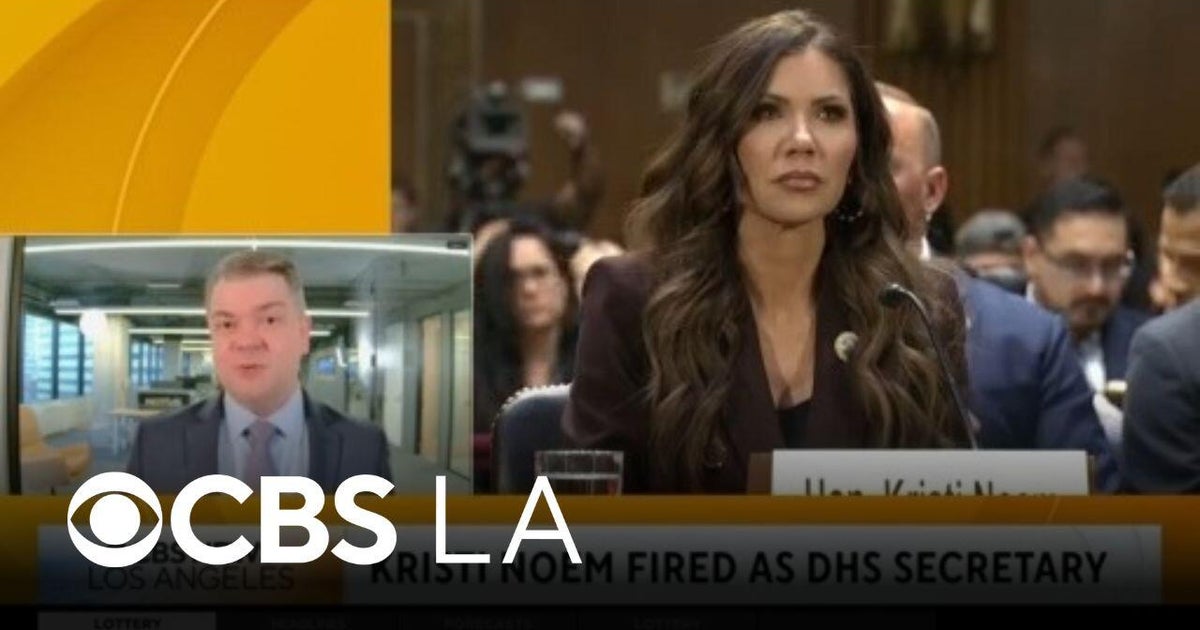
In a move that rattled both Capitol Hill and federal agencies, Kristi Noem was removed from the role of Secretary of Homeland Security in what political insiders are calling a watershed shift for GOP governance. While the White House and party leadership offered competing narratives, the dismissal signals more than a personnel change: it could recalibrate the administration’s approach to border management, immigration policy, counterterrorism coordination, and regulatory reform across the national security spectrum. For Republicans, the decision raises questions about leadership discipline, policy alignment, and the handling of sensitive security portfolios during a period of heightened domestic risk.
What Just Happened
The firing comes amid mounting pressure over DHS operations, including border policy execution, interagency coordination, and the pace of regulatory changes that affect immigration processing, safety standards, and critical infrastructure resilience. Sources indicate tensions over strategic priorities, with the White House pushing for a more centralized, anticipatory security posture, while some GOP factions favored a more aggressive, deregulation-forward approach. The abrupt leadership change casts a spotlight on the administration’s ability to sustainably implement its security and governance agenda while maintaining public confidence in federal operations.
Public & Party Reactions
Reaction among Republicans is mixed. Some lawmakers frame the move as a necessary reorientation toward a more results-focused national security apparatus, emphasizing continuity and expertise in a critical agency. Others warn of instability in DHS’s mission-critical functions, urging a careful transition to avoid policy disruption or gaps in enforcement and emergency response. Democrats portray the firing as a reflection of ongoing internal reckoning within the governing coalition and a signal that the administration will prioritize cohesion and strategic alignment in security policymaking.
Policy Implications and Strategic Dallback
- Border and immigration: With DHS at the center of immigration enforcement and border technology deployment, the leadership change may accelerate or slow reforms depending on the incoming secretary’s philosophy. The new leadership will have to balance humanitarian considerations with national security imperatives, while ensuring operational reliability at ports of entry and frontline agencies.
- Counterterrorism and risk management: DHS’s coordination with the Department of Defense, FBI, and intelligence community is essential to threat assessment and response frameworks. A change at the top heightens the urgency of seamless information sharing, standardized threat briefs, and rapid adaptation to evolving risks.
- Regulatory reform and governance: The transition offers an inflection point for deregulation versus risk-based governance within security sectors. Expect debates over the pace of regulatory changes affecting aviation security, critical infrastructure, and immigration systems, all of which have wide-ranging economic and social consequences.
- Budgetary and staffing dynamics: Leadership turnover often reshapes budget priorities and personnel policies. The new secretary will navigate congressional appropriations, potential reorganizations, and morale within DHS’s thousands of employees who maintain daily public safety operations.
Who Is Affected
- DHS employees and agency partners who rely on consistent leadership and clear strategic directives.
- Immigration and border communities watching for policy signals that affect processing times, compliance requirements, and safety assurances.
- Local and state law enforcement partners who coordinate with federal agencies under homeland security mandates.
- Businesses and industries dependent on air, border, and cyber security standards, including critical infrastructure operators.
Economic or Regulatory Impact
Policy shifts at DHS typically ripple through regulatory timelines, enforcement priorities, and investment in security technologies. A leadership change can influence timelines for regulatory updates, procurement cycles for border technologies (such as inspection systems, surveillance, and data-sharing platforms), and the pace at which security standards are updated across sectors. The market impact may include volatility in defense and cyber-security equities, as investors weigh the stability of federal policy direction and the likelihood of bipartisan support for security reforms.
What Comes Next
- Leadership selection: A rapid transition plan and a transparent appointment process will be essential to reassure stakeholders. The incoming secretary will need to articulate a clear security doctrine that aligns with the broader administration priorities while addressing Congress’s oversight expectations.
- Policy roadmap: Expect an early policy roadmap detailing border management strategies, cyber and critical infrastructure resilience initiatives, and interagency coordination improvements. This roadmap will be scrutinized by lawmakers and advocacy groups across the political spectrum.
- Oversight and accountability: Congressional hearings and committee inquiries are likely as lawmakers probe the rationale behind the firing, the strategic alignment of DHS, and the effectiveness of ongoing initiatives.
- Bipartisan signals: How the administration manages this change could affect cross-party cooperation on national security issues, particularly if the new leadership emphasizes a pragmatic, risk-based approach to governance.
Final take
The dismissal of the DHS secretary marks a consequential moment for U.S. governance, signaling a potential recalibration of how the administration pursues national security, immigration management, and regulatory reform. For the GOP, it presents both an opportunity to recalibrate leadership and a risk if transitions interrupt ongoing security operations or policy momentum. As the new leadership takes shape, all eyes will watch how quickly policy direction coalesces into concrete actions that influence border integrity, threat response, and the broader governance climate in Washington.