Strategic Overview
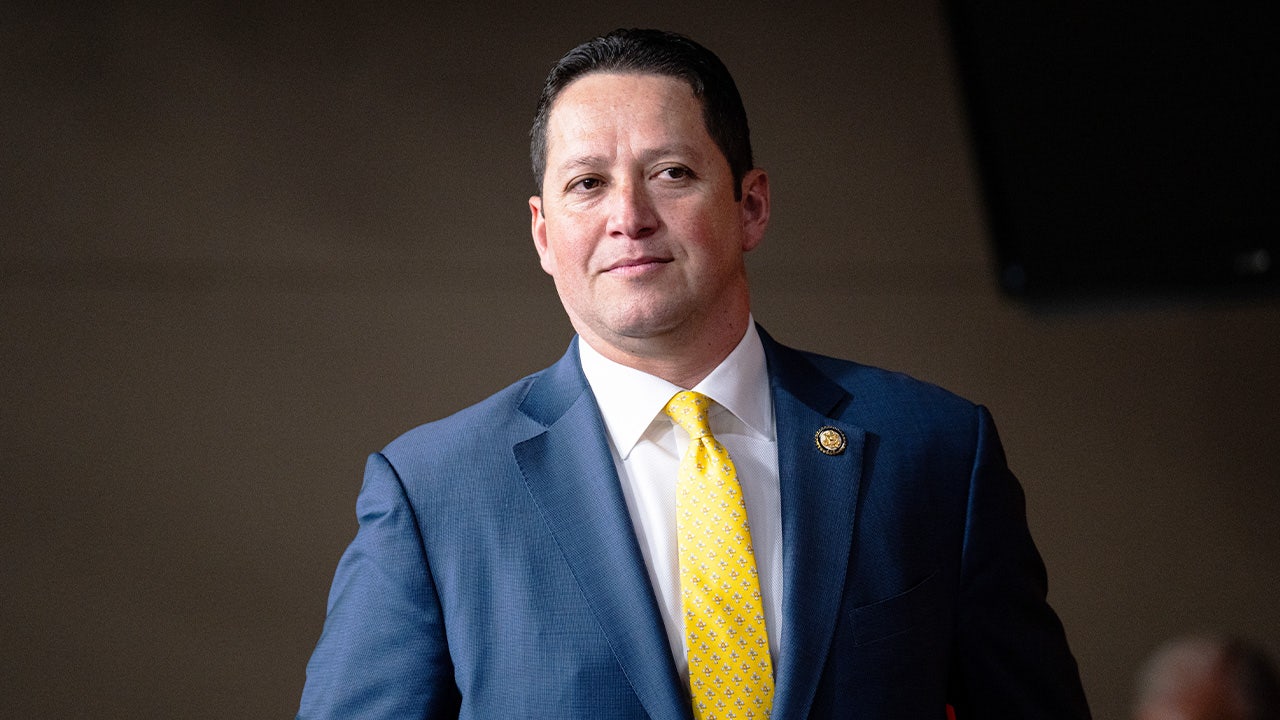
Inside the Republican caucus, pressure is mounting on a prominent Texas incumbent. House GOP leaders have urged Rep. Tony Gonzales to discontinue his bid for re-election, a move that underscores ongoing efforts to recalibrate candidate alignment, district viability, and the broader 2026 political calculus. The development highlights how party leadership prioritizes incumbency quality, brand cohesion, and electoral math as midterm dynamics intensify across key battlegrounds.
What Just Happened
The briefing from House GOP leaders signals a strategic intervention rather than a routine endorsement reversal. While specifics remain private, the message to Gonzales reflects a broader pattern: party officials actively shaping candidate pools in districts where the margin could hinge on fundraising strength, national messaging, and alignment with core GOP priorities. The shift also signals potential early realignment in Texas’ political terrain, where incumbency security and influence within leadership circles are weighed against district-specific challenges.
Electoral Implications for 2026
- Candidate quality and slate shaping: By encouraging a retreat from the race, GOP leadership aims to avoid distracted or misaligned campaigns that could jeopardize the party’s stability in competitive districts.
- Voter perception and trust: The move risks being read as a top-down mandate, potentially energizing both supporters who favor disciplined messaging and opponents who view leadership-directed candidacy as a sign of internal fracture.
- Texas dynamics: Texas remains a pivotal state in national contests. Leadership actions here may influence fundraising, endorsements, and early campaign narratives across other competitive districts in the region.
- Flagship messaging: The episode provides a testing ground for how the GOP frames candidate selection as a governance and accountability issue, potentially shaping how voters weight experience, loyalty, and electability.
Public & Party Reactions
- Within the party: Reactions are likely mixed. Some Republicans may applaud a pragmatic approach to ensuring field strength and unity, while others may push back against perceived constraints on candidate autonomy and local connections.
- Among voters: Independent and swing voters will scrutinize the rationale behind repurposing candidates. Clear messaging that ties the move to broader policy goals and district interests will be crucial to mitigating backlash.
- Opponents: Democratic opponents could seize the moment to portray the party as overly centralized, arguing that such interference undermines local representation and grassroots engagement.
What This Means Moving Forward
- Strategic recalibration: The episode signals a willingness to prune a candidate slate to protect the party’s midterm prospects, a move that could become more common as campaigns double down on issue-based framing and opposition to national agendas.
- Messaging discipline: Expect heightened emphasis on core GOP priorities—cost concerns, border security, and national security—paired with a narrative around responsible governance and disciplined candidate recruitment.
- Local impact vs. national optics: The balance between district-specific concerns (economic conditions, local services, and constituent needs) and national political theater will define how this decision is marketed to voters.
- Future candidate vetting: The incident may trigger a more rigorous vetting process for prospective candidates, especially in districts with tight margins or growing independent sentiment.
Tone and readers’ takeaways
This analysis focuses on governance strategy, political calculus, and electoral consequences for 2026. The underlying takeaway is that party leadership is actively shaping the candidate landscape to optimize coalition-building, messaging clarity, and vote efficiency. For Texas and similarly competitive districts, the Gonzales episode may become a case study in leadership-driven candidate management and its impact on voter confidence and campaign dynamics.