Strategic Overview
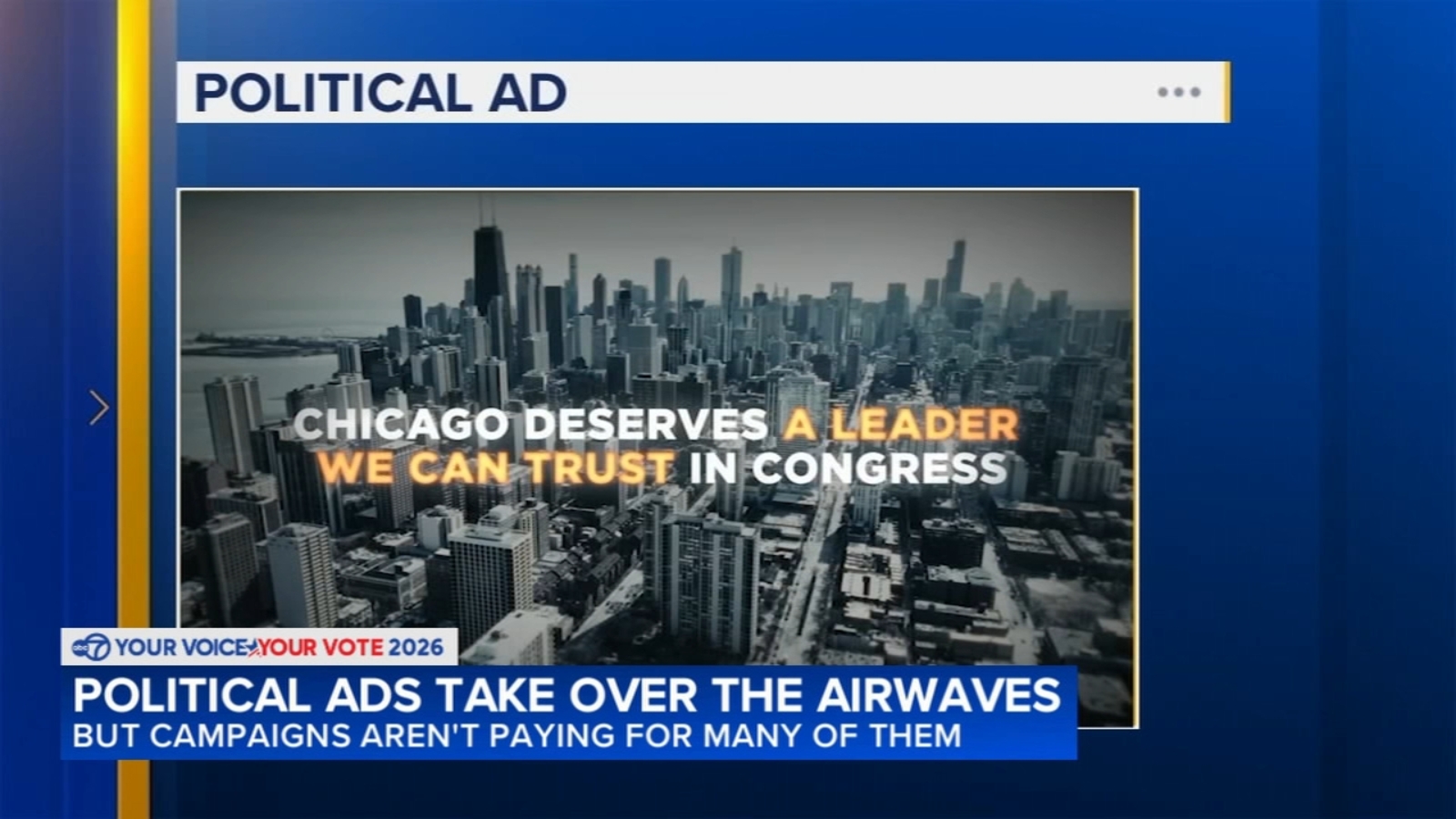
With the Illinois primary just under two weeks away, political advertising has surged to the forefront of the state’s electoral battlefield. The broadcast and digital airwaves are crowded with messages funded by Super PACs and aligned committees, intensifying the battle over messaging, voter turnout, and resource allocation. This influx of cash-driven advertising signals a broader shift in 2026 campaigns: high-stakes rhetoric paired with meticulous audience targeting designed to shape primary outcomes and influence general-election dynamics.
What Just Happened
In the weeks leading to Illinois’ primary, outside groups have deployed a torrent of ads aimed at swaying conservative and moderate voters, denoting an escalation in campaign finance activity. The ads vary in tone—attacking opponents on policy, highlighting contrasting records, and leveraging endorsements—to maximize resonance in key counties and media markets. The saturation points are evident: more airtime buys, strategic timing to precede early voting, and a focus on issues with lingering public salience, such as economy, public safety, and taxes. This rapid mobilization by Super PACs underscores a broader trend where independent groups can amplify or counterbalance candidate messaging without the same fundraising constraints as the campaigns themselves.
Electoral Implications for 2026
The ad blitz could influence turnout in tight races by clarifying contrasts on core issues or by attempting to depress or energize specific demographics. Voters exposed to a higher volume of messaging may form impressions based on repeated negatives or positives, potentially compressing the information space and elevating the role of microtargeted content. For candidates, the external spending translates into a need to recalibrate campaign platforms, allocate resources to rapid-response operations, and coordinate with state party structures to ensure messaging coherence. The outcome of Illinois’ primary could reverberate beyond state lines, informing how campaigns plan ad buys and issue framing in similar midterm-to-early-cycle contests across 2026.
Public & Party Reactions
Candidates and party officials are navigating a delicate balance between acknowledging the influence of outside spending and striving to maintain a coherent, authentic message. Supporters of robust outside spending often argue that Super PACs expand political participation opportunities and provide critical counterweights to entrenched incumbents or well-funded opponents. Critics contend that rapid-fire ads can overwhelm voters with noise, reduce policy deliberation, and create narrowing of issue discussion. In Illinois, observers are watching not only the electoral math but also how the public interprets ad disclosures and perceived authenticity of the messages.
What This Means Moving Forward
- Strategy shifts for campaigns: Expect heightened emphasis on rapid-response infrastructure, data-driven segmentation, and cross-platform messaging to saturate the airwaves while maintaining message discipline.
- Regulation and transparency: The ad surge keeps scrutiny on disclosure timing, Chinese-wall compliance for cooperating groups, and the evolving conversation around the role of Super PACs in primary contests.
- Voter information and media literacy: As ads proliferate, voters benefit from accessible, nonpartisan guides that contextualize messaging, helping to separate policy signals from persuasion tactics.
- Long-term campaign dynamics: If the Illinois primary tightens, campaigns may borrow ad formulas and micro-targeting methods for later stages, potentially accelerating the cadence of paid political content across other states.
What This Means for Voters and Governance
The Illinois experience underscores how Super PACs and independent committees can shape electoral narratives ahead of critical ballots. For voters, the challenge lies in parsing a flood of messages to discern policy positions and track records. For lawmakers and regulators, the trend highlights ongoing questions about transparency, impact, and the balance between expressive freedom and informed civic participation. As 2026 unfolds, Illinois could serve as a bellwether for how outside spending and aggressive advertising interact with candidate quality, fundraising ecosystems, and the health of the democratic information environment.