Strategic Overview
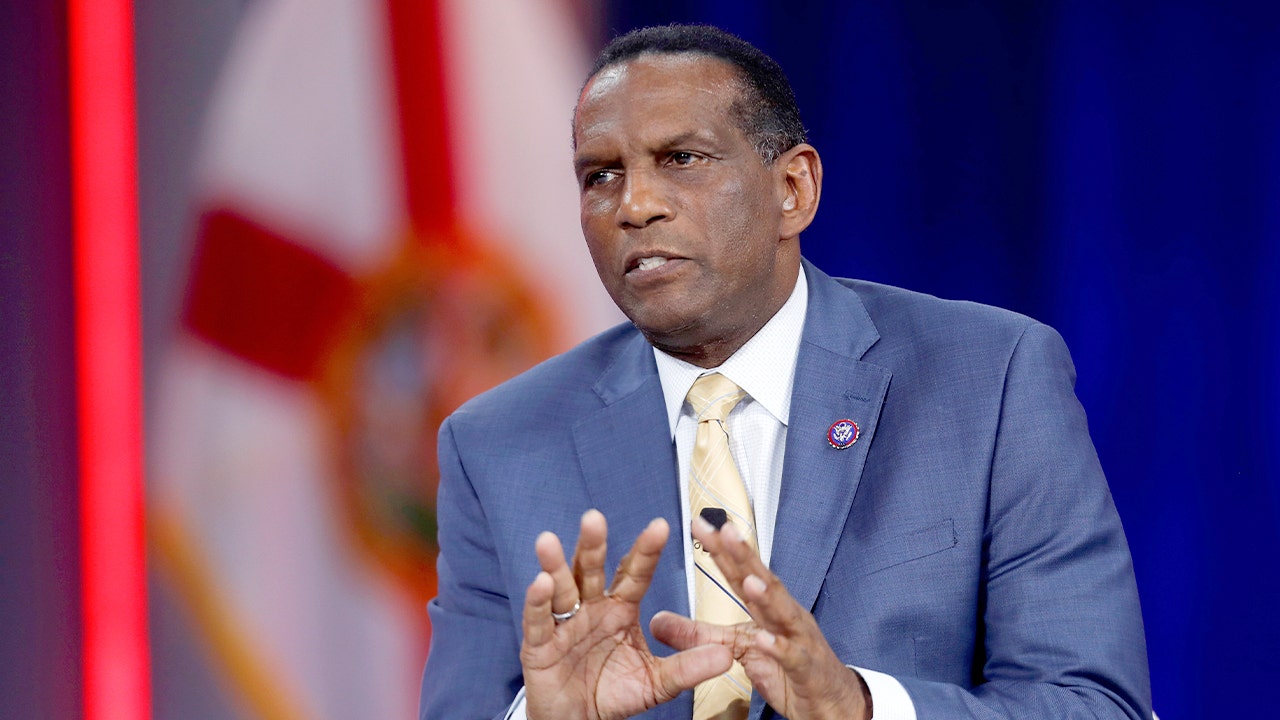
Utah Congressman Burgess Owens, a Republican and former NFL star who has been a vocal ally of former President Donald Trump, confirmed he will not seek reelection in 2026. He will honor the remainder of his current term but retire from Congress at the conclusion of his tenure. The move sets the stage for a significant shift in Utah’s GOP landscape, with implications for party leadership, candidate recruitment, and the overall arc of the 2026 midterm cycle in a state that leans red but is not monolithic in its political currents.
What Just Happened
Owens’ decision removes a high-profile, Trump-aligned voice from Utah’s congressional delegation ahead of the 2026 elections. As a member of the House, he has positioned himself as a conservative firebrand on cultural and security issues, while also emphasizing practical governance. His departure creates an opening for new Republican contenders and potentially reshapes intra-party dynamics in Utah’s 4th Congressional District and surrounding GOP networks. The move underscores broader trends: incumbents weighing long-term political risk, generation-shifting leadership, and strategic recalibration in response to national currents.
Electoral Implications for 2026
- Candidate recruitment and primary dynamics: Owens’ exit opens opportunities for both established Utah Republicans and rising figures seeking to blend strong conservative credentials with broader appeal. The 2026 primary landscape could see a contest centered on leadership style, policy emphasis, and ability to mobilize key donor networks.
- Party messaging and coalition-building: With a retirement, the Utah GOP will likely sharpen its message to emphasize inflation control, national security, and cultural debates, while balancing the district’s suburbs and rural pockets. A successor will need to navigate internal party factions and the district’s changing demographic profile.
- Impact on national strategy: Utah has been a reliable Republican stronghold, but 2026 may hinge on turnout, rural-urban divides, and the party’s stance on national issues. Owens’ departure may alter the calculus for campaign strategists aiming to defend the seat while expanding the party’s governing voice in Congress.
Public & Party Reactions
Initial responses from Utah Republicans emphasize continuity and readiness to compete for the seat. Party officials are signaling a focus on strong candidate recruitment and maintaining the district’s conservative stance. National actors on both sides will monitor developments, assessing how Owens’ departure could influence fundraising dynamics, campaign staffing, and district-level endorsements. For voters, the retirement invites scrutiny of who best represents the district’s interests in a moment of national polarization and shifting policy focus.
What This Means Moving Forward
- Governance and representation: The departure of a high-profile figure like Owens highlights a broader trend of leadership renewal within the Republican caucus. The next representative will carry the dual responsibility of defending a Republican-leaning district while addressing local issues such as public safety, education, infrastructure, and economic growth.
- Fiscal and legislative posture: Expect debates over federal spending priorities and regulatory approaches to intensify as candidates articulate distinct visions for accountability, energy policy, and security commitments. The evolving federal landscape will pressure the eventual nominee to demonstrate effective collaboration with both party wings and moderates in the district.
- Long-term implications for Utah’s political cycle: Owens’ exit could catalyze a broader realignment within Utah’s GOP, influencing endorsements, fundraising avenues, and candidate vetting processes ahead of 2026. The outcome will contribute to the state’s reputation as a proving ground for cautious centrist to conservative alignment in a changing national context.
Conclusion
Rep. Burgess Owens’ retirement marks a notable turning point in Utah’s 2026 electoral calculus. While the incumbent term continues, the coming race will test the Republican Party’s ability to sustain its electoral advantages, cultivate capable leadership, and articulate a forward-looking governance agenda that resonates with a diverse and dynamic electorate. As Utah prepares for the next electoral chapter, the race to succeed Owens will be watched closely by strategists, voters, and national political observers alike.