Strategic Overview
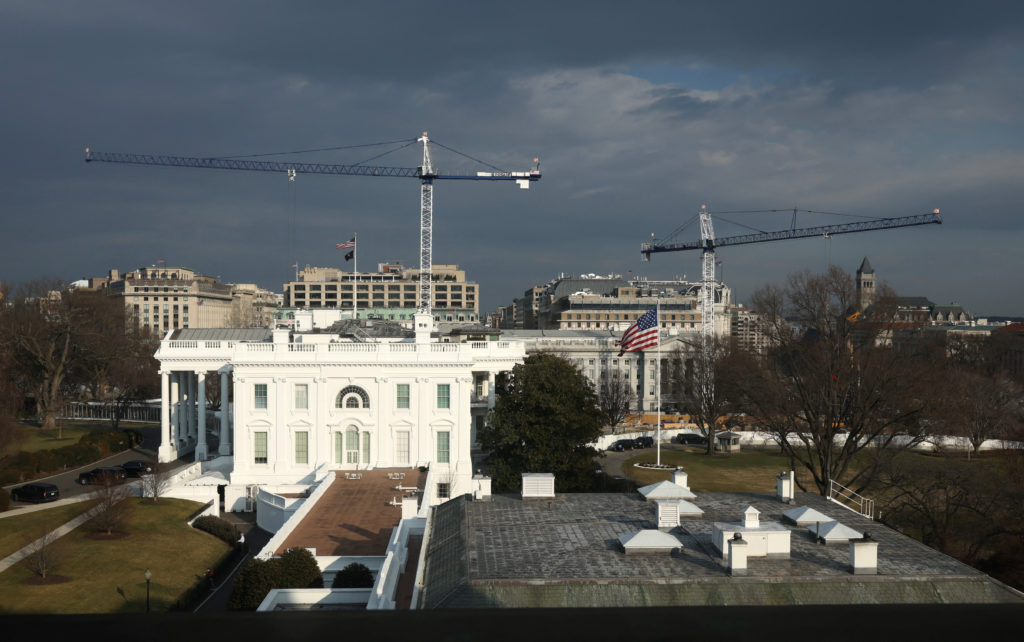
A high-profile hearing before the National Capital Planning Commission (NCPC) centers on Donald Trump’s proposed ballroom project, highlighting how large-scale private developments intersect with federal planning authority. The session underscores the complexity of approvals at the intersection of urban design, public space, and political symbolism. As lawmakers and planners weigh the proposal, observers are watching for signals about regulatory risk, process transparency, and the impact on regional infrastructure and public access.
What Just Happened
The NCPC meeting examined nuanced elements of the project—from site layout and massing to traffic, security, and public realm implications. While participation varied between officials, planners, and lobbyists, the central question remained: how does a high-visibility political venue integrate with established planning norms and federal interests? No final decision was rendered in this session, but the proceedings clarified the criteria that will shape any forthcoming approvals or denials.
Electoral Implications for 2026
Urban development fights routinely become proxy battles in national campaigns, particularly when a project carries high political symbolism. This hearing may influence voter perceptions of governance competence, regulatory fairness, and the administration’s willingness to engage with cross-jurisdictional planning considerations. For Trump-era and post-Trump voters alike, the outcome could be framed as a test of governance, accountability, and the ability of federal bodies to check ambitious private ventures within a dense capital region.
Public & Party Reactions
Expect a mix of advocacy groups, civic associations, and local businesses weighing in on the project’s benefits and costs. Proponents may argue that the development spurs economic activity and tourism, while opponents may cite traffic congestion, security concerns, and questions about public access to space. Parties on the political spectrum could leverage the hearing to illustrate administrative competence or to spotlight perceived regulatory overreach, depending on their strategic messaging needs ahead of elections.
What This Means Moving Forward
If the NCPC signals a path toward conditional approval, it could set a precedent for how politically charged developments navigate federal review processes without stalling investment in the urban fabric. Conversely, a delay or stringent conditions could amplify arguments about regulatory rigidity and the need for procedural reforms. In either scenario, the outcome will influence how political actors frame urban policy, investment climate, and the role of federal oversight in local development.
Context and Forward-Looking Analysis
- Governance and planning: The hearing emphasizes the delicate balance between private ambition and public interest in a capital city known for its design standards and security considerations.
- Regulatory risk: The process highlights the potential for fluctuating regulatory risk in high-profile projects, which can ripple into financing, timelines, and stakeholder confidence.
- Voter sentiment: In 2026, voters scrutinize executive and regulatory efficiency. A transparent, predictable review process could bolster perceptions of responsible governance, while opaque or protracted reviews may fuel critiques of bureaucratic inertia.
- Policy signal: The case touches on broader questions about how federal planning authorities coordinate with state and local entities to manage growth, infrastructure, and public space in a globally symbolic city.
Notes on the Tone and Framing
The analysis focuses on strategic implications for policy, governance, and electoral dynamics rather than the specifics of the design aesthetics. It treats the NCPC hearing as a barometer for how urban policy debates unfold in a polarized political environment, with emphasis on practical consequences for communities, investors, and voters.
Endnotes
- The article remains neutral on conclusions, presenting how regulatory decisions could shape the political and economic landscape as 2026 unfolds.