Strategic Overview
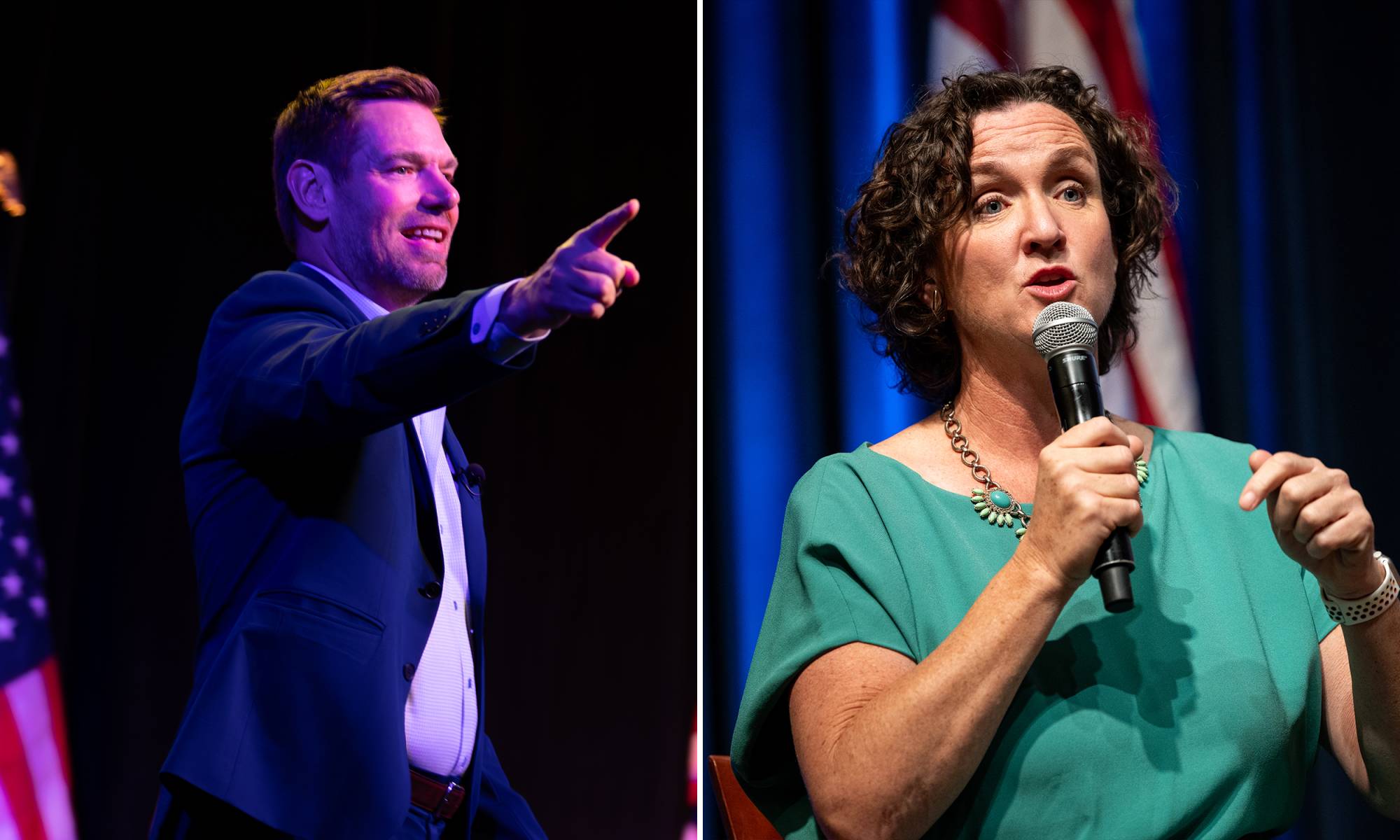
For decades, California’s governor’s race followed a predictable script: contenders built statewide credibility through elected office, party leadership roles, or high-profile state service. That template is being disrupted in 2026 as high-profile figures with national platforms leverage broad media reach and viral moments to contend for California’s top post. Rep. Eric Swalwell and former Rep. Katie Porter epitomize this shift, using television, social media, and national attention to challenge a crowded field that historically leaned on deep California political pedigrees.
What Just Happened
The 2026 campaign cycle has spotlighted out-of-state notoriety translating into serious gubernatorial ambition. Swalwell and Porter, both known for national media presence and aggressive digital strategies, have accelerated their bids with rapid messaging, fundraising traction, and high-visibility moments that resonate with diverse California constituencies. This approach contrasts with the traditional pathway where statewide experience and established intra-state machine politics tend to dominate. The result is a race that looks less like a state-centric progression and more like a nationalized political contest with California as the primary battleground.
Electoral Implications for 2026
- Voter Framing: The race is reframing what qualifications voters prioritize at the governor level, elevating brand recognition and the ability to mobilize online networks over decades of state-level governance.
- Coalition Building: Nationalized campaigns may redraw coalitions, pulling in suburban and urban voters who respond to media-savvy, issue-centered messaging while testing the boundaries of traditional California party alignment.
- Field Dynamics: A candidate with broad national airtime can alter fundraising tempo and advertising allocation, pressuring rivals to match fast-moving messaging cycles and multimedia saturation.
- Policy Signals: As the race leans into national conversations—such as housing, climate resilience, healthcare, and economic competitiveness—voters will weigh the candidates’ capacity to translate broad platforms into practical statecraft for California’s diverse regions.
Public & Party Reactions
Within parties, the shift sparks a debate about the merits of national appeal versus regional governance experience. Supporters of the Swalwell-Porter approach argue that California’s complexities require bold, contemporary leadership capable of cross-cutting coalitions and high-visibility crisis management. Critics caution that bypassing traditional statewide experience could raise governance risk, particularly on issues deeply rooted in California’s regulatory environment, budget cycles, and intricate public service structures. Voter interest appears engaged, with audiences drawn to dynamic debate formats, rapid-fire messaging, and a sense of accountability facilitated by digital-era campaigning.
What This Means Moving Forward
- Party Realignment Questions: If national media fluency continues to outpace traditional credentials, parties may need to recalibrate candidate development pipelines and outreach strategies to align with evolving voter expectations.
- Policy Delivery Expectations: Californians could demand faster, clearer commitments on housing supply, climate resilience, and economic mobility, with donors and interest groups seeking tangible plans alongside charismatic branding.
- Electoral Norms: The 2026 race may become a case study in how media ecosystems influence gubernatorial legitimacy, potentially guiding future campaigns in other states toward more media-centric, rapid-response models.
Tone: The California gubernatorial contest is: a strategic pivot in how political power is earned and demonstrated. It foregrounds the tension between proven governance experience and the contemporary advantages of national exposure, rapid messaging, and digital mobilization. As voters weigh experience against media-infused leadership, the outcome could redefine the profile of who competes—and who succeeds—in California’s highest office.