Strategic Overview
In a moment charged with partisan dispute, Republican members of the House Oversight Committee zeroed in on Minnesota’s top elected officials over their approach to rooting out fraud in government programs. The confrontation centers on whether state leadership has effectively prioritized enforcement and oversight, or whether procedural delays have allowed fraud risks to persist. With 2026 in view, the clash highlights broader questions about governance credibility, federal-state collaboration on program integrity, and how voters weigh competence versus partisanship.
What Just Happened
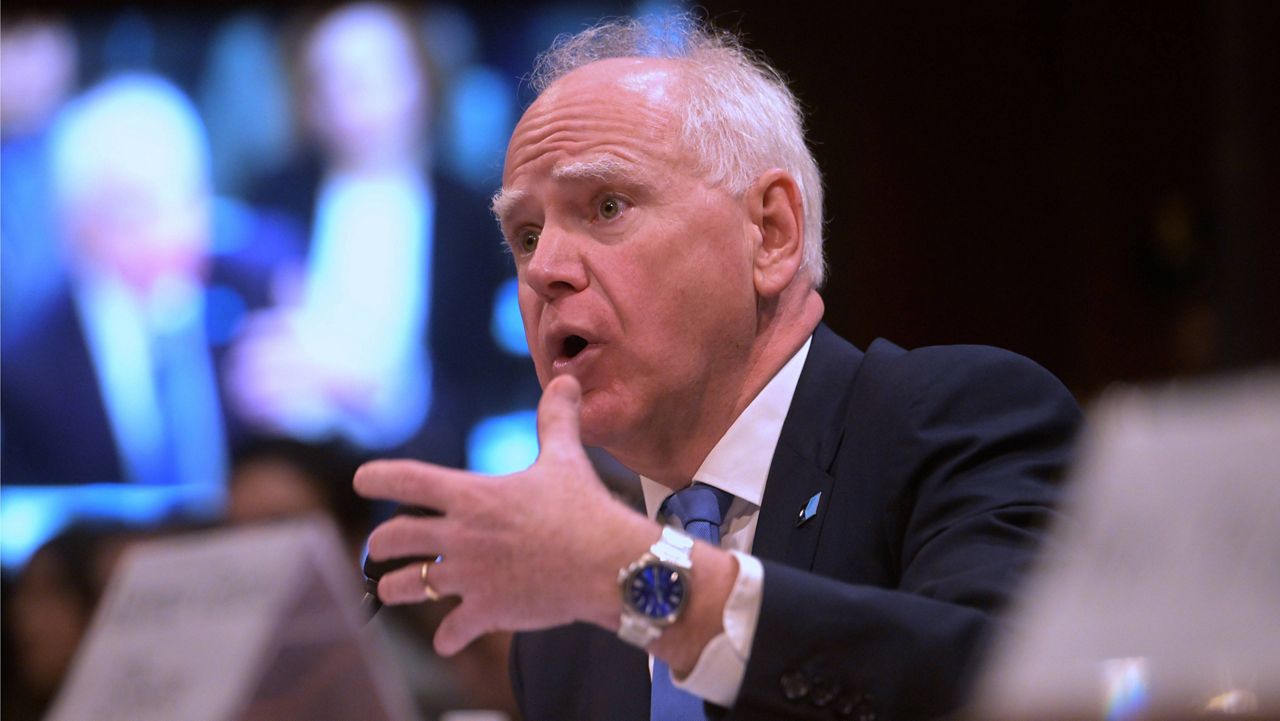
During congressional scrutiny, Republicans accused Minnesota Gov. Walz and the state attorney general of stalling or dragging their feet in the fight against fraud in public programs. The exchange underscored perceived gaps between enforcement rhetoric and tangible results, prompting questions about staffing, budgeting, and interagency cooperation. Supporters of the administration counter that investigations require due process, careful data analysis, and interagency coordination—factors that can temper speed with accuracy. Regardless, the moment crystallizes a political battleground where accountability and administrative efficiency become focal points in a crowded policy landscape.
Electoral Implications for 2026
The tension between elected leaders and oversight Republicans has potential downstream effects on voter perceptions of governance quality. For Walz and Minnesota’s attorney general, the narrative could influence statewide trust in public institutions and the perceived effectiveness of fraud prevention programs. For opponents, the framing may translate into arguments about bureaucratic inertia or mismanagement, offering a campaign angle on governance competence. In a national climate where program integrity is a recurring theme, the episode could sharpen contrasts between leadership styles and spur voters to demand tangible results, not rhetoric.
Public & Party Reactions
Reaction from lawmakers, advocacy groups, and political observers is likely to cluster around a few axes:
- Accountability optics: Are officials delivering measurable reductions in fraud or merely signaling action?
- Resource implications: Do investigations have adequate staffing and funding to be effective?
- Process transparency: Will data and methodology be openly shared to build public trust?
- Partisan framing: How will opposition use the issue in debates about governance and federal-state responsibilities?
These dynamics will shape conversations in state legislatures, local media, and national political discourse as 2026 campaigns approach.
What This Means Moving Forward
The episode foregrounds a broader trend: voters expect rigorous enforcement in fraud and misuse cases tied to government programs. For policymakers, the challenge is to demonstrate steady progress through transparent metrics and regular reporting, while maintaining lawful and methodical investigative processes. If the administration can translate discourse into measurable wins—such as reduced fraud rates, faster case resolution, and clearer oversight routines—it could bolster its standing on governance competence. Conversely, persistent questions about timeliness and effectiveness may fuel opposition messaging around administrative inertia and misallocation of resources.
Policy Context and Implications
Contextually, the Minnesota situation sits at the intersection of program integrity, regulatory oversight, and intergovernmental cooperation. State agencies typically balance speed with accuracy in fraud investigations, weighing risks of false positives, civil liberties concerns, and the need for evidence-based outcomes. The national spotlight on fraud prevention programs heightens the stakes, as missteps or perceived delays can reverberate in federal funding discussions, compliance audits, and future legislative oversight.
Forward-Looking Risks and Opportunities
- Risk: If perceived delays persist, public confidence in state governance could erode, potentially shaping local and national electoral narratives.
- Opportunity: Demonstrated improvement in fraud detection, enforcement efficiency, and stakeholder transparency could reinforce a narrative of competent, results-driven governance.
- Regulatory trajectory: The episode may spur advocates and lawmakers to push for enhanced data-sharing protocols, clearer performance benchmarks, and more robust interagency accountability frameworks.
- Political strategy: Parties may adjust messaging to emphasize either proactive enforcement or efficient administration, depending on which narrative resonates with voters.
Conclusion
The dispute over Minnesota’s approach to fraud in government programs illustrates a pivotal intersection of governance, accountability, and electoral strategy. As 2026 approaches, the key test for policymakers will be turning scrutiny into verifiable improvements—demonstrating that urgency in fraud prevention translates into tangible, transparent, and timely outcomes for residents. The outcome of this governance debate could influence how voters assess leadership credibility when it matters most: effective stewardship of public programs and the integrity of government spending.