Strategic Overview
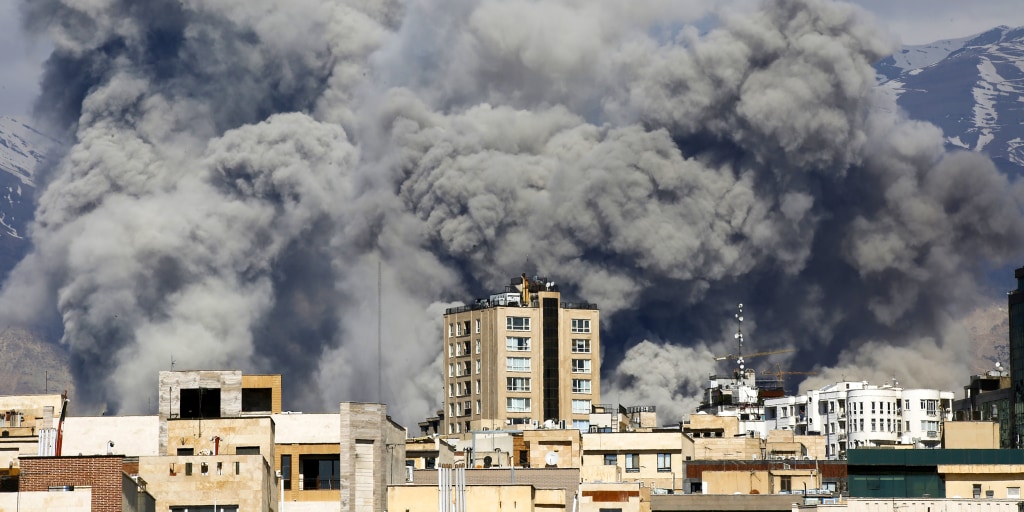
A recent NBC News poll shines a stark light on how voters view the United States’ recent military posture toward Iran. While Washington has framed its actions as necessary for national security, a broad swath of independents—along with a notable minority of Republicans—disapprove of the approach. The outcome is more than a snapshot of opinion; it signals a potential recalibration of priorities for 2026 campaigns, policy debates, and how the administration markets national security choices to a wary electorate.
What Just Happened
The public’s read of the Iran episode reflects a friction between urgent national security concerns and the appetite for risk in U.S. foreign engagements. Independents, who often scrutinize credibility, costs, and unintended consequences, express growing hesitation about military intervention. The data also reveals a nuanced political split: while some conservatives maintain support for hard lines, a nontrivial portion of Republicans appear skeptical of military escalation, aligning more closely with a cautious, consequence-aware stance taken by many swing voters.
Electoral Implications for 2026
- Voter sentiment: Independent voters are poised to be pivotal in key states if foreign policy choices are perceived as costly or risky. A finding that a majority disapproves of the handling underscores a potential electoral penalty for incumbents or challengers who advocate aggressive action without clear, measurable limits or exit ramps.
- Campaign framing: Candidates may shift toward emphasizing diplomacy, allied coordination, and transparent risk assessments, pairing assertive rhetoric with a concrete plan for de-escalation and accountability.
- Issue salience: While inflation, jobs, and health care remain core concerns, foreign policy credibility and the cost of conflict could rise as decisive elements in swing districts and suburban counties.
Public & Party Reactions
- Independents: The poll’s takeaway is a warning shot to both parties about overreliance on muscular foreign policy. Independents value strategic patience, credible timelines, and evidence of measurable outcomes before committing to long-term commitments.
- Republicans: A split exists within the party, with some factions pressing for tough action and others urging restraint or a more multilateral approach. This division can complicate unified messaging ahead of primary battles and general election debates.
- Democrats: The administration faces pressure to justify decisions with clearer exit strategies, risk assessment, and a compelling articulation of national security benefits that resonate with a broad electorate.
What This Means Moving Forward
- Policy clarity: There is a need for transparent criteria for military actions, including defined objectives, exit ramps, and post-conflict stabilization plans. Clear metrics on success and cost controls could ease public skepticism.
- Diplomatic emphasis: The political climate may favor a more robust diplomatic push—strengthening alliances, sanctions coordination, and diplomatic channels—to demonstrate a comprehensive strategy beyond battlefield moves.
- Accountability and communication: Voters reward accountability. Regular, accessible updates on what constitutes success, what reduces risk, and how public resources are being used will shape trust and credibility.
Conclusion: Navigating a wary electorate in 2026
The latest polling underscores a competitive environment for foreign policy that prioritizes pragmatism over bravado. As campaigns begin to crystallize around national security questions, candidates who combine firm deterrence with credible diplomacy, clear exit plans, and transparent cost assessments could gain a distinct edge. For policymakers, the takeaway is simple: align actions with public expectations for responsibility, calculable risk, and demonstrable national interest. The Iran episode thus sets the stage for a broader conversation about how the United States engages in high-stakes international conflict in a politically polarized era.