Strategic Overview
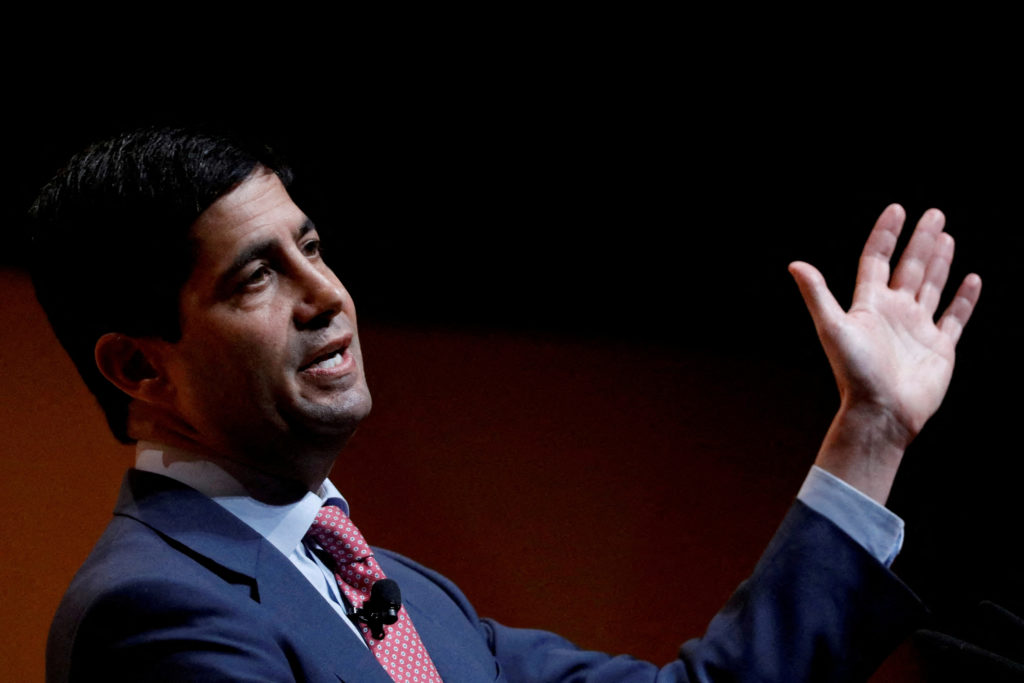
The White House has formally nominated Kevin Warsh to become the next chair of the Federal Reserve, a high-stakes move that could recalibrate the central bank’s policy stance and its regulatory posture. Warsh’s nomination, first announced at the end of January, has now advanced to the Senate Banking Committee for consideration. As the Fed sits at the crossroads of inflation, employment, and financial stability, Warsh’s approach to monetary policy and financial regulation will be pivotal for markets, lenders, and borrowers alike in 2026.
What Just Happened
- Nomination Delivered: The administration’s selection of Kevin Warsh represents a deliberate choice to pursue a leadership change at the Fed during a period of ongoing economic reorientation, signaling a potential shift in policy emphasis.
- Senate Pathway: The nomination has been forwarded to the Senate Banking Committee, which will vet Warsh’s qualifications, philosophy, and readiness to guide monetary policy through upcoming cycles.
- Public Signals: Early messaging from proponents frames Warsh as a practitioner of prudent risk management and a defender of price stability, while critics may scrutinize his views on inflation anchoring and financial regulation after crisis-era reforms.
Electoral Implications for 2026
- Policy Certainty vs. Debate: A Warsh tenure could influence the perceived predictability of monetary policy, shaping investor expectations and corporate financing decisions ahead of key elections.
- Regulatory Philosophy: Commerce, labor, and financial sectors may adjust their strategic planning in anticipation of a more or less aggressive regulatory posture, depending on Warsh’s stated priorities and committee feedback.
- Voter Sentiment and Trust: The Fed’s independence and governance choices often reverberate in public trust and political discourse, potentially becoming a focal point in the broader narrative of economic stewardship.
Public & Party Reactions
- Republican Alignment: Some lawmakers may welcome a stance favoring price stability and cautious regulation, citing concerns about overreach in monetary policy or financial supervision.
- Democratic Perspectives: Support or concern may hinge on balancing inflation control with inclusive growth and ensuring robust oversight of financial risks.
- Market Readiness: Traders and institutions will watch for early signals on interest-rate trajectory, balance-sheet policy, and regulatory reform—posture that can influence asset prices and capital allocation.
What This Means Moving Forward
- Policy Trajectory: Warsh’s leadership could tilt the Fed toward particular inflation-fighting frameworks, with implications for interest-rate paths, asset purchases, and balance-sheet normalization.
- Regulatory Balance: Expectations about financial regulation may shift, including how the Fed coordinates with other agencies on systemic risk oversight and market conduct rules.
- Legislative Oversight: The Senate Banking Committee’s scrutiny will shape not only Warsh’s confirmation but also the administration’s broader regulatory agenda and its signaling to markets and businesses.
Additional Context and Considerations
- Historical Lens: Federal Reserve chairs matter for credibility and policy clarity. Warsh’s prior viewpoints and decisions will be weighed against contemporaries who have guided the central bank through multipolar economic challenges.
- Economic Environment: In a climate of ongoing inflation management, wage dynamics, and global risk, the confirmation hearing will likely dissect debt dynamics, financial stability, and the Fed’s communication strategy.
- Next Milestones: The committee’s review, potential amendments, and eventual full Senate vote will determine the timeline and final shape of Fed leadership for the near term.
Conclusion
The formal nomination of Kevin Warsh to lead the Federal Reserve sets the stage for a consequential debate over the central bank’s direction in 2026. As the Senate Banking Committee takes up the nomination, markets and policymakers will be closely watching for signals about inflation resilience, financial regulation, and the governance framework that underpins U.S. monetary stability. The outcome will not only define the Fed’s immediate policy posture but also influence political discourse around economic stewardship in the year ahead.