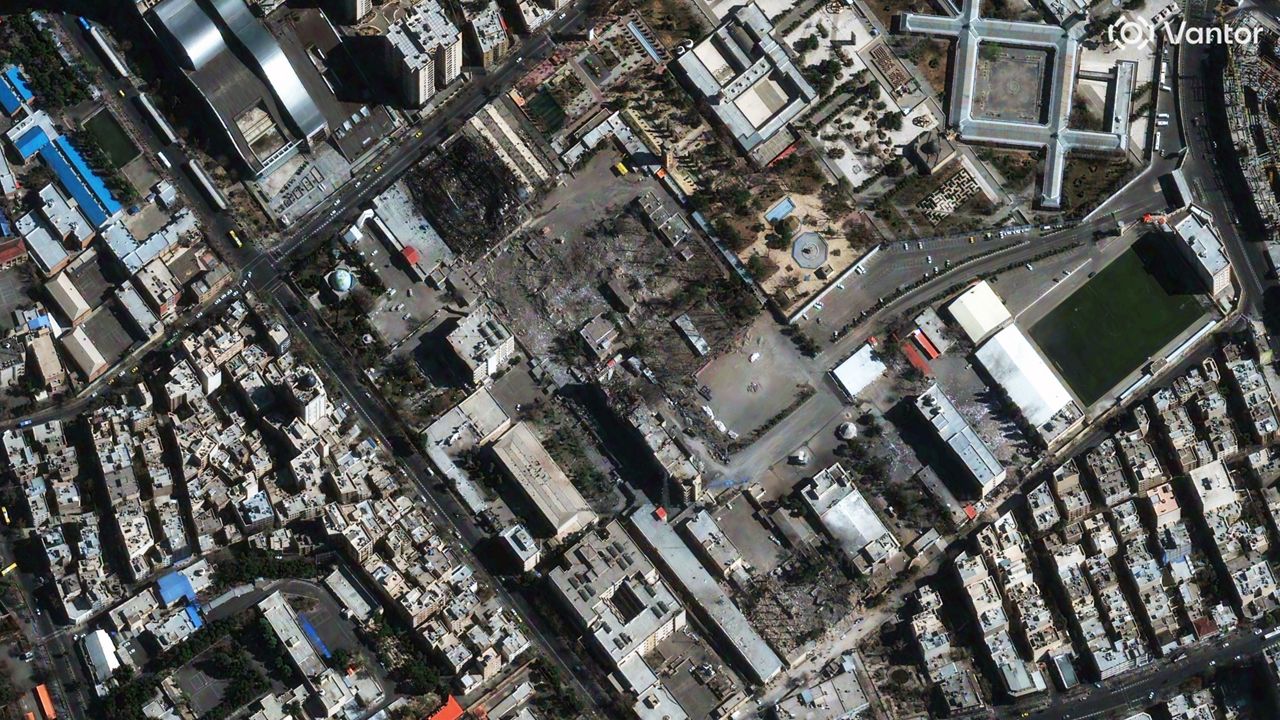
Situation Brief
Rising tensions in the Persian Gulf have put U.S. policymakers on high alert. Reports indicate intensified military activity as Washington coordinates with allies and pushes for visible deterrence against Iran. In parallel, senior members of the administration have been engaging with Congress to briefing lawmakers on strategic aims, risks, and the political ramifications of ongoing actions. The moment captures a broader shift in the U.S. foreign policy posture as the 2026 political cycle accelerates.
Strategic Stakes
The core question for lawmakers is how to balance deterrence with diplomacy, while safeguarding national interests and regional partners. Key stakes include preventing escalation that could disrupt global energy markets, maintaining alliance credibility with Gulf partners, and ensuring that any military steps align with both legal authorities and public support. The current trajectory suggests a prioritization of rapid decision-making, backed by robust oversight to avoid mission creep or unintended consequences.
Impact on US Interests
Security, diplomacy, and economy intersect in this scenario. A proactive approach could bolster deterrence and reassure allies; however, it also risks drawing the United States deeper into a regional conflict. Lawmakers will scrutinize the costs—military, geopolitical, and political—and weigh them against potential strategic gains. The balance of risk and reward will shape budgetary debates, including defense funding and interagency coordination.
Global Power Dynamics
Iran-related tensions are not isolated. U.S. actions intersect with broader contests among major powers, including Russia and China, who monitor American moves for strategic advantage. The administration’s messaging to Congress will likely emphasize coalition-building and regional stability, while opponents may press for stricter sanctions or a clear diplomatic off-ramp. This dynamic could influence 2026 electoral conversations around leadership, credibility, and the effectiveness of U.S. deterrence.
Forward-Looking Risks
- Escalation risk: A miscalculation could lead to broader conflict or unintended incidents in busy maritime corridors.
- Diplomatic deadlock: Without a credible off-ramp, sanctions or military pressure may stagnate, eroding domestic patience.
- Economic ripple effects: Energy markets and global supply chains could experience volatility, feeding domestic political debates over energy independence and regulatory responses.
- Domestic political fallout: As Congress debates posture and funding, public opinion could pivot on perceived competence and the cost of action.
What This Means Moving Forward
For 2026, the dialogue between the executive branch and Congress will shape the administration’s capacity to manage crisis and deter aggression without triggering a broader regional war. Expect heightened emphasis on:
- Clear authorization and oversight: Lawmakers will push for precise authority, transparent rules of engagement, and regular briefings that translate military posture into measurable objectives.
- Alliance coordination: Maintaining and strengthening international coalitions will be a centerpiece, emphasizing shared risk and burden-sharing.
- Economic considerations: Debates over sanctions, export controls, and defense spending will be calibrated against the dual aims of deterrence and economic resilience at home.
- Public communication: The Administration will need strategic messaging that explains risks, rationale, and expected timelines to maintain public and partisan support.
Public & Party Reactions
Expect a split along conventional lines: proponents will frame actions as essential for deterrence and regional stability, while opponents will call for caution, diplomatic channels, and tighter oversight to prevent escalation. Critics may argue for a more transparent pathway to diplomacy and a clear plan for escalation management. The 2026 political environment will test the administration’s ability to sustain bipartisan support for a high-stakes security posture.
What This Means for Voters and Governance
The events in the Persian Gulf will likely influence perceptions of leadership, competence, and the cost of foreign policy decisions. Voters may evaluate candidates on their stance toward military engagement, allied coordination, and the effectiveness of sanctions and diplomatic tools. For governance, the episode reinforces the importance of robust congressional oversight, clear statutory authorities, and a coherent strategy that aligns national security objectives with domestic economic and political realities.
Final note
As the situation develops, observers should watch for new briefing schedules, the specifics of any proposed sanctions or military adjustments, and the administration’s stated criteria for measuring success in this high-stakes geopolitical environment.