Strategic Overview
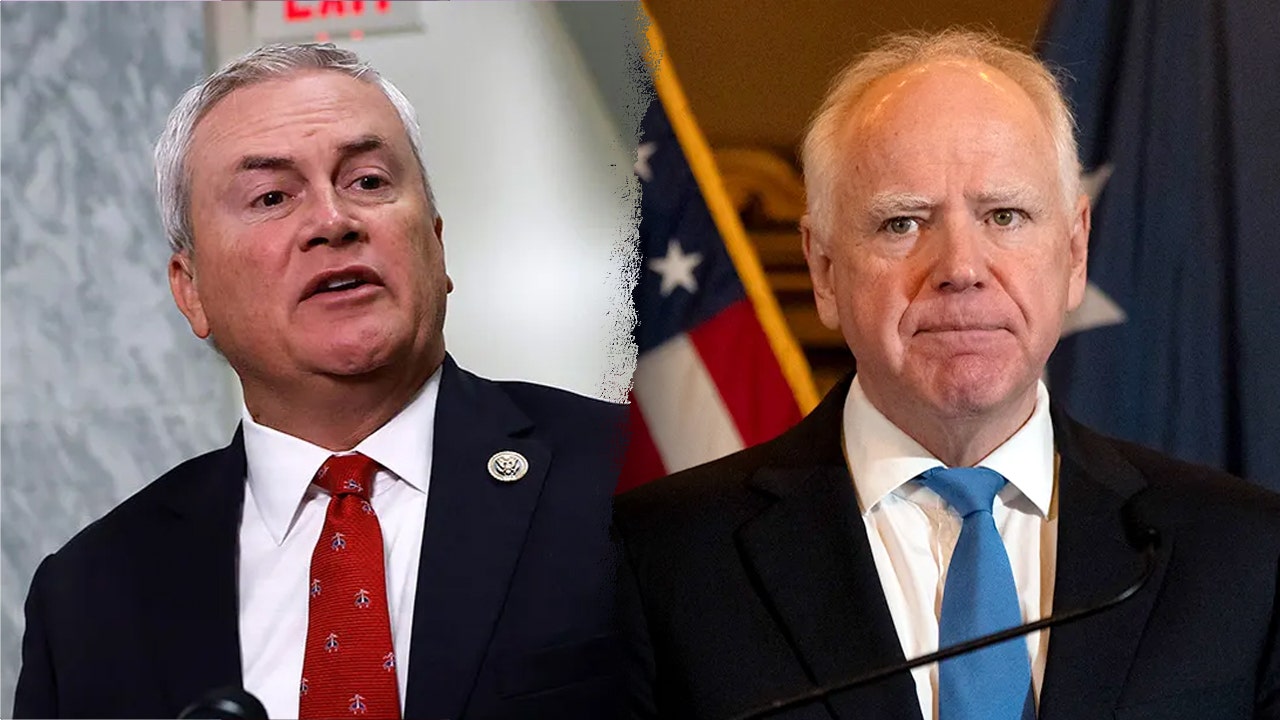
A newly released, 53-page report from House Oversight Republicans places Minnesota Governor Tim Walz at the center of a high-stakes accountability debate over welfare program integrity. The document contends that warning signs about fraud were acknowledged but not acted upon, contributing to a multibillion-dollar drain on public funds. In a climate where taxpayers demand tighter controls and officials face heightened scrutiny, the allegations push policy conversations about welfare oversight, contractor vetting, and data-sharing between state agencies to the forefront of state politics ahead of 2026.
What Just Happened
The Oversight Committee’s report frames the issue as a systemic failure rather than an isolated incident. It highlights alleged gaps in fraud detection, delayed responses to red flags, and missed opportunities to curb losses within Minnesota’s welfare programs. While the document stops short of criminal conclusions, it positions Walz’s administration as slow to escalate concerns, potentially widening the gap between warning signals and corrective action. The release intensifies partisan dynamics, with Republicans arguing the missteps reflect broader governance vulnerabilities, while Democrats defend the administration’s efforts and fault inadequate resources and structural complexity.
Policy Snapshot
The controversy centers on welfare program administration, data analytics capabilities, and interagency coordination. Key policy questions include:
- How Minnesota detects and responds to fraud signals across benefit programs.
- The adequacy of funding for fraud-prevention tools, audits, and compliance teams.
- The timeliness of administrative responses to warnings from inspectors general and watchdogs.
- The balance between swift benefit delivery and rigorous fraud controls.
Who Is Affected
Public funds are the primary concern, but the ripple effects touch recipients, service providers, and state budgets. If fraud losses are substantial, agencies may face pressure to reallocate funds from other programs or invest more in oversight infrastructure. Employees involved in welfare administration may experience shifts in policy mandates and performance expectations as lawmakers consider new guardrails, reporting requirements, and potential external audits.
Economic or Regulatory Impact
Politically, the report could catalyze a broader push for regulatory reforms around welfare administration. Recommendations likely to surface in subsequent hearings or legislation may include:
- Strengthened data-sharing agreements between state agencies and external vendors.
- Enhanced fraud analytics capabilities, including predictive modeling and real-time monitoring.
- Clear accountability standards and escalation protocols for fraud indicators.
- Independent or bipartisan oversight mechanisms to ensure timely responses to warnings.
Economically, the tension between providing timely benefits and safeguarding funds could influence future budgets, grant opportunities, and welfare program design.
Political Response
The release has the potential to polarize the Minnesota political landscape further. Supporters of Walz may emphasize continued governance challenges, but frame reforms as ongoing improvements rather than indictments of leadership. Opponents are likely to argue that the administration’s inertia allowed billions to be wasted, using the report to press for more aggressive reforms and potential electoral accountability in 2026. Expect counter-messaging that stresses the complexity of welfare administration, the impacts of federal funding conditions, and the role of lawmakers in designing effective controls.
What Comes Next
- Legislative hearings focused on welfare program integrity and fraud prevention infrastructure.
- Potential introduction of bipartisan or partisan bills to tighten oversight and analytics capabilities.
- Increased scrutiny of agency leaders, procurement practices, and external contractors involved in welfare administration.
- A broader national conversation about governance transparency, data governance, and accountability in public programs.
Electoral Implications for 2026
For the political landscape, the report crystallizes a narrative about governance competence and the handling of public funds. If parliamentary or investigative momentum continues, Walz’s administration could face intensified questions about decision-making processes and risk management. Campaigns for 2026 may feature:
- Debates over how to balance efficient benefit delivery with robust fraud protections.
- Calls for greater transparency and independent audits as a criterion for budgeting and program expansions.
- Opposing arguments highlighting policy successes or blaming structural challenges and funding shortfalls.
Public & Party Reactions
Public reaction to such reports typically splits along party lines, with Republicans highlighting the alleged neglect of warnings as evidence of mismanagement, while Democrats emphasize existing safeguards and ongoing reforms. Media framing will influence public sentiment, focusing on the credibility of warnings, the clarity of responses, and the tangible impact of alleged fraud losses on Minnesota residents.
What This Means Moving Forward
The Minnesota welfare fraud inquiry underscores a broader trend in which state governance is measured by a willingness to confront data-driven warnings head-on. The coming months will likely bring fresh policy proposals, budget discussions, and potential shifts in oversight culture. For voters, the central question becomes whether current governance structures provide timely, accountable, and transparent safeguards against fraud without compromising the timely delivery of essential benefits.
In Summary
As scrutiny intensifies, the Minnesota case serves as a focal point for debates over governance, accountability, and the resilience of public welfare systems. The policy choices made—and the speed with which oversight and administration respond to fraud indicators—will shape perceptions of leadership and influence the direction of welfare reform and budget priorities in the 2026 electoral cycle.