Strategic Overview
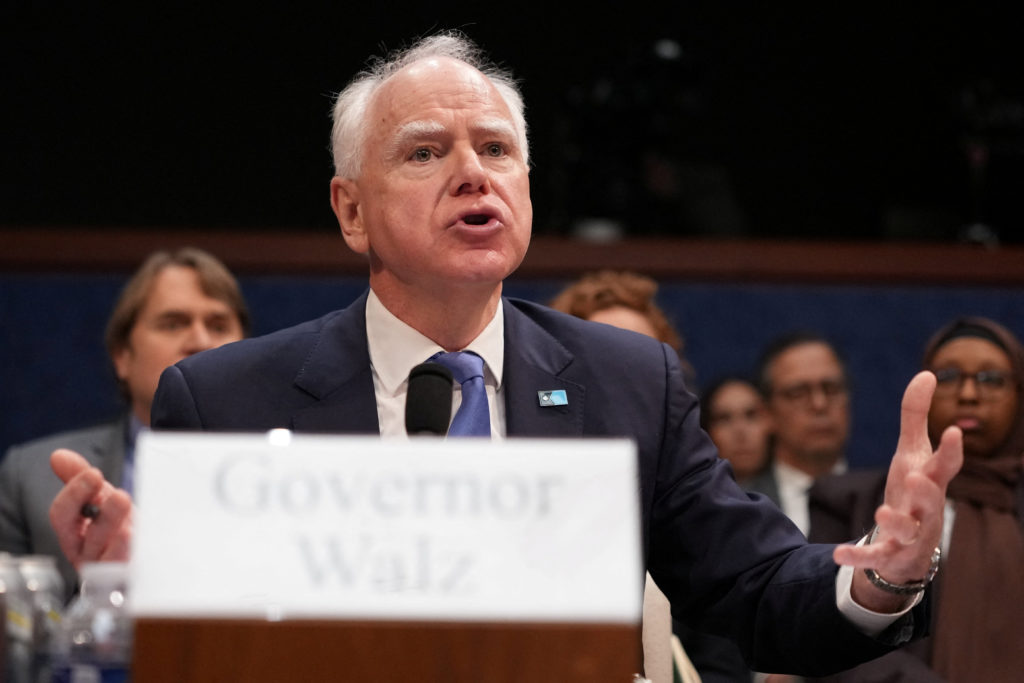
Minnesota’s political and policy discourse is increasingly colored by clashes between federal immigration enforcement priorities and state-level fraud investigations. In a recent testimony, Governor Walz framed a crackdown on immigration as a potential constraint on Minnesota’s ability to pursue elaborate fraud schemes, warning that shifts at the federal level could ripple through state resources, casework, and investigative partnerships. The exchange spotlights a broader tension: national security and border control policies often intersect with state criminal justice operations, regulatory enforcement, and electoral calculations ahead of 2026.
What Just Happened
The governor’s remarks connect two threads: (1) the ongoing federal focus on immigration enforcement and (2) the state’s aggressive stance on fraud prevention and enforcement. By linking the two, the administration positions Minnesota as a case study in how federal policy direction can affect state investigations—especially those requiring cross-agency coordination, data sharing, and federal-trial support. Critics worry such linkage could overstate the independence of state investigations or politicize routine enforcement work, while supporters argue it underscores the necessity of flexibility to adapt to shifting federal priorities.
Electoral Implications for 2026
This dynamic is likely to become a talking point in campaigns as candidates navigate immigration, homeland security, and domestic fraud concerns. For Minnesota voters, the key questions are: Does federal policy place disproportionate burdens on state investigators? Are governors and lawmakers adequately protecting state sovereignty and funding to maintain robust fraud enforcement independent of federal shifts? The messaging choices—emphasizing collaboration with federal partners versus highlighting autonomy—could influence voter perceptions of competence, national-security seriousness, and governance effectiveness ahead of elections.
Public & Party Reactions
Expect a spectrum of responses:
- Law-and-order advocates may frame the issue as evidence of the need for stronger federal-state collaboration and funding for state enforcement.
- Critics could argue that tying fraud investigations to immigration policy risks conflating distinct policy domains and could undermine impartial enforcement.
- Policy experts will likely push for clearer lines of authority, predictable funding, and streamlined information-sharing protocols to ensure investigations aren’t derailed by changing federal priorities.
Both parties will scrutinize the administration’s messaging on how decisions at the federal level affect Minnesota’s ability to detect, deter, and prosecute fraud.
What This Means Moving Forward
The incident highlights a broader strategic question for 2026: how should state leaders shield critical enforcement functions from fluctuations in federal policy? Potential moves include:
- Expanding state-level funding for fraud units, including specialized training and digital forensics capacity.
- Formalizing data-sharing agreements with federal agencies to preserve continuity of investigations regardless of shifts in immigration enforcement priorities.
- Proposing bipartisan legislative language that clearly delineates state authority and ensures baseline resources for fraud investigations even during federal policy realignments.
- Prioritizing communication strategies that reassure the public about the integrity and reliability of state enforcement, while avoiding overreliance on federal support.
Tone and Analysis
The article examines the strategic implications for Minnesota’s governance landscape, emphasizing how immigration and fraud-policy debates intersect with state budgeting, agency coordination, and electoral strategy. The analysis remains focused on the practical consequences for voters, policymakers, and enforcement agencies, offering a grounded view of potential policy paths and political dynamics as 2026 approaches.
Note: This piece presents an analytical snapshot of the evolving relationship between federal immigration policy and state-level fraud enforcement, with attention to how leadership choices at the state level may shape regulatory outcomes, resource allocation, and voter sentiment in the 2026 political environment.