Strategic Overview
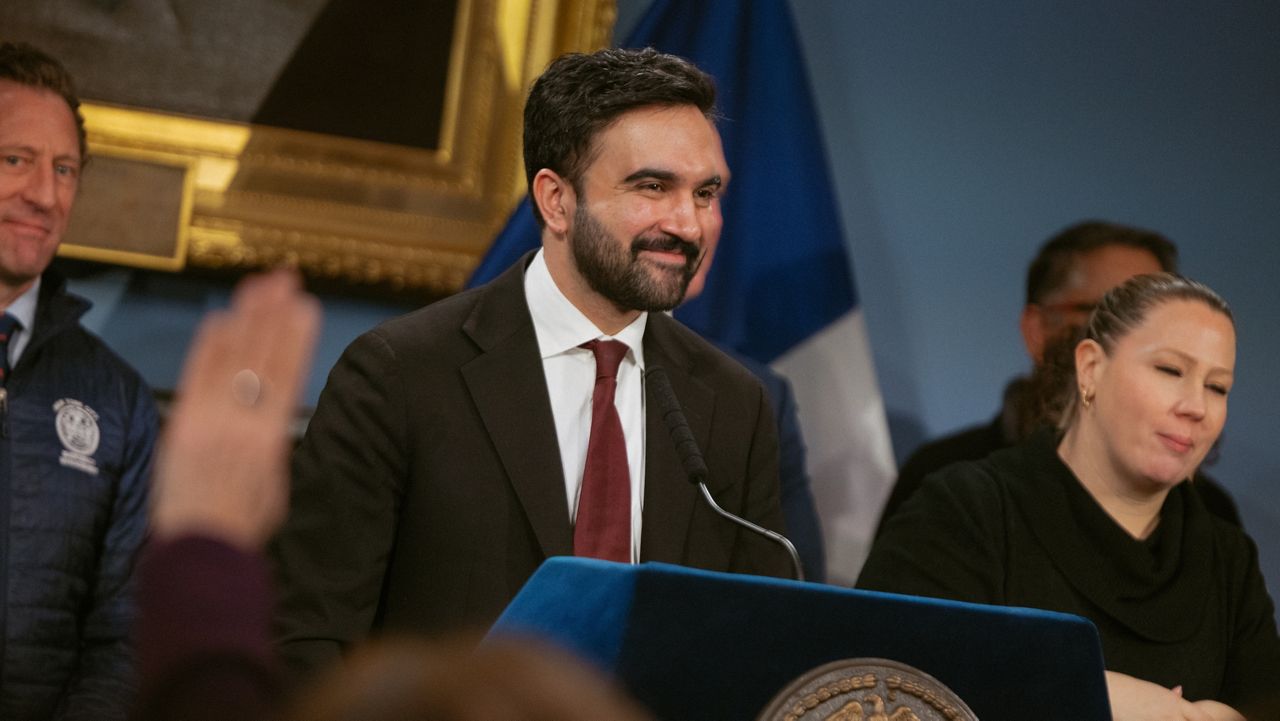
In Sunnyside, a district long associated with ambitious but stalled proposals, Mamdani has re-emerged as a catalyst for strategic governance reform. The site’s long history of proposed developments has framed a broader debate: how to translate century-old ambitions into practical, regulated growth that balances housing, infrastructure, and neighborhood character. As municipal debates intensify ahead of the 2026 cycle, Mamdani’s approach emphasizes procedural clarity, stakeholder coordination, and measurable outcomes that can win broad public support.
What Just Happened
The renewed push centers on a comprehensive plan that aims to convert a historically contentious site into a model of integrated urban development. Proposals now prioritize transparent permitting, environmental safeguards, and community-benefit agreements that tie private investment to public amenities. While specifics vary, the throughline is consistent: a move from aspirational blueprints to action-oriented, regulatorily sound proposals with clear milestones and accountability.
Electoral Implications for 2026
Voters are weighing not just the merits of the plan, but the governance framework it necessitates. The emphasis on regulatory rigor—clear timelines, impact assessments, and equitable community engagement—appeals to fiscally conservative voters seeking predictable public costs and to progressives who demand inclusive outcomes. For candidates, the Sunnyside project becomes a litmus test on practical governance: can a complex, potentially costly initiative be delivered with transparency and measurable benefits? The answer in 2026 may materially shift the local balance of power as campaigns highlight or critique the plan’s feasibility, funding structure, and long-term value to residents.
Public & Party Reactions
Reaction is mixed but increasingly calibrated. Supporters highlight the project’s potential to revitalize an aging corridor, create jobs, and deliver essential public goods. Critics raise concerns about cost, risk allocation, and the pace of implementation. Local factions are pressuring for more granular performance metrics and independent oversight, while opponents emphasize the need to protect affordability and neighborhood identity. The broader party environment—facing national-level policy debates on housing and zoning—makes Sunnyside a proving ground for how well urban reform can be aligned with public sentiment and fiscal prudence.
What This Means Moving Forward
If Mamdani’s approach gains traction, Sunnyside could become a blueprint for reform-driven urban development in similar districts. The plan’s success hinges on how well regulatory processes are implemented: timely environmental reviews, scalable financing, and robust community input. A transparent governance model, with explicit performance indicators and sunset clauses, would help build trust and reduce the political risk that often derails long-range projects. For 2026 strategists, the key takeaway is that feasibility, public accountability, and tangible near-term benefits will drive voter confidence more than expansive rhetoric.
Context and Policy Implications
Beyond Sunnyside, the episode feeds into a broader national conversation about how cities balance growth with livability. The proposals touch on zoning reform, infrastructure investment, and public- private partnerships, all of which are central to current policy dialogues at state and federal levels. The outcome in Sunnyside could influence legislative framing around urban development, pushing for standardized impact assessments, clearer oversight mechanisms, and more transparent funding streams for large-scale projects.
Forward-Looking Analysis
Looking ahead, the central question is whether the regulatory framework can keep pace with ambitious development. Stakeholders should expect continued scrutiny of cost overruns, benefit distribution, and timeline realism. If the project demonstrates disciplined governance and measurable benefits, it could become a reference case for similar districts nationwide, shaping both policy design and electoral messaging in the 2026 political landscape.
Notes for Readers
- This analysis focuses on governance, regulatory design, and electoral dynamics rather than a single plan’s technical specifics.
- The Sunnyside initiative tests how long-standing urban ambitions translate into implementable public policy within a democratic process.
- Local outcomes may influence broader debates on housing, zoning, and responsible development in other municipalities.