Strategic Overview
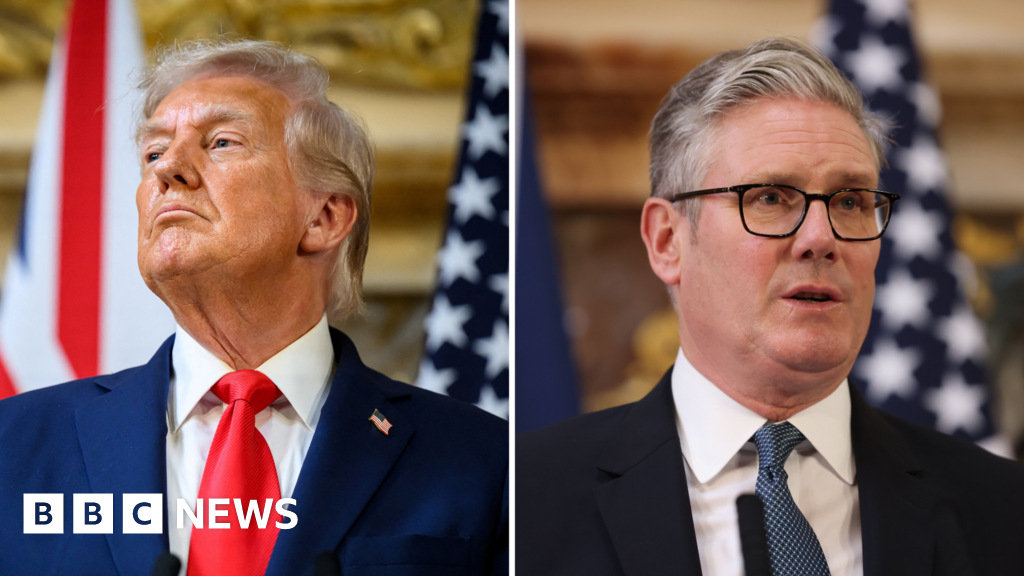
In a moment that blends domestic political theatre with alliance diplomacy, former President Donald Trump targeted Prime Minister Keir Starmer with a provocative “no Churchill” jab while the broader issue of access to UK bases for US-Israel military actions looms. The incident highlights how transatlantic relations can become a political weapon in U.S. campaigns, testing the durability of the US-UK special relationship as both governments navigate security commitments, public opinion, and regulatory friction.
What Just Happened
Trump’s remarks appear as a diagnostic of leadership style and historical legitimacy, using Winston Churchill as a yardstick for steadfast alliance-building. The provocation comes amid a dispute over whether UK bases can support initial U.S.-Israel strikes, an issue that exposes fault lines between sovereignty, military logistics, and political optics. The episode underscores how foreign policy levers can be deployed in U.S. domestic political contests, with potential spillover into UK-US diplomatic messaging and timing.
Electoral Implications for 2026
The exchange matters for 2026 in several ways:
- Voter perception of reliability: Republicans may argue a muscular, unmistakable stance on security commitments, while Democrats risk a perception of alliance volatility.
- Message discipline: Trump’s strategic use of cultural references could galvanize a segment of voters who favor decisive, nationalistic rhetoric, even as it risks alienating moderate and alliance-affirming constituencies.
- Policy clarity vs. noise: The incident foregrounds questions about how future administrations would handle base access, legal authorization, and multilateral coordination—key issues for defense and foreign policy voters.
- UK political resonance: The episode could complicate UK executives’ efforts to balance public anti-imperial sentiment with the enduring need for robust intelligence and logistics partnerships with Washington.
Public & Party Reactions
Within the United States, responses are likely to be polarized along party lines. Supporters of a hardline stance on allies and strategic autonomy may welcome the blunt critique of diplomatic norms. Critics will warn that theatrical rhetoric risks damaging credibility with partners who provide essential basing and intelligence-sharing capabilities. In the UK, lawmakers and diplomats will assess whether the insinuation undercuts a history of close security cooperation, potentially prompting clarifications or reconciliatory messaging to preserve the long-standing alliance framework.
What This Means Moving Forward
- Alliance resilience under stress: The incident signals that the US-UK relationship can absorb political taunts while continuing practical security cooperation, provided both sides compartmentalize domestic rhetoric from operational policy.
- Policy clarity is paramount: Ambiguity around base access creates strategic risk. Clear, transparent channels for decision-making and contingency planning will be crucial to prevent diplomatic ambiguity from feeding adversaries.
- Electoral framing of foreign policy: As 2026 approaches, candidates will test how foreign policy and alliance commitments translate into tangible benefits for American voters—jobs, security, and global standing—without sparking reputational damage to trusted partners.
Forward-Looking Risks
- Diplomatic friction: If domestic political noise repeatedly questions alliance reliability, partner nations may demand firmer assurances or diversify their security partnerships.
- Regulatory and legal complexity: Decisions about base usage require intergovernmental approvals, export controls, and incident-response protocols. Any ambiguity can slow urgent operations and escalate misperceptions.
- Public opinion volatility: The narrative around Churchillian leadership and alliance credibility taps into broader anxieties about national security, immigration, and global leadership, which could swing voters in unpredictable ways.
In-Depth Analysis: Navigating the US-UK Special Relationship in 2026
The United States and United Kingdom have long framed their relationship around shared values, intelligence collaboration, and aligned strategic objectives. Yet in a polarized domestic environment, foreign policy symbols—like Churchill—become vessels for broader political messaging. Trump’s jab, while provocative, is not just about rhetoric; it signals how security commitments will be debated on the campaign trail. For stakeholders in both capitals, the priority is to separate contest-driven soundbites from actionable policy, maintaining operations at the speed of threat assessment while sustaining political legitimacy at home.
Key takeaways for policymakers and observers:
- Maintain operational continuity: Regardless of political rhetoric, ensure that base access discussions are governed by treaty obligations, national security considerations, and clear, published criteria.
- Preserve alliance optics: Public diplomacy should foreground the shared benefits of cooperation, avoiding gratuitous provocations that could undermine trust with long-standing partners.
- Monitor voter sentiment: Analysts should track 2026 polling on foreign policy credibility, defense spending, and alliance commitments to anticipate shifts in party balance and policy mandates.
Conclusion
As the 2026 political landscape unfolds, the durability of the US-UK special relationship will hinge on more than catchy lines or salutes to historical figures. The real test lies in translating alliance promises into dependable security outcomes, transparent decision-making, and a messaging frame that resonates with voters who demand both strength and reliability from their leaders on the global stage.