Strategic Overview
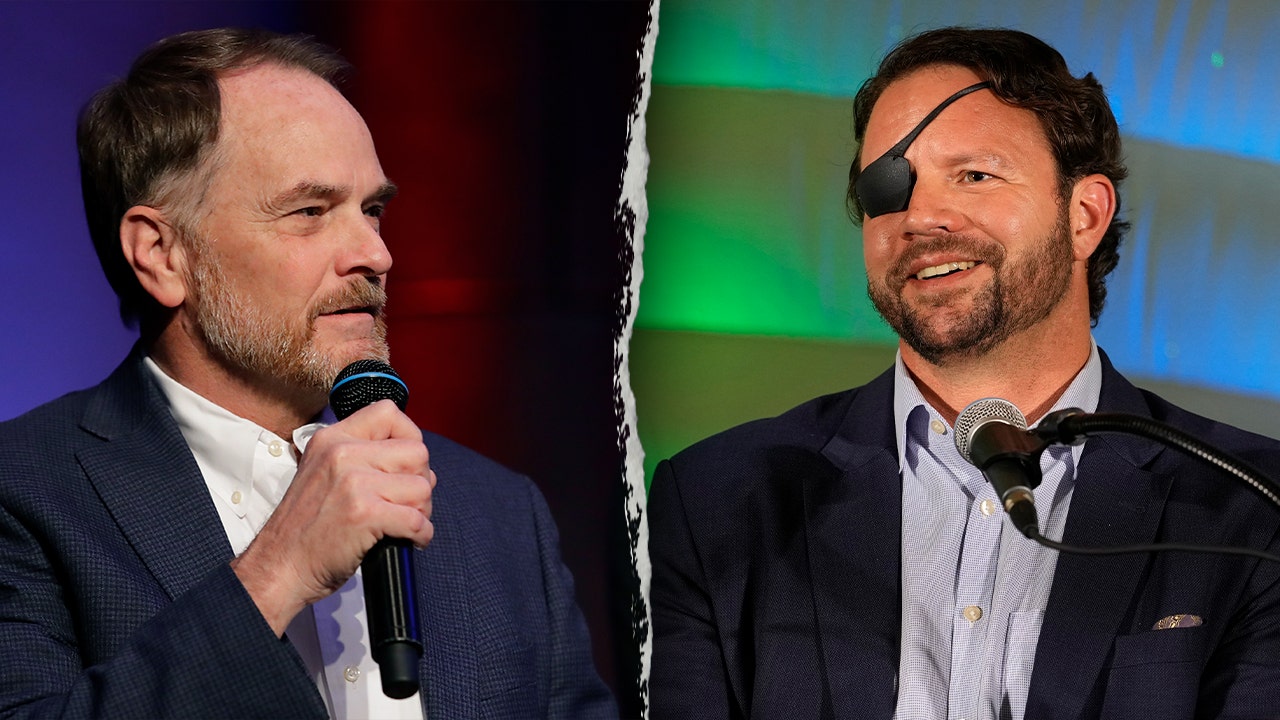
Texas politics just delivered a clear message: fighter-turned-incumbent Dan Crenshaw was unseated by Steve Toth in a Republican primary backed by MAGA-aligned sentiment. The race crystallizes a broader pattern within the GOP as more conservatives claim the mantle of Trump-era political strategy, prioritizing loyalty, media resonance, and aggressive district-level contestation over measured, establishment-oriented governance. For observers, the result signals not only a personal rebuke of Crenshaw’s brand but a strategic test for the party’s willingness to embrace uncompromising messaging at the district level as it positions itself for a competitive 2026 landscape.
What Just Happened
Crenshaw, a four-term congressman known for a national-security profile and media-friendly approach, lost to Steve Toth, a state representative with deep roots in the local GOP base. After years of factional friction within the party, the MAGA wing increasingly supports candidates who foreground toughness on policy, heightened media visibility, and a confrontational stance toward perceived political opponents. The outcome underscores the significance of primary dynamics in shaping who advances to federal races and what kind of governance they are prepared to advocate.
Electoral Implications for 2026
- Candidate quality and messaging: The race demonstrates that ideology-driven campaigns backed by the MAGA faction can outperform incumbents who rely on established reputations. In 2026, this dynamic could advantage challengers who fuse strong district-grounded messaging with national-fanfare topics like border policy, immigration, and regulatory reform.
- Party positioning: With a MAGA-leaning victor, Republican primaries in Texas and elsewhere may prioritize loyalty signals and aggressive policy pledges over traditional cross-partisan appeal. This could compress the spectrum of acceptable policy talk and influence which policy reforms survive intra-party debates.
- Voter base consolidation: The victory may galvanize a more unified GOP base around a sharper, more confrontational narrative. For strategists, turnout mechanics—particularly among primary voters who are highly engaged or aligned with national leadership narratives—become more critical in 2026.
Public & Party Reactions
Within party circles, the result is a confidence booster for the MAGA faction and a reminder that primary dynamics can upend even well-known incumbents. Critics may frame the outcome as evidence of increasing polarization and risk to moderate governance. Analysts will watch how fellow lawmakers calibrate their public positions, campaign finance strategies, and district-focused policy proposals in response to a shifting internal balance of power.
What This Means Moving Forward
- Governance implications: If MAGA-aligned leadership gains influence in Congress, expect policy pushes to emphasize stricter immigration controls, aggressive oversight rhetoric, and a preference for bold, polarizing messaging over incremental reform.
- Regulatory and economic implications: A stronger MAGA voice could shape regulatory debates on energy, trade, and domestic manufacturing. Voters may see more explicit commitments to deregulation or expedited permitting in certain sectors, paired with relentless messaging around national sovereignty and economic nationalism.
- Electoral strategy for Republicans: Republicans seeking to win competitive districts will need to harmonize district-level enthusiasm with a broader, resonant policy platform that avoids alienating swing voters. The balance between principled conservatism and pragmatic governance will be tested in contested primaries and general elections.
Policy Lens: Beyond the Primary
The rise of a MAGA-backed candidate in a high-profile Texas district highlights ongoing tensions over strategy and governance within the GOP. As campaigns converge on issues of border policy, border-state economics, and national security messaging, 2026 could feature a sharpened debate about what successful Republican governance looks like in a changing political environment. Stakeholders—from donors to policy advocates and grassroots organizers—will weigh whether the path to electoral success lies in presenting a fierce, united front or in demonstrating a capacity for pragmatic policy execution that can appeal to a broader electorate.
Conclusion
The Crenshaw-Toth result is more than a single primary outcome; it’s a bellwether for GOP dynamics in 2026. A MAGA-backed victory reinforces the durability of a more combative, loyalty-first strain within the party and suggests that primary battles will continue to shape who sits in Congress and how they approach governance. For voters, this means watching how candidates translate bold campaign rhetoric into concrete policy plans, governance decisions, and accountability to the people they represent.