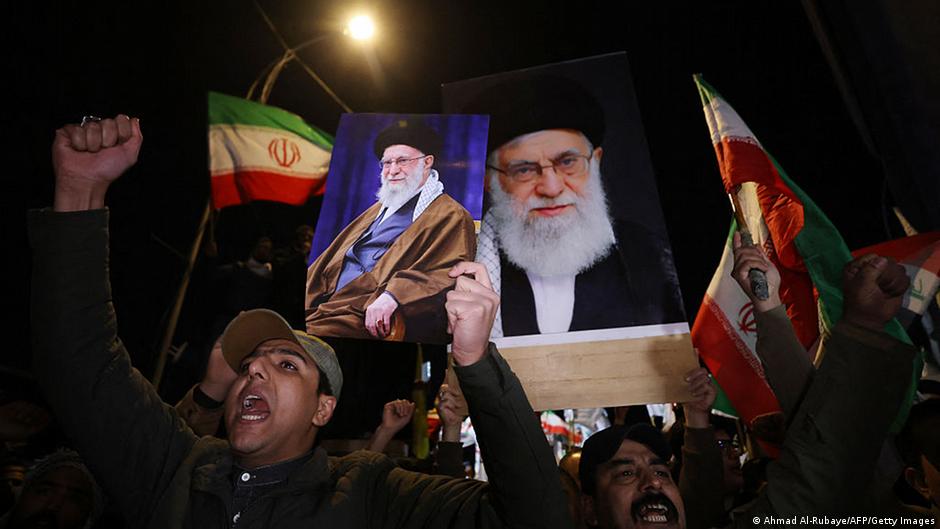
Situation Brief
Iraq finds itself uniquely positioned in the current regional conflict: it is the only Middle Eastern country targeted by both sides. The fighting’s collateral effects threaten to influence the country’s political trajectory, social cohesion, and fiscal stability. Observers warn that the war’s reach could alter the timing and composition of Iraq’s next government, intensify intercommunal tensions, and squeeze public finances, with direct consequences for civil servants’ salaries and essential public services.
Strategic Stakes
The central challenge for Iraq is balancing external security pressures with internal political reconstruction. The drumbeat of violence and external meddling compounds the difficulty of forming a durable government coalition, especially at a time when regional powers are weighing their influence inside Iraq’s political landscape. A protracted spillover could erode trust in institutions, complicate reform efforts, and increase the allure of hard-line voices on all sides.
Impact on Governance and Public Finances
The looming risk is twofold: political instability could delay or derail the formation of a credible government, while ongoing conflict erodes the revenue base and fiscal space needed to pay civil servants. Sectors most sensitive to budget volatility—education, health, and public administration—face the prospect of delayed payrolls or constrained services. In a society where public sector wages anchor household incomes, disruptions to salaries could amplify unrest and undermine confidence in state capacity.
Global Power Dynamics and Regional Repercussions
Iraq’s predicament is embedded in broader regional power dynamics. External actors may recalibrate support, leverage, or conditionalities tied to security arrangements, energy exports, and governance reforms. The convergence of internal fragility with external contestation raises questions about the resilience of Iraq’s political institutions and the credibility of promised reforms. For neighboring states and global powers, Iraq’s stability is a litmus test for how external influence translates into durable governance outcomes.
What This Means Moving Forward
- Short-term: Expect heightened security operations, political negotiations, and cautious budgeting. International actors may push for quick stabilization pacts, while domestic actors push back to protect prerogatives and service delivery.
- Medium-term: A credible government coalition will be essential to navigating post-crisis reconstruction, reform of state salaries to preserve civil service integrity, and rebuilding public trust. Economic stabilization measures will be critical to prevent a cash-flow squeeze from destabilizing essential services.
- Long-term: The legitimacy of Iraq’s institutions will depend on transparent budgeting, inclusive governance, and resilient security arrangements that reduce dependence on external patrons. The ability to deliver basic public goods—paying civil servants on time, safeguarding electricity and healthcare—will shape public confidence and regional perception of Iraq’s path to stability.
Public and Global Reactions
Analysts emphasize the interconnectedness of Iraq’s domestic fate with regional diplomacy and international support. Domestic voices call for a governance blueprint that minimizes factions and prioritizes predictable fiscal policy. Western and regional partners are likely to tie aid and investment to reform milestones, reinforcing the need for a credible, inclusive political process.
Key Takeaways for 2026
- Iraq’s political timeline could hinge on how quickly a functional government emerges amid security pressures.
- Public service salaries and service delivery will act as early barometers of state legitimacy.
- The spillover from the wider conflict will continue shaping Iraq’s policy choices on security, economic reform, and foreign relations.
This analysis highlights how external conflict reverberates through Iraq’s internal politics and public finance, warning that stabilization hinges on credible governance, fiscal predictability, and inclusive reform. Policymakers, investors, and regional partners should monitor government formation progress, budgetary transparency, and security stabilization efforts to gauge Iraq’s trajectory in 2026.