Strategic Overview
In the wake of federal law enforcement actions in Minneapolis that left two U.S. citizens dead, Democratic lawmakers are scrutinizing Republican governor Kristi Noem over her public characterization of the incident’s aftermath as domestic terrorism. The confrontation spotlights how rhetoric around crime and national security can shape electoral messaging, influence party dynamics, and test the boundaries of executive responsibility in an increasingly polarized political environment ahead of the 2026 cycle.
What Just Happened
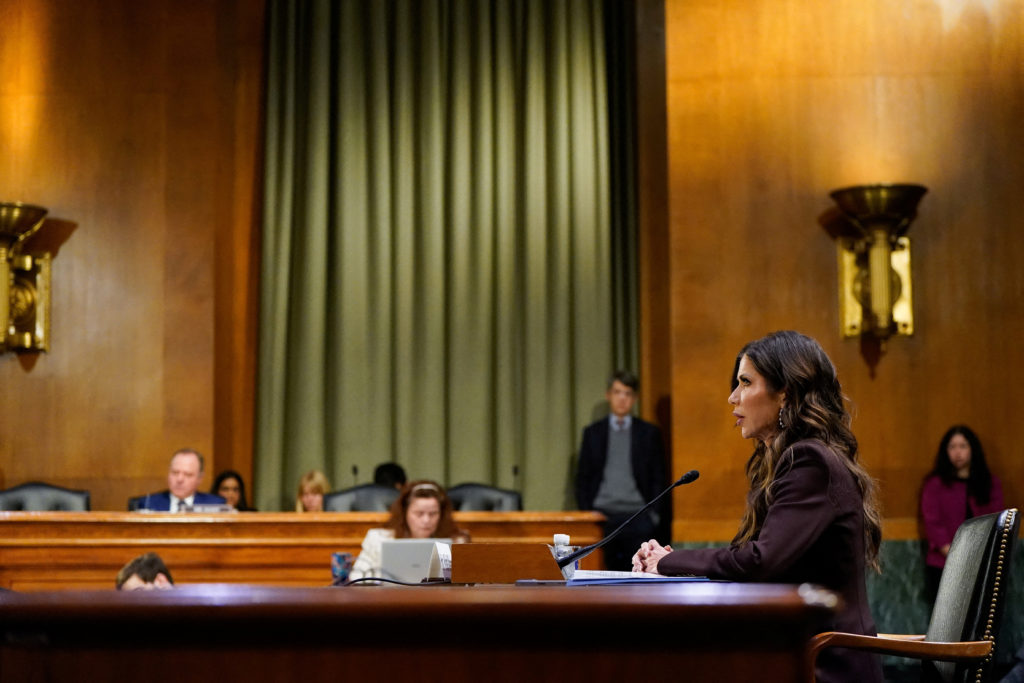
Sen. Adam Schiff pressed Gov. Noem to justify her assertions that the Minneapolis events reflect domestic terrorism. The exchange follows Noem’s public statements that framed the incident within a broader threat landscape, a stance that critics say could conflate legitimate law enforcement actions with terrorism threats. Schiff’s questions aimed to compel accountability for rhetoric that could impact public perception, mobilize a political base, and influence policy debates around crime, extremism, and federal oversight.
Electoral Implications for 2026
- Voter Framing: The exchange highlights how terms like “domestic terrorism” can be used as political cudgels to rally supporters and cast opponents as soft on crime. For Noem and like-minded Republicans, the rhetoric reinforces a hardline stance on crime and “strong leadership,” which may energize conservative turnout in midterm-to-presidential canvassing.
- Cross-Party Appeals: Democrats are likely to seize the moment to argue for disciplined, evidence-based language when addressing sensitive incidents involving federal agents, stressing the need for accountability and precision in labeling threats.
- Policy Using Tension: The dispute could influence how lawmakers frame oversight provisions, federal engagement rules, and the balance between national security rhetoric and civil liberties protections in upcoming hearings and legislation.
Public & Party Reactions
- Republican Messaging: Noem’s allies may defend the use of robust language to signal seriousness about domestic threats, arguing that assertive rhetoric is necessary to deter extremism and reassure constituents.
- Democratic Counterpoints: Schiff and fellow Democrats likely push for careful language, emphasizing constitutional norms, due process, and the dangers of inflaming violence through inflammatory terms.
- Media and Public Opinion: The incident will feed into broader narratives about political polarization, with commentators weighing the line between legitimate criticism of federal action and sensationalized framing that could polarize communities further.
What This Means Moving Forward
- Oversight Debates: Expect renewed focus on how governors and other state leaders characterize federal actions, along with calls for clearer standards on labeling threats and coordinating with federal authorities.
- Tone and Accountability: The episode could set a precedent for cross-chamber accountability conversations, as lawmakers seek to determine appropriate accountability mechanisms for rhetoric around security and violence.
- 2026 Campaign Terrain: The incident adds to a broader pattern in which crime, terrorism rhetoric, and federal-state relations become prime political fault lines. Candidates may be compelled to articulate precise positions on law enforcement oversight, civil liberties, and the balance of power between state authorities and federal agencies.
Context and Analysis
The Minneapolis case, involving the deaths of Renee Good and Alex Preti, has already become a focal point for debates over how political leaders discuss sensitive incidents involving federal agents. In a political landscape where safety, security, and constitutional rights are hotly debated topics, the rhetoric surrounding these events can influence legislative priorities and voter perceptions. Schiff’s challenge to Noem underscores a central question of 2026: how sharply should political leaders mobilize on issues of domestic threat, and where is the line between principled leadership and inflammatory rhetoric?
Forward-Looking Considerations
- Legislative Track: Watch for committee inquiries into the use of language in public statements by high-ranking officials, and any moves to establish clearer guidelines for official rhetoric around federal operations.
- Civic Dialogue: Expect more efforts from moderating voices to encourage precise, evidence-based discourse on crime, terrorism, and government action to prevent further polarization.
- Electoral Strategy: Candidates will calibrate messages on crime, security, and government transparency to appeal to diverse constituencies, potentially highlighting experiences with federal-state collaboration or friction.
In summary, the Schiff-Noem exchange crystallizes how 2026 political contests are being shaped by the strategic use of security rhetoric. As lawmakers test boundaries of accountability and language, the incident serves as a barometer for the era’s approach to domestic terrorism discourse, federal oversight, and the quest for electoral advantage in a deeply divided political landscape.