Strategic Overview
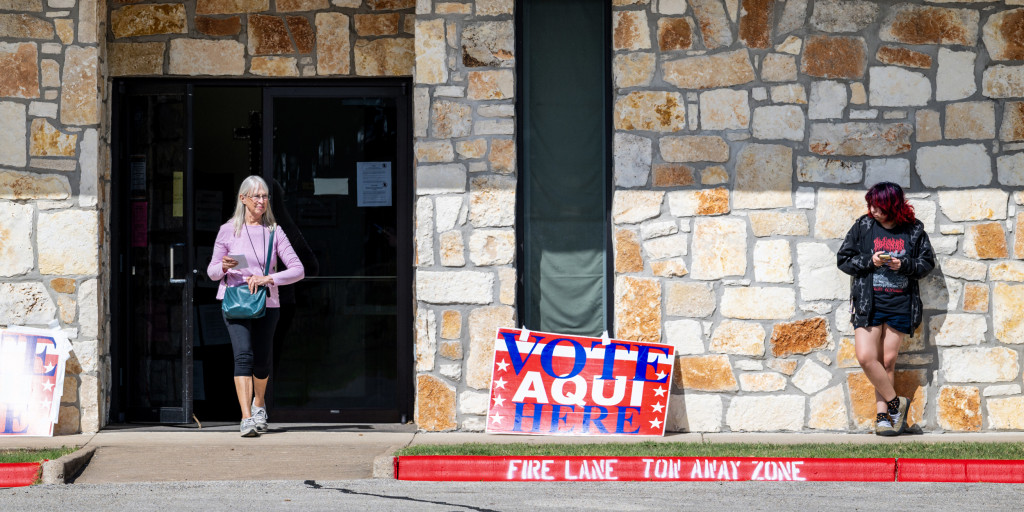
As the first primary day of the year approaches, the 2026 political terrain is increasingly defined by how voters perceive leadership, policy clarity, and accountability. The spotlight this week isn’t just on polling numbers; it’s on how parties craft messages that translate into real electoral momentum. A notable throughline is the mixed messaging around foreign policy, highlighted by the Trump administration’s evolving explanations for Iran-related actions. This disconnect between official narratives and public expectations has potential to shape both primary outcomes and the broader general election landscape.
What Just Happened
Early indicators show intensified campaign activity across key states, with candidates testing distinct visions on economy, border policy, energy independence, and national security. In parallel, public discourse has sharpened around presidential accountability and the credibility of official policy rationales. The Iran-related explanations from the prior administration have sparked renewed scrutiny of how foreign policy decisions are communicated to the electorate, emphasizing the need for clarity, consistency, and factual grounding in campaign messaging.
Electoral Implications for 2026
- Messaging discipline: Voters expect coherent narratives that connect foreign policy posture to domestic concerns like jobs, inflation, and public safety. Campaigns that offer transparent, evidence-based explanations stand to gain trust and turnout.
- Trust and accountability: The ongoing discussion about how decisions abroad were framed domestically could become a litmus test for candidate reliability and leadership integrity, with potential to influence precinct-level turnout.
- Strategic coalitions: Parties may recalibrate issue prioritization, leaning into economic resilience and energy security while balancing foreign policy credibility. Cross-pressured voters—those who care about both wallets and international stance—will be crucial swing blocs.
- Primary dynamics: Differing stances on foreign policy and domestic governance could sharpen intra-party competition, boosting turnout among committed bases while potentially alienating more moderate voters if messaging appears inconsistent.
Public & Party Reactions
- Republicans: The debate over Iran policy explanations intersects with broader questions about strategic consistency and accountability. Candidates who present a unified, evidence-backed foreign policy narrative while addressing domestic priorities are likely to attract more decisive support.
- Democrats: The focus on clear accountability and policy coherence will resonate with voters seeking stability and pragmatic governance. Messaging that ties foreign policy outcomes to economic and national security improvements could energize turnout among aligned base voters and independents skeptical of hybrided postures.
- Independent and swing voters: This cohort is particularly sensitive to credibility and practical impact. Campaigns that translate foreign policy discussions into tangible benefits—security assurances, lower energy costs, and economic growth—could see favorable response.
What This Means Moving Forward
- Governance clarity matters: Expect campaigns to foreground memoranda of policy consistency, with equal emphasis on domestic outcomes and foreign policy logic. Short, transparent explanations for key decisions will be used to counter fatigue and skepticism.
- Economic articulation strengthens leverage: Voters gravitate toward messaging that ties national security decisions to daily living standards. Leaders who articulate a concrete plan for energy independence, manufacturing revival, and cost-of-living relief will gain an electoral edge.
- Information hygiene is critical: With continuous scrutiny of past administrations’ explanations, fact-based communication and rapid responsiveness to misinformation will be essential. Campaigns that invest in credible, accessible policy communication will outpace rivals in trust metrics.
Context
The 2026 midterm cycle is shaping up as a referendum on leadership reliability and practical governance. As candidates articulate visions for a more resilient economy and safer, more transparent foreign policy, the electorate will weigh not only policy proposals but the credibility of the explanations behind them. The handling of past and present foreign policy narratives, including Iran-related decisions, will likely influence both primary results and the broader battle for congressional control.
Notes for readers
- This analysis focuses on the strategic implications for elections and governance, interpreting the intersection of foreign policy messaging with domestic policy priorities.
- The landscape remains fluid: shifting voter concerns, fresh policy details, and evolving candidate coalitions will continuously reshape the dynamics described above.